When people switch to a plant-based diet, they often expect their cholesterol to drop automatically—and for many, it does. But for others, cholesterol levels may stay stubbornly high, even on a vegan or vegetarian lifestyle. This can be confusing and frustrating, especially when you're doing everything “right.”
The good news? There are several evidence-based, natural approaches you can take to help reduce LDL (“bad”) cholesterol, support overall heart health, and lower your risk of cardiovascular disease—all without animal products or statins. Whether you’re fully plant-based or just leaning into more whole-food meals, there are powerful tools available to help you take control of your cholesterol naturally.
What Is Cholesterol?
Cholesterol is a waxy, fat-like substance essential for various bodily functions. It's a type of lipid that your liver produces, and it's also found in certain foods. Cholesterol is vital for:
Building cell membranes: It provides structural integrity and fluidity to cell walls.
Producing hormones: It's a precursor for steroid hormones like estrogen and testosterone.
Synthesising vitamin D: Cholesterol is converted into vitamin D when your skin is exposed to sunlight.
Creating bile acids: These acids help digest fats in the intestine.
Types of Cholesterol:
Cholesterol travels through the bloodstream in particles called lipoproteins. The two main types are:
Low-Density Lipoprotein (LDL): Often termed "bad" cholesterol, LDL carries cholesterol to tissues. High levels can lead to plaque buildup in arteries, increasing the risk of heart disease and stroke.
High-Density Lipoprotein (HDL): Known as "good" cholesterol, HDL transports cholesterol away from the arteries to the liver for removal. Higher HDL levels are associated with a lower risk of heart disease.
Maintaining a balance between LDL and HDL is crucial for cardiovascular health.
What Are Triglycerides?
Triglycerides are the most common type of fat in the body. They store excess energy from your diet and are used for energy between meals. When you consume more calories than you burn, especially from high-carbohydrate foods, your body converts the excess into triglycerides.
High triglyceride levels can contribute to the hardening of arteries or thickening of artery walls (atherosclerosis), increasing the risk of stroke, heart attack, and heart disease.
Why Do Cholesterol and Triglyceride Levels Matter?
Elevated levels of LDL cholesterol and triglycerides, along with low levels of HDL cholesterol, can lead to the development of fatty deposits in blood vessels. Over time, these deposits grow, making it difficult for enough blood to flow through your arteries. This can result in:
Heart attacks
Strokes
Peripheral artery disease
Monitoring and managing these lipid levels are essential for reducing the risk of cardiovascular diseases.
Why Can Cholesterol Still Be High on a Plant-Based Diet?
Switching to a plant-based diet is one of the best things you can do for your heart. But if your cholesterol levels haven’t dropped as expected, you're not alone. There are a few key reasons why cholesterol can remain elevated, even when you’ve cut out meat, dairy, and eggs.
Genetics and Family History
Some people are genetically predisposed to produce more cholesterol, a condition known as familial hypercholesterolemia. Even with a very clean diet, the liver may naturally produce more LDL (“bad”) cholesterol than average. In these cases, diet helps—but may not be enough alone.
Too Many Processed Plant Foods
A plant-based label doesn't always mean healthy. Diets high in refined grains, sugary snacks, vegan fast food, and ultra-processed oils can negatively impact lipid levels. These foods may raise triglycerides and LDL, while lowering HDL (“good”) cholesterol.
Low Fiber Intake
Fiber, especially soluble fiber, is essential for binding to cholesterol in the digestive system and removing it from the body. If you're not eating enough whole plant foods—like oats, legumes, and flaxseed—you may be missing this natural cholesterol-lowering effect.
Lack of Omega-3s
Plant-based diets can sometimes fall short in anti-inflammatory omega-3 fatty acids, which play a role in balancing cholesterol and supporting heart health. Flaxseed, chia, walnuts, and algae-based DHA/EPA supplements can help close the gap.
Thyroid and Hormonal Issues
Underactive thyroid (hypothyroidism) and other hormonal imbalances can raise cholesterol levels, regardless of your diet. These should be ruled out with blood work if your cholesterol stays high despite healthy eating.
Not Enough Physical Activity
Even if you eat perfectly, a sedentary lifestyle can contribute to elevated cholesterol levels. Exercise helps in several ways:
It raises HDL ("good") cholesterol, which helps remove excess LDL from the bloodstream
It can lower LDL ("bad") cholesterol and triglycerides
It improves circulation, insulin sensitivity, and overall cardiovascular health
You don’t need to run marathons—brisk walking, cycling, swimming, or dancing for 30 minutes a day can make a real difference. Combining movement with your plant-based diet creates a powerful foundation for heart health.
Managing Cholesterol and Triglycerides on a Plant-Based Diet
Adopting a plant-based diet can be effective in managing cholesterol and triglyceride levels. Plant-based diets are typically low in saturated fat and high in fiber, which can help:
Lower LDL cholesterol: Fiber binds to cholesterol in the digestive system, aiding its removal.
Reduce triglycerides: Limiting added sugars and refined carbohydrates can decrease triglyceride levels.
Increase HDL cholesterol: Healthy fats from sources like nuts, seeds, and avocados can boost HDL levels.
Incorporating whole grains, legumes, fruits, vegetables, nuts, and seeds while minimising processed foods and added sugars can promote a healthier lipid profile.
Top Plant-Based Foods That Help Lower Cholesterol
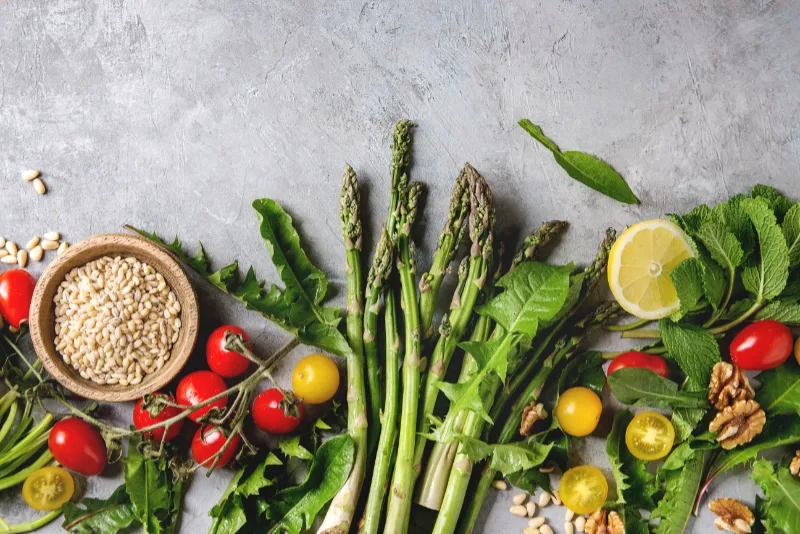
Certain plant-based foods are especially powerful when it comes to lowering cholesterol—particularly LDL (“bad”) cholesterol. These natural foods work in different ways: some are rich in soluble fiber that traps cholesterol, others contain healthy fats that support balance, and some even block absorption in the gut.
Here are some of the most effective cholesterol-lowering foods:
Oats and Barley: Both are rich in beta-glucan, a type of soluble fiber that binds to cholesterol in the digestive system and helps remove it from the body. Eating just 3 grams of beta-glucan per day (roughly a bowl of porridge) can reduce LDL cholesterol by 5–10%.
Nuts and Seeds: Walnuts, almonds, flaxseeds, chia seeds, and sunflower seeds are loaded with healthy fats, fiber, and plant sterols. They can help reduce LDL while boosting HDL. Aim for a small handful (30g) a day.
Legumes (Beans, Lentils, Chickpeas, Peas): Packed with soluble fiber and plant protein, legumes are one of the best foods for cholesterol. Regular intake is linked to lower total and LDL cholesterol, especially when used to replace processed carbs or animal protein.
Vegetables (Especially Leafy Greens): Greens like kale, spinach, and collard greens contain compounds like lutein and fiber that help protect the arteries and lower LDL. The more colourful your plate, the better.
Fruits (Especially Apples, Berries, and Citrus): These fruits are rich in pectin, a type of soluble fiber known to reduce cholesterol. Berries are also high in polyphenols that reduce inflammation and support heart health.
Olive Oil and Avocado: Unrefined oils like extra virgin olive oil and whole-food fats like avocado provide monounsaturated fats, which help lower LDL and raise HDL when used to replace saturated fats or processed oils.
Whole Grains (Quinoa, Brown Rice, Buckwheat): Whole grains are fiber-rich and provide slow-burning energy without the insulin spikes of refined carbs. Replacing white bread and rice with whole grains can support overall cholesterol balance.
Flaxseed and Chia Seeds: These little seeds are high in ALA (a plant-based omega-3 fatty acid) and soluble fiber. Just 1–2 tablespoons of ground flaxseed daily has been shown to lower LDL cholesterol significantly.
Herbal and Alternative Treatments for High Cholesterol
In addition to a plant-based diet and healthy lifestyle, many people look to natural supplements and herbal remedies to help manage their cholesterol levels—especially if they’re trying to avoid statins or want to support their body more holistically.
Here are some of the most researched and commonly used alternative treatments for lowering cholesterol:
Red Yeast Rice
Red Yeast Rice
Red yeast rice is a traditional Chinese remedy made by fermenting rice with a type of yeast (Monascus purpureus). It naturally contains monacolin K, a compound chemically identical to the active ingredient in the statin drug lovastatin.
How it works: Inhibits cholesterol production in the liver
Evidence: Several clinical trials show it can reduce LDL cholesterol by 15–25%
Caution: May cause similar side effects to statins; best taken under medical supervision
- Effectiveness: Red yeast rice contains monacolin K, which is chemically identical to the active ingredient in some statin medications.
- Research: Red Yeast Rice for Hyperlipidemia: A Meta-Analysis of 15 High-Quality Randomized Controlled Trials
A meta-analysis of 15 high-quality randomized controlled trials found that RYR supplementation significantly reduced total cholesterol, LDL-C, triglycerides, and apolipoprotein B levels, and increased HDL-C in patients with hyperlipidemia .
Garlic Extract
Garlic Extract
Garlic has long been used for heart health. Its active compound, allicin, may help lower cholesterol and blood pressure.
How it works: Reduces total and LDL cholesterol by affecting liver metabolism
Evidence: Some studies show modest reductions (5–10%) in LDL when taken consistently
Tip: Aged garlic extract is often better tolerated and more effective than raw garlic
- Effectiveness: Garlic has been studied for its potential lipid-lowering effects.
- Research: Effect of garlic on serum lipids: an updated meta-analysis
A meta-analysis indicated that garlic supplementation reduced total cholesterol by approximately 17 mg/dL and LDL cholesterol by about 9 mg/dL in individuals with elevated cholesterol levels .
Artichoke Leaf Extract
Artichoke Leaf Extract
Artichoke extract may support liver function and bile production, helping the body clear excess cholesterol.
How it works: Increases bile secretion and reduces cholesterol synthesis
Evidence: Some trials show 10–20% reductions in total cholesterol
Bonus: Also supports digestion and liver health
- Effectiveness: Artichoke leaf extract has been associated with lipid-lowering properties.
- Research: Beneficial effects of artichoke leaf extract supplementation on increasing HDL-cholesterol in subjects with primary mild hypercholesterolaemia: a double-blind, randomized, placebo-controlled trial
A systematic review and meta-analysis concluded that ALE supplementation led to significant reductions in total cholesterol, LDL-C, and triglycerides
Plant Sterols and Stanols
Plant Sterols and Stanols
These naturally occurring compounds in plants resemble cholesterol and block its absorption in the digestive tract.
How it works: Compete with dietary cholesterol, reducing its uptake
Evidence: Doses of 2 grams/day can lower LDL by up to 10%
Source: Found in fortified foods and some supplements
- Effectiveness: Plant sterols and stanols can reduce cholesterol absorption in the intestines.
- Research: Plant-based sterols and stanols in health & disease: “Consequences of human development in a plant-based environment?”
A meta-analysis of 41 trials demonstrated that daily intake of 2 grams of plant sterols or stanols reduced LDL cholesterol by approximately 10%
Berberine
Berberine
An alkaloid found in herbs like barberry and goldenseal, berberine has gained attention for its cholesterol- and glucose-lowering effects.
How it works: Reduces cholesterol synthesis and improves insulin sensitivity
Evidence: May lower LDL by 15–20%, and also reduce triglycerides
Note: Often used in combination with other nutrients like red yeast rice
- Effectiveness: Berberine is a plant alkaloid with lipid-lowering properties.
- Research: Berberine, a plant alkaloid with lipid- and glucose-lowering properties: From in vitro evidence to clinical studies
Clinical studies have shown that berberine supplementation can reduce LDL cholesterol by 20–25%, triglycerides by 25–35%, and total cholesterol by 29%
Soluble Fiber Supplements (e.g. Psyllium Husk)
Soluble Fiber Supplements (e.g. Psyllium Husk)
Psyllium is a gentle, natural fiber supplement that helps bind and eliminate cholesterol from the body.
How it works: Traps bile acids and promotes their excretion
Evidence: Taking 10–12 g/day can lower LDL by 7–15%
Tip: Best taken with plenty of water and away from medications
- Effectiveness: Psyllium is a soluble fiber that can aid in lowering cholesterol levels.
- Research: Effect of psyllium (Plantago ovata) fiber on LDL cholesterol and alternative lipid targets, non-HDL cholesterol and apolipoprotein B: a systematic review and meta-analysis of randomized controlled trials
A meta-analysis of 28 trials found that psyllium supplementation at a median dose of approximately 10.2 grams per day significantly reduced LDL cholesterol by 0.33 mmol/L (about 13 mg/dL)
Green Tea Extract (EGCG)
Green Tea Extract (EGCG)
Green tea contains catechins like EGCG, which may help inhibit cholesterol absorption and promote fat metabolism.
How it works: Antioxidant-rich, supports cardiovascular and metabolic health
Evidence: Modest reductions in LDL and total cholesterol in regular users
- Effectiveness: Green tea catechins, particularly EGCG, have been studied for their lipid-lowering effects.
- Research: Effects of green tea catechin extract on serum lipids in postmenopausal women: a randomized, placebo-controlled clinical trial
A meta-analysis indicated that green tea extract supplementation significantly reduced total cholesterol and LDL-C concentrations, especially in individuals with elevated baseline cholesterol levels .
Konjac Root (Glucomannan)
Konjac Root (Glucomannan)
Konjac is a starchy root vegetable used in traditional Asian cooking. Its fiber, glucomannan, is a powerful water-soluble fiber that can help reduce cholesterol and support digestive health.
- How it works: Forms a gel in the gut that binds to cholesterol and bile acids, reducing absorption and promoting elimination.
- Evidence: Clinical studies show that 3 grams per day of glucomannan can significantly reduce LDL and total cholesterol, as well as support weight and blood sugar management.
- Effectiveness: Glucomannan, the soluble fiber derived from konjac root, has been shown to reduce cholesterol levels by limiting absorption in the digestive tract and increasing excretion.
- Research: The pancreas responds to remote damage and systemic stress by secretion of the pancreatic secretory proteins PSP/regI and PAP/regIII
A 2017 meta-analysis of 14 randomised controlled trials found that 3 grams per day of glucomannan significantly reduced LDL cholesterol, total cholesterol, and triglycerides in both healthy and hyperlipidemic individuals.
Safety Note
While these natural treatments are generally safe, some (like red yeast rice and berberine) can interact with medications or mimic drug effects. Always consult with a Doctor before adding new supplements, especially if you’re taking medication or managing an existing condition.
Notes
Managing Cholesterol On A Plant-Based Diet – Everything You Need To Know