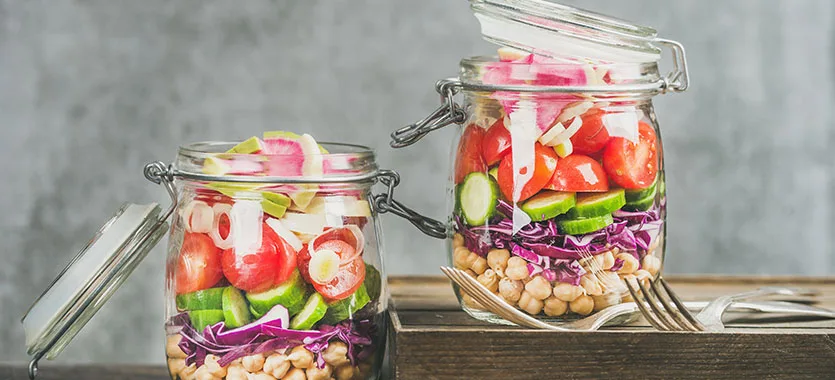
Choose one meal you already enjoy and try a plant-based version. It could be a curry with chickpeas, a lentil pasta sauce or a lunch you can make ahead. That gives you something useful to cook while you get familiar with new ingredients.
My advice is small changes at a time, or one day a week. Decide what you want to try, put the ingredients on your shopping list and make enough for another meal if that helps with a busy week. You don't need a whole new cupboard, expensive organic ingredients or a perfect meal plan to begin.
There is some nutrition to plan alongside the cooking. If you're moving to a vegan diet, arrange a reliable B12 source through fortified foods or a suitable supplement from the start. [1] The steps below will help you choose your first meals, shop for them and work through the questions that come up.
Do I have to change everything at once?
You can begin with a plant-based lunch, a few dinners each week or a switch to entirely vegan eating. Plant-based usually describes meals centred on plant foods, with few or no animal ingredients. A vegan diet excludes animal products, including eggs and dairy. [1]
If you're not ready to change a whole meal, try replacing half the mince in a familiar sauce with lentils. Or choose a plant-based lunch one day a week. You can learn how an ingredient cooks and decide what you enjoy before changing something else.
If you're removing animal foods altogether, arrange your reliable B12 source from the beginning. The British Dietetic Association identifies fortified foods and supplements as the reliable vegan sources. [1] A gradual approach to cooking can still include a clear nutrition plan.
What should I cook first?
I would begin with a meal you already enjoy. Keep its familiar flavours while trying a different main ingredient. For lunch or dinner, think about a starchy food such as rice or potatoes, a protein food and vegetables. Balance is considered over a day or week, so every plate doesn't have to look identical. [2]
| A meal you know | An option to try | A useful first step |
|---|---|---|
| Pasta with mince sauce | Lentils with tomatoes and mushrooms | Choose a recipe for the lentil variety you buy |
| Chicken curry | Chickpea and vegetable curry | Use a seasoning style you already enjoy |
| Cheese sandwich | Mashed chickpeas or a bean spread | Add favourite salad ingredients and herbs |
| Meat stir-fry | Tofu with vegetables and noodles | Follow a recipe for firm tofu |
Pick the portion that suits your appetite. If a vegetable dish leaves you hungry, look at what else is in the meal. Rice, bread or potatoes and a serving of beans or tofu might be the additions you want. These are cooking suggestions, with no calorie target or promise of a complete day's nutrition.
Would a food checklist help?
Dr Greger's Daily Dozen may be useful if you like prompts. He describes how:
"I made a checklist, which evolved into the Daily Dozen"
His checklist includes beans, wholegrains, fruit, vegetables, nuts and seeds, alongside other daily habits. [11] You could use it to choose an addition to a familiar meal, such as berries with breakfast or beans in soup. It is his planning guidance, rather than a personalised prescription or a requirement to tick every box immediately.
What should go on my first shopping list?
I choose organic because growing methods matter to me, but you can make these meals with non-organic ingredients. Buy what fits your budget. If you're curious about soil and regenerative farming too, the balanced plant-based diet guide explores those questions.
I plan the week's food before shopping so I know which ingredients I need. Choose a couple of recipes, check your cupboard and list what is missing. For a first shop, you might want:
- Oats or bread, with fruit for breakfast.
- Tinned chickpeas or beans for a curry, sandwich filling or quick lunch.
- Lentils, tomatoes and the vegetables needed for a soup or sauce.
- Rice, pasta or potatoes to go with the meals.
- A plant drink you enjoy, plus the supplements or fortified products in your nutrient plan.
Fresh, frozen and tinned fruit and vegetables all feature in Eatwell guidance. [2] Choose the forms that fit your meals and storage space. The lentil guide can help when a recipe calls for an unfamiliar variety.
Which nutrients should I plan for first?
Vitamin B12
If you eat vegan, choose a reliable B12 supplement or appropriately fortified foods. Fortified means vitamins or minerals have been added to a food. Check the label because not every breakfast cereal, yeast extract or plant drink contains it. [1] Dr Greger's nutrient recommendations explain his suggested preparations and schedules. [12] Ask a pharmacist or registered dietitian if you're unsure which option suits you.
Protein
Beans, lentils, tofu, nuts and seeds are useful protein foods. [1] Tofu is an ingredient I love, but you can explore different options to find what suits you. The vegan protein guide answers questions about amounts, food combining and powders.
Calcium, iodine and your plant drink
Choosing a drink for coffee is also a chance to check what it supplies. Under UK organic rules, organic plant drinks cannot be fortified. The UK's scientific advisory assessment recommends fortified, unsweetened drinks as milk alternatives and does not consider unfortified drinks nutritionally equivalent replacements. [15]
If you use an unfortified drink, plan for calcium, iodine and B12 elsewhere in your food and supplement choices. The plant milk guide helps you compare options.
Vitamin D and the wider diet
During autumn and winter, adults should consider a daily supplement containing 10 micrograms of vitamin D. Some people should consider it year-round, including those with little sun exposure. Choose a vegan-suitable product if that is your requirement. [6]
Calcium, iron, iodine, selenium and vitamins B12 and D all deserve attention in vegan meal planning. [4] The balanced plant-based diet guide covers these in detail, so you can work through the decisions without trying to memorise everything at once.
What should I check on food labels?
First check whether the ingredients suit the diet you want to follow. Some meat alternatives contain eggs or milk ingredients. [1] Then compare protein, salt and saturated fat, and check added nutrients in dairy alternatives. A vegan label does not guarantee the same nutrition as the food it replaces. [3]
Use the figures per 100g or 100ml for comparisons, then consider your actual portion. A manufacturer's suggested serving may differ from yours. [5] Start with one regular purchase, such as your plant drink, and build familiarity with the label over time.
What could my first week look like?
Use these steps as a flexible plan. You can spread them over longer if that fits your week better.
- Choose a breakfast and two main meals you'd like to try.
- Read the recipes, check the cupboard and make a shopping list that fits your budget.
- Arrange your B12 source if you are eating vegan, and check your plant drink's nutrients.
- Cook one new meal when you have time to follow the instructions. Note any seasoning or portion changes you'd like next time.
- Try a quick lunch, such as beans on toast or a chickpea sandwich.
- Check a menu or speak to your host before a meal away from home.
- Keep the meals you enjoyed on next week's list and choose another recipe when you're ready.
For a first dinner, you could try the quick basic vegan dhal, or choose a bean stew or tofu dish. Follow a recipe while learning the method, and use the nutrition guidance alongside it.
How can I manage busy days and shared meals?
Batch cooking is essential for me. A prepared meal gives us something quick when there isn't time to cook. You could make extra soup, stew or dhal and plan when to use the portions. Keep one simple cupboard meal in mind too, such as beans with tomato sauce and pasta.
Decide how you'll store extra portions before starting a batch. Follow product instructions and the Food Standards Agency's guidance on chilling, freezing and defrosting. [10]
With family or friends, suggest a dish to share or offer to bring something. A bean chilli with toppings served separately can give people choices. Before eating out, check the menu and ask about ingredients that matter to you.
What have plant-based doctors found in research?
Dr Hana Kahleová and Dr Neal Barnard
A 2020 trial involving these doctors assigned 244 adults with overweight to a low-fat vegan diet or to continue their usual diet for 16 weeks. The vegan group lost weight and improved measures of insulin sensitivity, meaning how well the body responds to insulin. [13]
Participants had weekly classes and cooking demonstrations, and took B12. The comparison group was not asked to follow another supported healthy diet. [13] This supports studying that particular approach, while also showing that participants received help with making changes.
Research involving Dr Michelle McMacken
A 2023 report assessed six-month changes in 173 patients in a New York hospital's plant-based lifestyle programme. The researchers reported:
"The full sample had statistically significant improvements in weight, HbA1c, and diastolic blood pressure."
HbA1c is a measure of blood sugar over time; diastolic pressure is the lower number in a blood pressure reading. The programme supported food changes, activity, sleep and other habits. It had no comparison group, so the results cannot establish how much diet alone contributed. [14]
Other research also helps explain why nutrition planning matters. A review of 141 studies found higher fibre intake in plant-based groups, with some nutrients such as B12 and iodine lower. [8] An eight-week twin trial found a greater fall in LDL cholesterol, often called bad cholesterol, in a healthy vegan group, with meals provided initially. [9] These are findings from specific groups, rather than a prediction of your personal results.
A few more beginner questions
What if I feel bloated after adding beans?
Increase fibre gradually and keep up fluids. UCLA Health's doctors explain that a sudden increase can cause more gas while your gut adjusts. [16] The UK adult fibre recommendation is 30g daily from varied foods. [7] Start with a smaller amount in a familiar meal. Persistent, painful or worrying symptoms deserve advice from your GP.
Do I need expensive substitutes?
You can start with familiar foods such as potatoes, oats, lentils and tinned beans. Compare prices for the quantities you need and buy for the meals you plan to cook. A specialist substitute is optional if you enjoy it and it fits your budget.
What if I try it and go back to my old meals?
I'd want to know what you enjoyed and what you found difficult. Was the tofu too soft, the meal too time-consuming or the shopping confusing? Try changing that part first. You've learned something useful about what would help you next time.
When should I ask for individual advice?
This is an adult getting-started guide. Pregnancy, breastfeeding and childhood need particular care when planning a vegan diet. [4] A registered dietitian can also help with allergies, a medical condition or uncertainty about supplements. The BDA directory is one way to find support.
If you take medicines for diabetes or blood pressure, involve your care team when making substantial dietary changes. For your next shop, choose one meal you'd like to try and put its ingredients on the list. You can return to the detailed guides as questions come up.