Menopause is a deeply personal journey—one that can bring a mix of physical, emotional, and mental changes. For many, it’s a time of transition that doesn’t always come with clear guidance or support. Hot flashes, mood shifts, fatigue, and sleep disturbances are just a few of the symptoms that can affect daily life. While hormone replacement therapy (HRT) is a well-known option, it’s not suitable—or desirable—for everyone.
That’s why so many people explore alternative and complementary treatments to ease their menopause experience. From herbal remedies to nutritional support and lifestyle changes, there are natural ways to work with your body rather than against it. Whether you're just beginning the transition or are already navigating the ups and downs, this article explores a range of natural therapies that may help you feel more balanced, empowered, and supported along the way.
Menopause Alternative Treatments
While menopause is a natural stage of life, the symptoms it brings—like night sweats, mood swings, anxiety, fatigue, and hot flashes—can feel anything but natural. Everyone experiences menopause differently, and what works for one person may not work for another. For those who are looking for gentle, non-hormonal ways to support their body and mind through this transition, alternative treatments offer a variety of supportive options.
Over the years, many people have turned to traditional herbal remedies and plant-based approaches to help ease menopausal symptoms. These therapies often come from time-tested systems of healing, such as Traditional Chinese Medicine, Ayurveda, and Western herbalism. While scientific research is still catching up in some areas, growing evidence suggests that certain natural approaches may offer relief—either on their own or as part of a holistic self-care plan. If you’re exploring how to navigate menopause more naturally, you’re not alone—and there are tools available to help you feel more balanced and supported.
When considering alternative treatments, such as supplements and herbal remedies, always consult your doctor before starting and confirm that they won't interact with any medications you are already taking.
St Johns Wort
What is St John’s Wort?
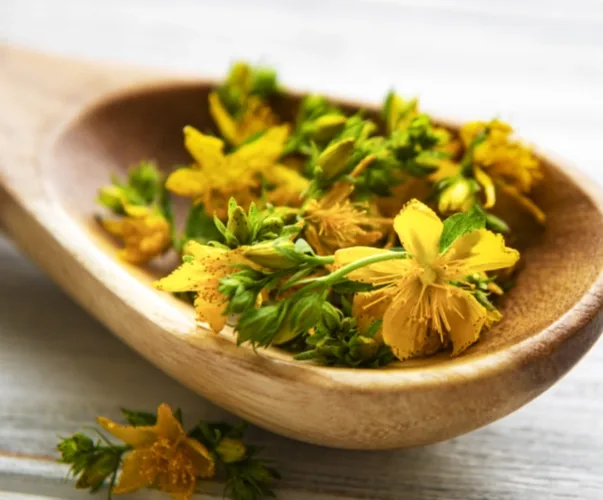
St John’s Wort (Hypericum perforatum) is a flowering plant with bright yellow petals and distinctive tiny perforations in its leaves—hence the name perforatum. It’s a hardy herbaceous plant native to Europe, but it now grows wild in many parts of the world, including North America and Australia. The plant blooms around the time of the summer solstice, near St John’s Day in late June, which is how it earned its name.
The medicinal parts of the plant are the flowers and leaves, which are traditionally used to create tinctures, teas, oils, and capsules. The active compounds believed to give St John’s Wort its therapeutic effects include hypericin and hyperforin, both of which are thought to influence mood-regulating neurotransmitters in the brain.
Origins and Traditional Use
St John’s Wort has been used for over 2,000 years in European folk medicine. Ancient Greek physicians like Hippocrates and Dioscorides recommended it for treating sciatica, wounds, and melancholia (a historical term for depression). In the Middle Ages, it was often hung over doorways to ward off evil spirits, and it was later adopted into monastic herbal medicine for its calming and wound-healing properties.
While not part of Traditional Chinese Medicine or Ayurveda in a classical sense, similar nervine and calming herbs were used in those systems to treat emotional imbalance and nervous tension. Today, St John’s Wort is widely recognised in Western herbalism as a natural aid for mood support, and it’s one of the most thoroughly researched herbal antidepressants.
What Has It Been Used to Treat?
Traditionally and in modern herbal practice, St John’s Wort has been used for:
Mild to moderate depression and low mood
Anxiety and emotional tension
Mood swings during menopause and PMS
Sleep disturbances
Seasonal affective disorder (SAD)
Nerve pain and sciatica
Wound healing and inflammation (topical use)
Because of its potential effect on serotonin and other neurotransmitters, it's especially popular among those looking for natural ways to support emotional wellbeing, including during major life transitions such as menopause.
St John’s Wort and Menopause
Mood changes, irritability, anxiety, and low mood are common symptoms during perimenopause and menopause, often caused by fluctuating hormone levels. St John’s Wort has been studied for its potential to improve mood and emotional balance in menopausal women. Some research has shown that it may be particularly helpful when combined with other herbs, like black cohosh, to reduce both psychological and physical symptoms.
A randomised controlled trial published in 2009 found that women taking St John’s Wort for 12 weeks experienced significant reductions in menopausal symptoms, especially mood-related ones. While results vary and more studies are needed, many women report feeling more emotionally stable and resilient when using this herb during menopause.
Safety and Considerations
While St John’s Wort is generally well tolerated, it interacts with many medications, including antidepressants (SSRIs), oral contraceptives, blood thinners, and certain cancer or heart medications. These interactions can reduce the effectiveness of conventional drugs or cause side effects, so it’s essential to consult a healthcare provider before starting.
Other possible side effects include light sensitivity, mild stomach upset, and dry mouth in sensitive individuals.
Research St Johns Wort & Menopause:
A randomized, double-blind, placebo-controlled study found that St. John's Wort significantly reduced the severity, frequency, and duration of hot flashes in premenopausal, perimenopausal, and postmenopausal women over an 8-week period.
St. John's Wort extract: efficacy for menopausal symptoms of psychological origin
In a 12-week study, women taking St. John's Wort extract experienced substantial improvements in psychological and psychosomatic symptoms associated with menopause, with many reporting diminished climacteric complaints and enhanced sexual well-being.
St. John's wort: a new alternative for depression?
A review concluded that St. John's Wort appears to be a safe and effective alternative in the treatment of mild to moderate depression, which is pertinent given the mood fluctuations often experienced during menopause.
Black cohosh and St Johns Wort Research:
Black cohosh and St John's wort reduced climacteric and depressive symptoms
A 16-week randomized trial demonstrated that the combination of Black Cohosh and St. John's Wort extracts led to greater improvements in climacteric and depressive symptoms compared to placebo.
Black cohosh and St. John's wort for climacteric complaints
In a double-blind, randomised, placebo-controlled study involving 301 women, the combination of Black Cohosh and St. John's Wort was effective in alleviating climacteric complaints, particularly those with a pronounced psychological component.
Black cohosh and St. John's wort (GYNO-Plus) for climacteric symptoms
A study on the GYNO-Plus® formulation, combining Black Cohosh and St. John's Wort, found it effective in alleviating climacteric symptoms and suggested potential benefits to lipid metabolism.
Black Cohosh
What is Black Cohosh?
Black Cohosh (Actaea racemosa, formerly Cimicifuga racemosa) is a flowering perennial plant native to North America, particularly the woodlands of the eastern United States and Canada. It grows up to 2 metres tall and produces long, white, feathery flower spikes in summer. The part of the plant used for medicinal purposes is the root and rhizome, which is typically dried and processed into capsules, extracts, or teas.
Black Cohosh contains a variety of active plant compounds, including triterpene glycosides, flavonoids, and isoflavones, which are thought to influence hormone-related processes in the body—although it does not contain oestrogen itself.
Origins and Traditional Use
Black Cohosh has a long history of traditional use by Indigenous North American tribes, such as the Cherokee and Iroquois. These communities used the plant for a variety of women's health issues, including menstrual irregularities, labour support, and menopause symptoms, as well as for rheumatism, sore throats, and coughs.
In the 19th century, Black Cohosh was adopted into Western herbal medicine, particularly by Eclectic physicians in the United States, who valued it for treating "female complaints" and nervous disorders. While it is not part of traditional Chinese or Ayurvedic medicine, modern herbalists worldwide now incorporate Black Cohosh into menopause support formulas, especially in Europe and North America.
What Has It Been Used to Treat?
Traditionally and in modern herbal medicine, Black Cohosh has been used to support:
Hot flashes and night sweats during perimenopause and menopause
Mood swings and irritability
Sleep disturbances and anxiety
Menstrual cramps and irregular periods
Muscle and joint pain, particularly in menopausal women
Its exact mechanism isn’t fully understood, but it’s believed to modulate serotonin receptors and possibly influence the hypothalamus, the part of the brain involved in temperature regulation and hormone signalling.
Black Cohosh and Menopause
Black Cohosh is one of the most studied herbal remedies for menopause. Several clinical trials and reviews have suggested that it may help reduce the frequency and intensity of hot flashes, sweating, and mood-related symptoms. It's often considered a gentle, natural alternative to hormone replacement therapy (HRT), particularly for women who can’t or prefer not to use oestrogen-based treatments.
In some studies, Black Cohosh has been shown to be more effective when combined with St. John’s Wort, especially in cases where emotional symptoms like anxiety and depression are present. Products combining the two herbs have shown promise in reducing both climacteric (menopause-related) and psychological symptoms.
Safety and Considerations
Black Cohosh is generally considered safe for short- to medium-term use (up to 6 months), but there are a few important points to note:
It does not contain oestrogen, but may still influence hormone-related systems.
Some users have reported mild gastrointestinal upset or headaches.
There have been rare reports of liver issues, though a direct causal link is unclear. Women with liver disorders or a history of hormone-sensitive cancers should consult their healthcare provider before use.
As always, it's best to speak to a knowledgeable herbalist or doctor—especially if combining herbs with medications or managing complex health conditions.
Research Black Cohosh:
Commonly used to help alleviate symptoms of menopause and premenstrual syndrome (PMS).
Black Cohosh Fact Sheet – Office of Dietary Supplements (ODS), NIH
The ODS provides a comprehensive fact sheet detailing Black Cohosh (Actaea racemosa) as an herbal supplement commonly used to alleviate menopausal symptoms such as hot flashes and night sweats. While some studies suggest potential benefits, the evidence is mixed, and the exact mechanisms remain unclear. The fact sheet also notes that the composition of Black Cohosh products can vary, and the compounds responsible for any effects are not definitively identified. Potential side effects include gastrointestinal discomfort and, in rare cases, liver issues. It's recommended to consult healthcare providers before use, especially for individuals with liver disorders or hormone-sensitive conditions.
The NCCIH outlines that Black Cohosh has been traditionally used by Native Americans for various ailments and is currently promoted for menopausal symptoms. However, research results are inconsistent regarding its effectiveness. Some studies have shown improvements in hot flashes, but others have not found significant benefits. The NCCIH emphasises the importance of discussing any supplement use with healthcare providers, particularly due to potential interactions with medications.
Black Cohosh national centre for complimentary and integrated health
Cancer Research UK states that while Black Cohosh is used by some to manage menopausal symptoms, there is no scientific evidence supporting its efficacy in treating or preventing cancer. The organisation advises caution, especially for women with breast cancer, due to potential interactions with treatments like tamoxifen and the lack of clarity on how Black Cohosh affects hormone-sensitive tissues. Reported side effects include stomach discomfort, rashes, and, in rare cases, liver damage.
Black cohosh Cancer Research UK
The NCI notes that Black Cohosh has been studied as a complementary therapy for menopausal symptoms, including those induced by breast cancer treatments. Some observational studies have reported reductions in hot flash frequency and severity among breast cancer survivors using Black Cohosh products like Remifemin®. However, the NCI emphasises that these findings are not conclusive, and more rigorous research is needed to determine safety and efficacy, particularly concerning hormone-sensitive cancers.
Evening Primrose Oil
What is Evening Primrose Oil?
Evening primrose oil (EPO) is a golden-yellow oil extracted from the seeds of the evening primrose plant (Oenothera biennis), a flowering plant native to North and South America. The plant gets its name because its bright yellow flowers bloom in the evening, and it has long been admired for both its beauty and medicinal properties.
The oil is particularly valued for its high content of gamma-linolenic acid (GLA), a rare omega-6 fatty acid that plays a crucial role in inflammation regulation, hormone balance, and skin health.
Origins and Traditional Use
Evening primrose has deep roots in Native American traditional medicine, where various parts of the plant were used to treat bruises, digestive issues, sore throats, and skin conditions. The seeds were pressed into a paste or poultice, and the roots were sometimes eaten like vegetables.
Though it’s not part of Traditional Chinese Medicine or Ayurveda, the plant has been incorporated into modern herbal medicine due to its rich essential fatty acid profile. EPO gained popularity in the 20th century as a natural support for women's health, including PMS, breast pain, and menopausal symptoms.
What Has It Been Used to Treat?
Evening Primrose Oil has been widely used for:
Hormonal balance and PMS
Breast tenderness (mastalgia)
Skin conditions like eczema and acne
Arthritis and joint pain
Cardiovascular health
Hair and nail strength
Dryness and inflammation
Its key therapeutic action comes from gamma-linolenic acid (GLA), which the body converts into prostaglandins—compounds that help regulate inflammation, hormones, and immunity.
Some small clinical studies and user reports suggest that evening primrose oil may reduce the severity and frequency of hot flashes and help improve sleep and mood stability. It's especially popular among women seeking natural, non-hormonal support for menopause-related symptoms.
Although results vary, EPO is often included in blended menopause supplements or taken on its own to support general hormonal health and reduce inflammation that may underlie symptoms like joint pain or breast discomfort.
Research:
Research showed that EPO supplementation improved mood and decreased psychological symptoms in postmenopausal women, suggesting potential benefits beyond vasomotor symptoms
Both EPO and black cohosh were effective in reducing the severity of hot flashes and improving the quality of life in postmenopausal women. However, black cohosh was more effective in reducing the frequency and severity of hot flashes.
Sage
Sage for dealing with heat fluctuations
What is Sage?
Sage (Salvia officinalis) is a woody perennial herb with soft, grey-green leaves and purple or blue flowers. It's a member of the mint family (Lamiaceae) and is well known both as a culinary seasoning and a traditional medicinal plant. Native to the Mediterranean region, sage has been cultivated for thousands of years for its aromatic properties and health benefits.
The name Salvia comes from the Latin word salvare, meaning “to heal” or “to save,” reflecting its long-standing reputation as a healing herb.
Origins and Traditional Use
Sage has a rich history in European herbal medicine, where it was considered a sacred plant by the Greeks and Romans. The Greek physician Dioscorides praised its use for digestive problems, sore throats, memory loss, and female reproductive health. In the Middle Ages, it was known as “the plant that saves” and was commonly used in monastic medicine.
In Ayurvedic medicine, a related species called Salvia officinalis or Salvia sclarea (clary sage) is used for its cooling and balancing effects, particularly in managing hormonal imbalances and digestive issues. In Traditional Chinese Medicine (TCM), sage is less commonly used, but some practitioners include related aromatic herbs for their yin-nourishing and qi-regulating properties.
What Has It Been Used to Treat?
Historically and in modern herbal practice, sage has been used for:
Hot flashes and night sweats
Excessive perspiration (hyperhidrosis)
Digestive issues and bloating
Sore throat and inflammation of the mouth
Memory and cognitive support
Mood balancing and stress relief
It contains essential oils, flavonoids, and phenolic acids, including thujone, rosmarinic acid, and camphor, which contribute to its antimicrobial, anti-inflammatory, and antioxidant properties.
Sage and Menopause
One of the most promising uses of sage in recent years is for the relief of hot flashes and night sweats, two of the most common and uncomfortable symptoms of menopause. Research has shown that sage can help regulate body temperature and reduce excessive sweating, likely through its action on the central nervous system and thermoregulatory processes.
A Swiss study published in Advances in Therapy (2011) followed menopausal women who took a once-daily sage tablet for 8 weeks. The results showed a rapid and consistent reduction in hot flashes, including a 64% decrease in very severe symptoms. Improvements were also reported in mood and sleep.
Sage is also believed to have mild oestrogen-like effects, although it does not contain phytoestrogens in the same way as red clover or soy. This makes it appealing to many women looking for a non-hormonal way to ease symptoms naturally.
Safety and Considerations
Sage is generally safe when used in culinary amounts or short-term in moderate medicinal doses. However:
Large doses of common sage (Salvia officinalis) can be toxic due to its thujone content, which may affect the nervous system.
Avoid high doses or prolonged use of sage essential oil or concentrated extracts unless under the guidance of a qualified practitioner.
Not recommended for pregnancy or breastfeeding due to its potential to affect hormone levels or reduce milk supply.
As always, it's essential to consult a healthcare provider before using sage supplements, especially if you're on medications or managing other health conditions.
Research:
First time proof of sage’s tolerability and efficacy in menopausal women with hot flushes
A notable open-label study conducted in Switzerland involved 71 postmenopausal women experiencing at least five hot flashes daily. Participants took a daily tablet of fresh sage extract for eight weeks. Results showed a significant reduction in the total number of hot flashes: a 50% decrease by week 4 and a 64% decrease by week 8. Severe and very severe hot flashes were reduced by 79% and 100%, respectively. Improvements were also observed in psychological and urogenital symptoms, with the treatment being well tolerated.
Sage and Menopause: An Herbal Remedy for Hot Flashes?
A notable open-label study conducted in Switzerland involved 71 postmenopausal women experiencing at least five hot flashes daily. Participants took a daily tablet of fresh sage extract for eight weeks. Results showed a significant reduction in the total number of hot flashes: a 50% decrease by week 4 and a 64% decrease by week 8. Severe and very severe hot flashes were reduced by 79% and 100%, respectively. Improvements were also observed in psychological and urogenital symptoms, with the treatment being well tolerated.
A comprehensive review encompassing four clinical studies with a total of 310 participants found that sage supplementation significantly decreased the frequency of hot flashes in postmenopausal women. The review also noted improvements in somato-vegetative and psychological symptoms associated with menopause.
A double-blind randomized controlled trial investigated the effects of inhaling sage essential oil on sexual function and satisfaction in postmenopausal women. After six weeks, the intervention group showed significant improvements in both sexual function and satisfaction scores compared to the control group, suggesting potential benefits of sage aromatherapy in this context.
Magnolia Rhodiola
What Are Magnolia and Rhodiola?
Magnolia (Magnolia officinalis) is a deciduous tree native to China, prized for its aromatic bark that has been used in traditional medicine for centuries. The bark is rich in compounds like honokiol and magnolol, which are believed to have calming, anti-anxiety, and anti-inflammatory properties.
Rhodiola (Rhodiola rosea), on the other hand, is a flowering perennial herb found in cold mountainous regions of Europe, Asia, and the Arctic. Its root is the part used medicinally, known for its adaptogenic properties—meaning it helps the body cope with physical and emotional stress. It contains active compounds such as rosavin and salidroside.
When combined, magnolia and rhodiola are often used in supplements for stress reduction, improved mood, better sleep, and hormonal balance—symptoms often affected during menopause.
Origins and Traditional Use
Magnolia Bark has been a cornerstone of Traditional Chinese Medicine (TCM) for over 2,000 years. Known as Hou Po, it’s used to promote relaxation, treat anxiety, support digestion, and relieve chest tightness. It’s often included in herbal formulas to calm the mind and treat “stagnation” of Qi (energy), especially from emotional stress.
Rhodiola has a long history in traditional medicine systems of Russia, Scandinavia, and Tibet. In Siberian folk medicine, it was used to increase stamina, resilience, and mental clarity, particularly in harsh climates. In Tibetan medicine, Rhodiola was used to treat fatigue, lung conditions, and high-altitude sickness.
While not part of Ayurvedic medicine per se, Rhodiola has similar qualities to Ayurvedic adaptogens like ashwagandha—supporting the nervous system, increasing vitality, and helping with emotional resilience.
What Have They Been Used to Treat?
Individually and together, magnolia and rhodiola are used to support:
Mood balance and symptoms of mild to moderate depression
Sleep quality and reduced nighttime waking
Anxiety and nervous tension
Mental clarity and focus
Cortisol regulation (lowering stress hormone levels)
Energy levels and fatigue
Hormonal balance, especially during perimenopause and menopause
Magnolia & Rhodiola and Menopause
This herbal duo has become increasingly popular in formulas aimed at managing emotional and hormonal symptoms of menopause, such as:
Irritability and mood swings
Sleep disturbances
Brain fog
Low energy
Mild anxiety or overwhelm
Research suggests that magnolia bark may help reduce cortisol levels, contributing to a calming effect and supporting better sleep. Rhodiola has been shown in studies to enhance mood and reduce fatigue, making it helpful during the hormonal fluctuations that occur in perimenopause and menopause.
A number of clinical trials and reviews of these herbs in combination (e.g. the Relora® and Estrovera® formulas) show promise for reducing stress-related eating, improving mood, and enhancing sleep quality—all of which can improve quality of life during menopause.
Safety and Considerations
Both herbs are generally well tolerated, especially in standardised extracts. However:
Magnolia may cause drowsiness or dizziness in some people, especially when taken in high doses.
Rhodiola is stimulating at lower doses and calming at higher doses, so finding the right balance is important.
Rhodiola may not be suitable for those with bipolar disorder due to its potential mood-elevating effects.
As with all supplements, it’s wise to consult a healthcare provider before starting a new combination—especially if you are on medications for mood, hormones, or sleep.
Research:
A controlled study assessed the efficacy of a supplement combining soy isoflavones, Lactobacillus sporogenes, Magnolia bark extract, vitamin D3, and calcium in menopausal women. The results indicated significant improvements in vasomotor symptoms (like hot flashes), sleep disturbances, and mood disorders compared to calcium and vitamin D3 alone.
Another study evaluated the effects of Magnolia bark extract combined with magnesium on psycho-affective and sleep disturbances in menopausal women. Participants experienced significant reductions in anxiety, mood depression, irritability, and sleep disorders.
A randomized, double-blind, placebo-controlled study investigated the effects of a combination of Rhodiola rosea and Black Cohosh in women with menopausal complaints. The combination significantly improved menopausal symptoms, particularly psychological ones, compared to Black Cohosh alone or placebo.
Pause menopause with Rhodiola rosea, a natural selective estrogen receptor modulator
A review proposed that Rhodiola rosea might act as a natural SERM, potentially benefiting menopausal women by alleviating fatigue, stress, depression, cognitive decline, and other estrogen-deficiency-related conditions.
Magnolia contains Honokiol, which has been shown to reduce cortisol in the body and relax muscles and nerves.
cherry night powder
Natural nightcap commonly used to improve sleep, relax the mind and reduce fatigue.
Astaxanthin
What is Astaxanthin?
Astaxanthin is a naturally occurring carotenoid pigment, known for its deep red-orange colour and powerful antioxidant properties. It’s produced by microalgae, primarily Haematococcus pluvialis, and is also found in marine animals like salmon, krill, shrimp, lobster, and flamingos, who get their colour from consuming these algae.
Unlike plant-based carotenoids like beta-carotene, astaxanthin is a fat-soluble antioxidant that is 10–100 times more potent in scavenging free radicals. It’s often referred to as “nature’s strongest antioxidant” due to its ability to protect cells from oxidative stress more effectively than most other nutrients.
Origins and Traditional Use
Astaxanthin is not a plant, herb, or mineral typically associated with ancient traditional medicine systems like Ayurveda or Traditional Chinese Medicine (TCM). That’s because it was only identified and studied in recent decades, largely due to advances in marine biology and antioxidant research.
That said, its source organisms—like algae and seafood—have been consumed traditionally in coastal and island cultures for centuries, often praised for their health-giving and rejuvenating effects. In particular, traditional Japanese diets, rich in seafood, provided consistent intake of astaxanthin from wild salmon and shellfish—foods long associated with vitality and longevity.
What Has It Been Used to Treat?
In modern natural health and clinical research, astaxanthin has been used for a wide range of potential benefits, including:
Reducing inflammation and oxidative stress
Supporting skin health and elasticity
Improving endurance and recovery in physical performance
Boosting eye and brain health
Promoting cardiovascular function
Supporting immune resilience and cellular repair
Because of its antioxidant strength, astaxanthin is often used in formulas targeting anti-ageing, immune support, and inflammatory balance.
Astaxanthin and Menopause
During menopause, many symptoms—such as fatigue, brain fog, joint stiffness, and skin dryness—are worsened by underlying oxidative stress and inflammation. Astaxanthin's powerful antioxidant action may support women in this phase by:
Reducing inflammation-related discomfort (e.g. joint pain, muscle aches)
Improving skin hydration and elasticity, which can decline with lower estrogen
Protecting against oxidative stress, which is associated with ageing and hormonal changes
Supporting energy levels and mental clarity, often challenged during hormonal shifts
While research on astaxanthin and menopause specifically is limited, its general actions make it a promising ally in supporting overall wellbeing during this life stage.
Safety and Considerations
Astaxanthin is generally considered very safe and well tolerated, even at relatively high doses. It’s not known to have significant interactions with medications, though it may mildly lower blood pressure or cholesterol, so caution is advised for those on related medications.
As it is fat-soluble, it’s best absorbed when taken with food containing healthy fats.
Research:
Nutraceutical Efficacy in Perimenopausal, Menopausal, and Postmenopausal Women
A randomised, double-blind, placebo-controlled study evaluated a nutraceutical supplement (Nutrafol Women’s Balance) containing astaxanthin among other ingredients. The study found that the supplement significantly improved hair growth and reduced hair shedding in perimenopausal, menopausal, and postmenopausal women experiencing hair thinning.
Astaxanthin in Skin Health, Repair, and Disease: A Comprehensive Review
Astaxanthin has been studied for its effects on skin health, which can be a concern during menopause due to decreased estrogen levels. Research has shown that astaxanthin supplementation may improve skin elasticity and moisture content and reduce signs of ageing.
Suppression Effect of Astaxanthin on Osteoclast Formation In Vitro and Bone Loss In Vivo
In vitro studies suggest that astaxanthin may inhibit osteoclast formation, which is involved in bone resorption. This indicates a potential role in supporting bone health, a significant concern during and after menopause.
Resveratrol
What is Resveratrol?
Resveratrol is a natural polyphenol compound, specifically a stilbene, found in certain plants as part of their defence mechanism against stress, injury, or fungal infection. It occurs most abundantly in the skins of red grapes, but it’s also found in blueberries, cranberries, peanuts, cocoa, and Japanese knotweed (Polygonum cuspidatum), which is a common source for supplements.
It gained public attention as a key component of the so-called "French Paradox"—the observation that the French had low rates of heart disease despite a diet rich in saturated fat, possibly linked to regular red wine consumption. This led to increasing interest in resveratrol's antioxidant and cardioprotective effects.
Origins and Traditional Use
Resveratrol itself wasn’t identified and isolated until the 20th century, so it doesn’t appear as a named compound in ancient healing traditions. However, the plants that contain it—like grapes and Japanese knotweed—have long been used in traditional medicine systems:
In Traditional Chinese Medicine (TCM), Japanese knotweed is known as Hu Zhang and has been used for clearing heat, detoxifying the body, supporting liver function, and promoting blood circulation. Its roots were often prescribed for infections, inflammation, and cardiovascular conditions.
In Ayurveda, while resveratrol isn’t directly referenced, grapes (Draksha) are considered cooling, rejuvenating, and nourishing, often used to support heart health, energy, and vitality—all effects now partially attributed to resveratrol.
What Has It Been Used to Treat?
Modern research has explored resveratrol for its potential in:
Supporting cardiovascular health
Reducing inflammation and oxidative stress
Improving insulin sensitivity and metabolic function
Enhancing cognitive performance and neuroprotection
Slowing cellular ageing and promoting mitochondrial health
Supporting bone density and hormone balance
It's often described as a “calorie restriction mimetic” because it activates sirtuins, proteins involved in longevity, DNA repair, and metabolic regulation.
Resveratrol and Menopause
Resveratrol has become a popular supplement for menopause support, particularly because of its ability to act as a natural phytoestrogen—a plant compound that can bind to estrogen receptors in the body and mildly mimic or modulate estrogen’s effects.
Potential benefits for menopausal women include:
Reduced hot flashes and night sweats
Improved bone density and reduced osteoporosis risk
Better cardiovascular function
Enhanced mood and cognitive clarity
Protection against postmenopausal weight gain and metabolic changes
A 2020 randomized controlled trial published in Cell Metabolism found that resveratrol supplementation in postmenopausal women improved cerebrovascular function, blood pressure regulation, and cognitive performance. Another study showed that it may help preserve bone mineral density by supporting estrogen-like activity in bone tissue without the risks of traditional hormone therapy.
Safety and Considerations
Resveratrol is generally considered safe when used at moderate doses. However:
High doses may cause gastrointestinal upset in some people.
It may have mild blood-thinning properties, so caution is advised for those taking anticoagulant medications.
While it mimics some estrogenic activity, it is not recommended for people with hormone-sensitive cancers unless advised by a healthcare provider.
Research:
Sustained Cerebrovascular and Cognitive Benefits of Resveratrol in Postmenopausal Women
The study involved 125 postmenopausal women aged between 45 and 85 years. Participants were administered 75 mg of trans-resveratrol twice daily. The findings indicated that resveratrol supplementation enhanced cognitive performance and cerebrovascular responsiveness to cognitive tasks. Additionally, there was an association between improved cerebrovascular function and reductions in fasting blood glucose levels. These results suggest that resveratrol may have beneficial effects on brain health and metabolic function in postmenopausal women.
Resveratrol supplementation could help preserve bone density in postmenopausal women. In this randomised, placebo-controlled trial, participants who took 75 mg of resveratrol twice daily experienced improvements in bone mineral density at the lumbar spine and femoral neck, common sites of osteoporotic fractures. These findings indicate that resveratrol may exert estrogen-like effects on bone tissue, potentially offering a protective benefit against osteoporosis without the risks associated with traditional hormone therapy.
A 12-week study found that combining resveratrol and equol improved the quality of life in menopausal women, reducing vaginal dryness, enhancing sleep, and improving emotional well-being.
Over 24 months, resveratrol (75 mg twice daily) reduced chronic pain, improved mood, and enhanced cognitive and vascular health in postmenopausal women.
The effect of Resveratrol on menopausal symptoms: a systematic review
A review of multiple clinical trials found that resveratrol may improve symptoms associated with menopause, including hot flashes, mood, sleep disturbances, bone density, and cognitive function.
Red clover
What is Red Clover?
Red clover (Trifolium pratense) is a flowering plant in the legume family (Fabaceae), easily recognised by its round pinkish-purple blooms. It’s a low-growing perennial herb commonly found in meadows and pastures throughout Europe, Asia, and North America. The parts used medicinally are the flowering tops, which are rich in isoflavones—plant-based compounds that act as phytoestrogens, meaning they can weakly mimic oestrogen in the body.
Its high isoflavone content (especially genistein, daidzein, formononetin, and biochanin A) is what makes red clover of particular interest for menopausal support.
Origins and Traditional Use
Red clover has been used for centuries in traditional European herbalism as a remedy for a wide variety of conditions, including:
Respiratory issues (like coughs and bronchitis)
Skin conditions (such as eczema and psoriasis)
Digestive discomfort
Cleansing and detoxification
It was often considered a “blood purifier” in folk medicine and was included in various traditional formulas aimed at supporting the lymphatic system and clearing chronic conditions.
In Traditional Chinese Medicine (TCM), red clover is used more cautiously and is typically prescribed for circulatory health, particularly in formulas to dispel phlegm, reduce inflammation, or stimulate qi (energy) flow. It is not a major herb in TCM, but its individual components have been studied and included in modern Chinese herbal approaches.
While not part of Ayurvedic tradition, the plant's properties would be seen as cooling and nourishing, likely used to balance excess heat or pitta, especially in cases involving hormonal or skin disturbances.
What Has It Been Used to Treat?
Historically and in modern herbal practice, red clover has been used for:
Menopausal symptoms (especially hot flashes and night sweats)
PMS and menstrual irregularities
Bone support (potentially helping with osteoporosis)
Cardiovascular health (may support healthy cholesterol levels)
Skin conditions and wound healing
Detoxification and liver support
Its appeal during menopause comes from its natural phytoestrogenic action, offering an oestrogen-like effect without synthetic hormones.
Red Clover and Menopause
Red clover is one of the most researched herbal remedies for menopausal symptoms. Several studies have shown that red clover isoflavone extracts may help:
Reduce the frequency and severity of hot flashes
Improve sleep quality
Enhance bone density or slow bone loss
Support cardiovascular health in postmenopausal women
Some clinical trials have found moderate but significant benefits, particularly for women experiencing vasomotor symptoms (like hot flashes) who prefer to avoid hormone replacement therapy (HRT).
It's often used in combination with other herbs like sage, dong quai, or black cohosh in menopause support formulas.
Safety and Considerations
Red clover is generally well tolerated, especially in moderate doses. However:
Because of its phytoestrogen content, it may not be suitable for women with hormone-sensitive cancers (e.g., breast or ovarian cancer) unless supervised by a healthcare provider.
It may interact with blood thinners like warfarin, as red clover contains natural coumarins.
Not recommended in pregnancy or breastfeeding without medical advice.
Standardised extracts are typically used in clinical trials, with dosages ranging from 40 to 80 mg of isoflavones per day.
Research:
A systematic review and meta-analysis evaluated the efficacy of red clover isoflavones in relieving hot flashes and menopausal symptoms in peri- and postmenopausal women. The analysis included eight trials and found a statistically significant reduction in the daily incidence of hot flashes in women who received red clover compared to those who received a placebo. The effect was more pronounced in postmenopausal women experiencing five or more hot flashes per day, with a follow-up period of 12 weeks and an isoflavone dose of 80 mg/day or higher.
A systematic review and meta-analysis examined the effects of red clover isoflavones on the lipid profiles of perimenopausal and postmenopausal women. The findings suggested a favourable impact of red clover on lipid metabolism, indicating potential cardiovascular benefits alongside symptom relief.
Magnesium
Magnesium is essential to electrolyte balance.
What is Magnesium?
Magnesium is a naturally occurring mineral—one of the most abundant in the human body and essential to hundreds of biochemical processes. It isn’t a herb or plant, but rather a micronutrient found in both soil and food, and it plays a vital role in nerve function, muscle relaxation, energy production, and hormone balance.
In food, magnesium is commonly found in:
Leafy greens (like spinach and kale)
Nuts and seeds (especially pumpkin seeds, almonds)
Whole grains, legumes, and some dark chocolate
Mineral-rich water and sea vegetables
It's also available in supplemental forms such as magnesium citrate, glycinate, oxide, and sulfate, with different absorption rates and uses.
Origins and Traditional Use
Although magnesium wasn't isolated and studied until the 18th century, magnesium-rich substances—such as mineral salts and Epsom salts—were used in ancient healing traditions across various cultures:
In Traditional Chinese Medicine (TCM), mineral-rich herbs and salts were used to calm the spirit, nourish yin, and relieve spasms or cramps—functions that we now know often involve magnesium.
In Ayurveda, many magnesium-rich foods, such as leafy greens, sesame seeds, and legumes, have been traditionally used to support vata and pitta balance, thereby enhancing nervous system strength, digestion, and stress resilience.
Historically, Epsom salts (magnesium sulfate) were used in European herbal traditions for soothing baths, relief from constipation, and reducing muscle tension.
What Has It Been Used to Treat?
Modern science and historical use both indicate that magnesium is incredibly versatile. It's been used for:
Muscle cramps and tension
Sleep disorders and insomnia
Headaches and migraines
Anxiety and low mood
High blood pressure
Constipation
Blood sugar balance
Premenstrual syndrome (PMS) and hormone-related mood swings
Magnesium and Menopause
Magnesium plays a supportive role during menopause in several important ways:
Sleep and relaxation: Magnesium helps calm the nervous system and supports the production of melatonin, the sleep hormone—helpful for those struggling with insomnia or night waking.
Mood regulation: It assists with serotonin production and can help reduce symptoms of anxiety, irritability, and depression, which are common during perimenopause.
Bone health: Alongside calcium and vitamin D, magnesium is vital for maintaining bone density—a major concern in postmenopausal women at risk of osteoporosis.
Hot flashes and temperature regulation: While more research is needed, some studies suggest magnesium may help lessen the frequency and intensity of hot flashes.
Heart health: Magnesium supports healthy blood pressure and cardiovascular function, which can be affected by hormonal shifts in menopause.
A 2011 pilot study even found that magnesium supplementation may reduce hot flashes in women who had not responded to hormone therapy.
Research:
A phase II trial investigated the effects of oral magnesium supplementation on hot flashes in women who had undergone breast cancer treatment. The study found that magnesium supplementation was effective in reducing the severity and frequency of hot flashes in these women.
Menopausal hot flashes: The role of magnesium and select endocrine factors
A review of studies on magnesium supplementation for hot flashes showed mixed results. While some studies demonstrated improvement in symptoms, others did not find significant benefits. The review concluded that more research is needed to clarify magnesium's role in managing hot flashes during menopause.
The Role of Magnesium in Sleep Health: a Systematic Review of Available Literature
A systematic review assessed the association between magnesium status and sleep quality. Observational studies suggested a positive link between higher magnesium intake and better sleep quality, including aspects like sleep duration and reduced daytime sleepiness. However, randomised clinical trials showed inconsistent results, indicating the need for further research.
A study examining magnesium intake and sleep patterns found that higher magnesium intake was associated with better sleep quality and longer sleep duration. The association was particularly significant among participants without depressive disorders.
Pine Bark
Boost cognitive performance
Other Herbs and Plant-Based Remedies
Dong Quai (Angelica sinensis)
Used in Traditional Chinese Medicine as a “female tonic” to support hormone balance and blood flow.
Chaste Tree (Vitex agnus-castus)
Traditionally used for PMS and now used in menopause for mood swings and hormone regulation.
Licorice Root
Mildly estrogenic, used in both TCM and Ayurveda for adrenal support and hormone regulation.
Shatavari (Asparagus racemosus)
An Ayurvedic herb known as a female reproductive tonic, used for dryness, fatigue, and emotional wellbeing.
Ashwagandha
Another Ayurvedic adaptogen, helpful for stress, sleep, and mood balance.
Siberian Ginseng (Eleuthero)
Supports energy and stress resilience, especially for fatigue and adrenal support.
Maca Root
A Peruvian root used to boost libido, mood, and energy, especially during hormonal transitions.
Hops (Humulus lupulus)
A natural source of phytoestrogens, sometimes included in herbal blends for hot flashes and anxiety.
Motherwort (Leonurus cardiaca)
Used for palpitations, mood swings, and anxiety linked to menopause.
Other Minerals & Nutritional Supplements
Calcium + Vitamin D
Essential for bone health in postmenopausal women at risk of osteoporosis.
Vitamin E
May help reduce the severity of hot flashes and support skin health.
Omega-3 Fatty Acids
Found in fish oil and flaxseed; supports mood, heart, and joint health.
Probiotics
May help with digestive changes, mood, and weight regulation during menopause.
B Vitamins (especially B6, B12, and Folate)
Important for energy, mood balance, and nervous system support.
Other Research
Effects of traditional Chinese medicine on symptom clusters during the menopausal transition.
Chinese herbal medicine for menopausal symptoms.
Acupuncture for menopausal hot flushes.
Menopause Books
The new hormone solution - Erika Schwartz, MD
The Hormone Solution - Erika Schwartz, MD