A balanced plant-based diet means having enough to eat, enjoying a variety of foods and covering the nutrients your body needs. Vegetables belong alongside foods such as beans, lentils, wholegrains, nuts and seeds, with reliable fortified foods or supplements where needed. [1] [2]
I find it helpful to think about actual meals. What could you add to a bowl of soup to make it a full lunch? Where will the protein in tonight's dinner come from? And if you choose an unfortified plant drink, how will you cover the nutrients it doesn't supply? Those are the everyday questions I want to help you work through.
You don't need every plate to look the same; balance is something to consider across a day or week. [1] Use ingredients you enjoy and can afford, whether organic or non-organic. This guide is for adults and covers meal planning in depth. For a shorter introduction to making your first changes, start with the getting-started guide.
What should I eat on a balanced plant-based diet?
Build your meals around vegetables, fruit, wholegrains, beans or other pulses, with nuts and seeds among your regular choices. Dr Greger's Daily Dozen includes these food groups as a practical checklist. [25] Plant-based eating can include few or no animal foods; a vegan diet excludes them altogether. [3] You can use the meal ideas here wherever you are starting from.
The NHS Eatwell Guide describes balance across a day or week. Fruit and vegetables, and starchy foods such as potatoes, bread and rice, each account for just over a third of food overall. Protein foods and dairy or suitable alternatives have a place too. [1] Looking across the day gives you room for different meals, without expecting every plate to look the same.
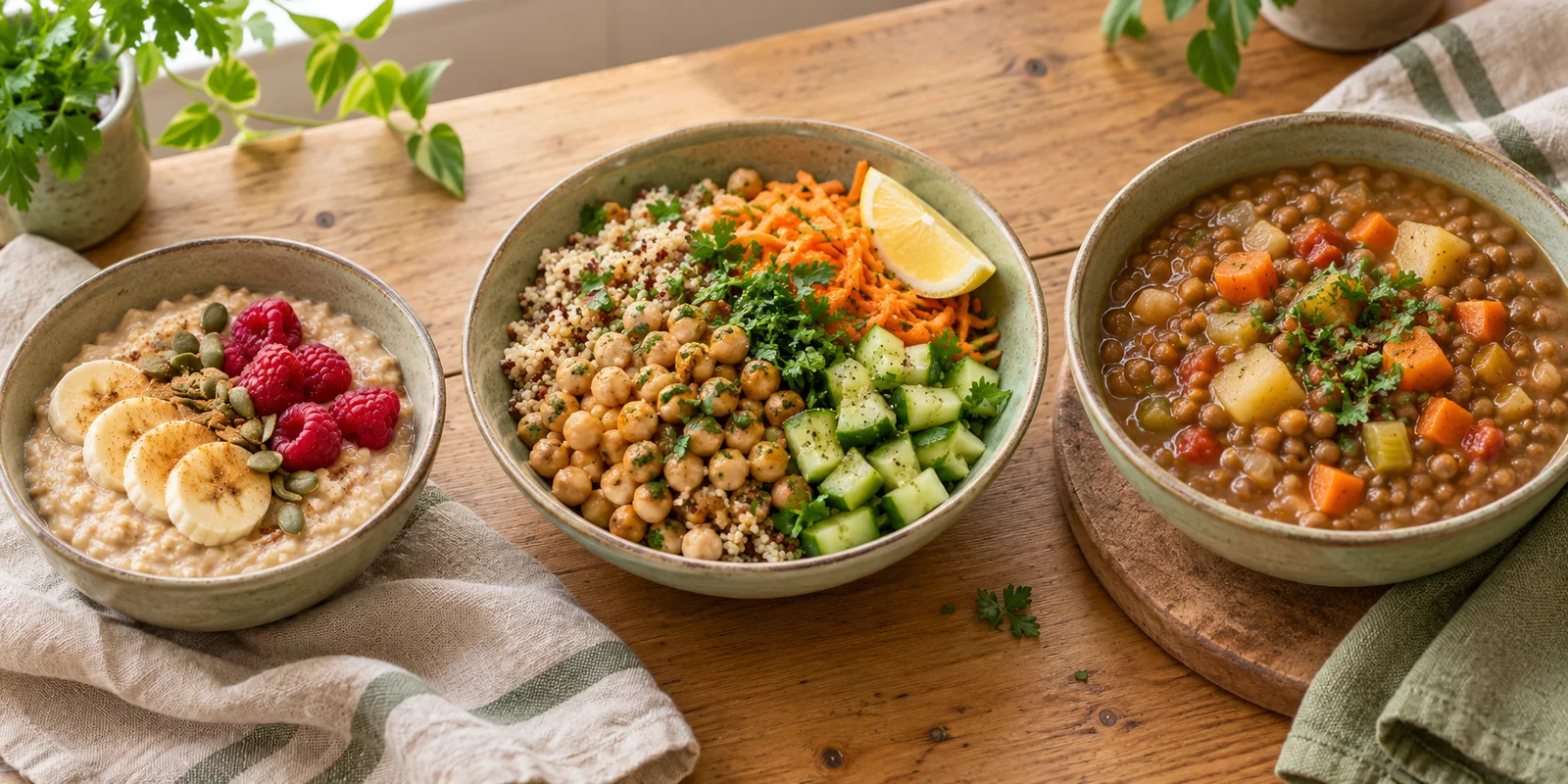
I enjoy seeing how many different vegetables I can work into a day, but you can begin with the ones you already like. Porridge with fruit might be followed by a bean-filled potato at lunch and tofu with rice and vegetables at dinner. Think about breakfast, snacks and drinks as well as the main meal.
If you're still hungry after a vegetable-based dinner, check whether it included enough food overall. Try adding a potato, bread or rice, alongside beans, lentils or tofu. Portions in this guide are yours to choose. If eating enough is difficult or you are losing weight without trying, speak to your GP. [24]
Can I start before I'm ready to change everything?
Yes. If you make a mince sauce, you could try replacing half the meat with lentils. Or choose a plant-based lunch one day a week and keep the rest of your routine familiar. You can learn how the ingredients work before deciding what you want to change next.
Beans and lentils are useful protein foods, and pulses also provide fibre. [1] Choose a recipe that explains how to prepare the type you buy. If you are comparing costs, look at the amounts you will actually use; the saving depends on the ingredients and prices in your shop.
Once you move to an entirely vegan diet, make a reliable B12 plan as well. [3] You can take the cooking at your own pace while giving the important nutrition decisions some attention.
Do I need to buy organic food?
You can make these meal ideas with non-organic ingredients. Please don't put off trying more plant foods because organic options cost more than you can manage. I choose organic because growing methods matter to me, but I want the food on this page to feel possible within your own budget.
If you want to buy organic, look for certification. UK rules cover soil fertility and which fertilisers and pest-control products growers may use. Some products are permitted, so organic does not mean pesticide-free. [13] Choose the ingredients and forms you will use, whether that is tinned beans, dried lentils or frozen vegetables.
What does research on organic diets measure?
A 2019 study by Hyland and colleagues followed 16 people in four US families before and during an organic diet. Researchers analysed 158 urine samples and reported:
"significant reductions in urinary excretion of several pesticide metabolites and parent compounds"
In everyday terms, the researchers found lower levels of several pesticide-related substances in urine during the organic part of the study. It was a small before-and-after study, without random assignment, and did not measure whether people developed fewer illnesses years later. [15] It helps answer a question about exposure, while leaving longer-term health questions open.
My interest in growing food has become part of how I think about health and the environment. I want to understand those connections without asking one small study to answer every question. For nutrition, the food you eat regularly and the nutrients it supplies still need their own attention.
Is regenerative farming the same as organic?
Learning about regenerative agriculture and agroecology has made me curious about soil, crops and the wider environment. If you share that interest, ask a farm which practices it uses and how it measures progress. The term regenerative can mean different things. A 2020 review of 28 studies noted that:
"a clear scientific definition is lacking"
The review found shared environmental aims, including soil health and biodiversity, but less agreement about how to achieve and assess them. [16] That finding describes the literature reviewed in 2020; an individual scheme today may have its own published standards.
Ask a farm what it actually does and how it checks progress. You might ask how it manages soil, what it grows between crops, or which standards it follows. If you also want certified organic food, ask about that certification rather than assuming a regenerative claim includes it.
How do I put a filling meal together?
For a lunch or dinner, a practical starting point is a starchy food, a protein food and vegetables, with a sauce or dressing you enjoy. Wholegrain or higher-fibre versions of starchy foods are recommended where possible. Beans and other pulses are among the protein foods in the Eatwell Guide. [1]
Use these combinations as starting points and adjust portions and seasonings to your taste. These are meal ideas, rather than a calculated diet plan for one person.
| Base | Protein food and vegetables | Serving idea |
|---|---|---|
| Brown rice | Chickpeas, tomatoes and spinach | A curry with rice and lemon |
| Baked potato | White beans, sweetcorn and cabbage | A filled potato with cabbage salad |
| Wholewheat pasta | Lentils, mushrooms and tomatoes | A thick lentil tomato sauce |
| Noodles | Tofu, broccoli and peppers | A noodle bowl with ginger dressing |
| Wholegrain bread | Chickpea spread, grated carrot and leaves | An open sandwich or packed lunch |
| Barley | Butter beans, leeks and carrots | A vegetable and bean stew |
I like the possibilities in a familiar meal. Lentils can go into tomato pasta sauce, beans can turn a salad into a lunch, and tofu works with noodles. You can keep the flavours you enjoy while trying one new ingredient.
Write a couple of swaps beside a recipe before shopping. Cabbage or frozen greens might replace broccoli; butter beans could take the place of chickpeas in a stew. If an ingredient is unavailable, you can still cook the dinner you planned.
Would Dr Greger's Daily Dozen help me plan?
If you like a checklist, it may be useful. Dr Michael Greger's Daily Dozen groups together foods such as beans, berries, greens, other vegetables and wholegrains, with nuts, seeds and other daily habits. [25] It gives you prompts when a shopping list has become a bit repetitive.
Try using it to choose one addition to a familiar meal: beans in soup, for example, or berries with breakfast. Treat the checklist as Dr Greger's planning guidance, rather than a test you have to pass. It does not calculate your personal nutrient needs; keep B12 and other supplement decisions alongside it.
Can I get enough protein from plants?
The British Nutrition Foundation gives the UK adult reference intake as 0.75g of protein per kilogram of body weight daily. At 60kg, that calculation is 45g. Requirements can differ with circumstances such as older age or intensive training, so the reference figure is a starting point for general guidance. [17]
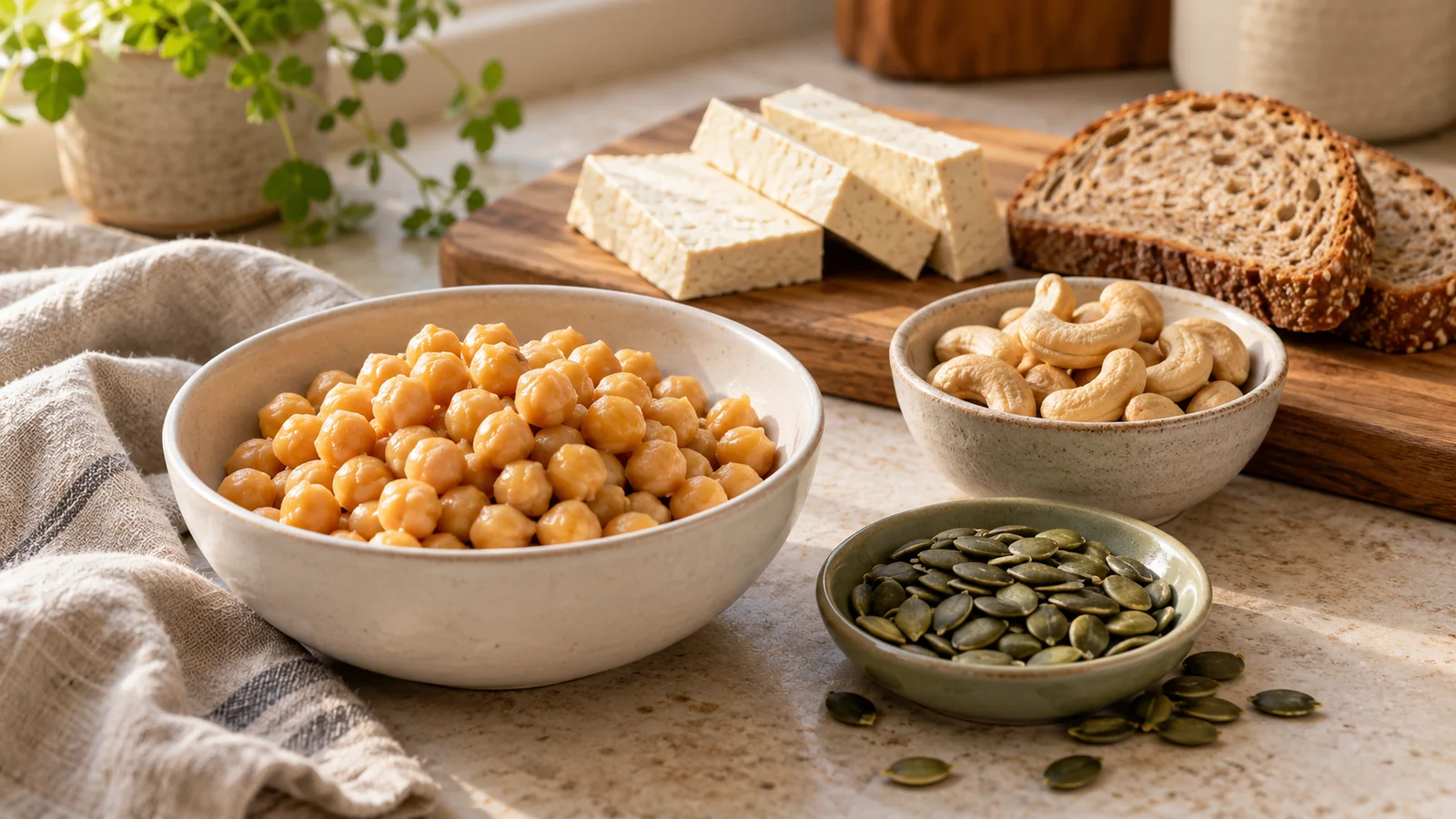
Yes, plant foods can supply protein. Beans, lentils, tofu and other soya foods are useful choices. [4] For an easy planning habit, choose a protein food for each main meal: beans on toast at lunch, for example, and tofu with rice at dinner. You can check the label if you want to see how much your usual serving supplies.
A systematic review of 141 studies of adult diets found:
"Protein intake was lower in people following plant-based diets compared to meat-eaters, but well within recommended intake levels."
The review is reassuring, although an average across studies can't tell you what your own meals provide. If you're unsure, start with the food that will take the place of meat or fish. The vegan protein guide explains amounts and food choices without needing you to calculate every mouthful.
Which vitamins and minerals need attention?
Do I need a vitamin B12 supplement?
If you eat vegan, you need a reliable B12 source from supplements or appropriately fortified foods. Fortified means vitamins or minerals have been added. Both Dr Greger and the BDA include these options in their guidance. [26] [3] B12 helps your nervous system and red blood cells, and isn't naturally present in fruit, vegetables or grains. [18]
A supplement may be the simplest option if your usual foods are unfortified. Dr Greger's nutrient recommendations explain his suggested B12 preparations and schedules. [26] Check which schedule applies to the product you choose; the amount in one tablet is not the same thing as a daily food-intake target. A pharmacist or registered dietitian can help if you're unsure.
Where can I get calcium without dairy?
For food portions, absorption and practical meal ideas, see the calcium guide.
You can get calcium from foods such as calcium-set tofu, tahini, pulses and broccoli, as well as fortified plant drinks. Spinach contains calcium but it is poorly absorbed. [2] Calcium is needed for bones and teeth, and also has roles in muscle contraction and blood clotting. [19]
Try including calcium-set tofu in a stir-fry, tahini in a dressing, or beans and broccoli in a main meal. Check tofu packaging to see what it provides. If your usual drink is unfortified, look at the rest of your day's calcium sources as well. A dietitian can help you work out whether they add up to enough for you.
What about vitamin D in the UK?
During autumn and winter, adults should consider a daily supplement containing 10 micrograms of vitamin D. Some people should consider supplementation throughout the year, including those with little sun exposure or darker skin. Vitamin D helps regulate calcium and phosphate for healthy bones, teeth and muscles. [5]
Look for a vitamin D supplement suitable for vegans. If you already take a multivitamin, read its contents before adding another product so you know what you are taking in total. Ask a pharmacist if the options are confusing.
How can I help my body absorb plant iron?
Beans, lentils, seeds, wholegrains and green vegetables can supply iron. The BDA explains that iron from plants is absorbed less efficiently than iron from animal foods, and vitamin C can improve its absorption. [3] Try peppers in a bean salad or citrus fruit alongside a lentil meal.
You could add peppers to a chickpea salad or have an orange after a lentil meal. Choose combinations you enjoy enough to repeat. If you have already been diagnosed with low iron, keep following your treatment plan alongside changes to your meals.
How do I get iodine if I avoid dairy and fish?
Check for a reliable iodine source, such as an appropriately fortified food or a suitable supplement. Iodine helps your body make thyroid hormones. Plant drinks vary in whether they have iodine added, so check it separately from calcium on the label. Seaweed amounts are unpredictable and too much iodine can be harmful. [6]
If your usual foods don't supply iodine, ask a dietitian or pharmacist about a suitable supplement. Kelp is not a reliable way to measure a dose. Speak to your clinician first if you have a thyroid condition. [6]
Can I get omega-3 without fish?
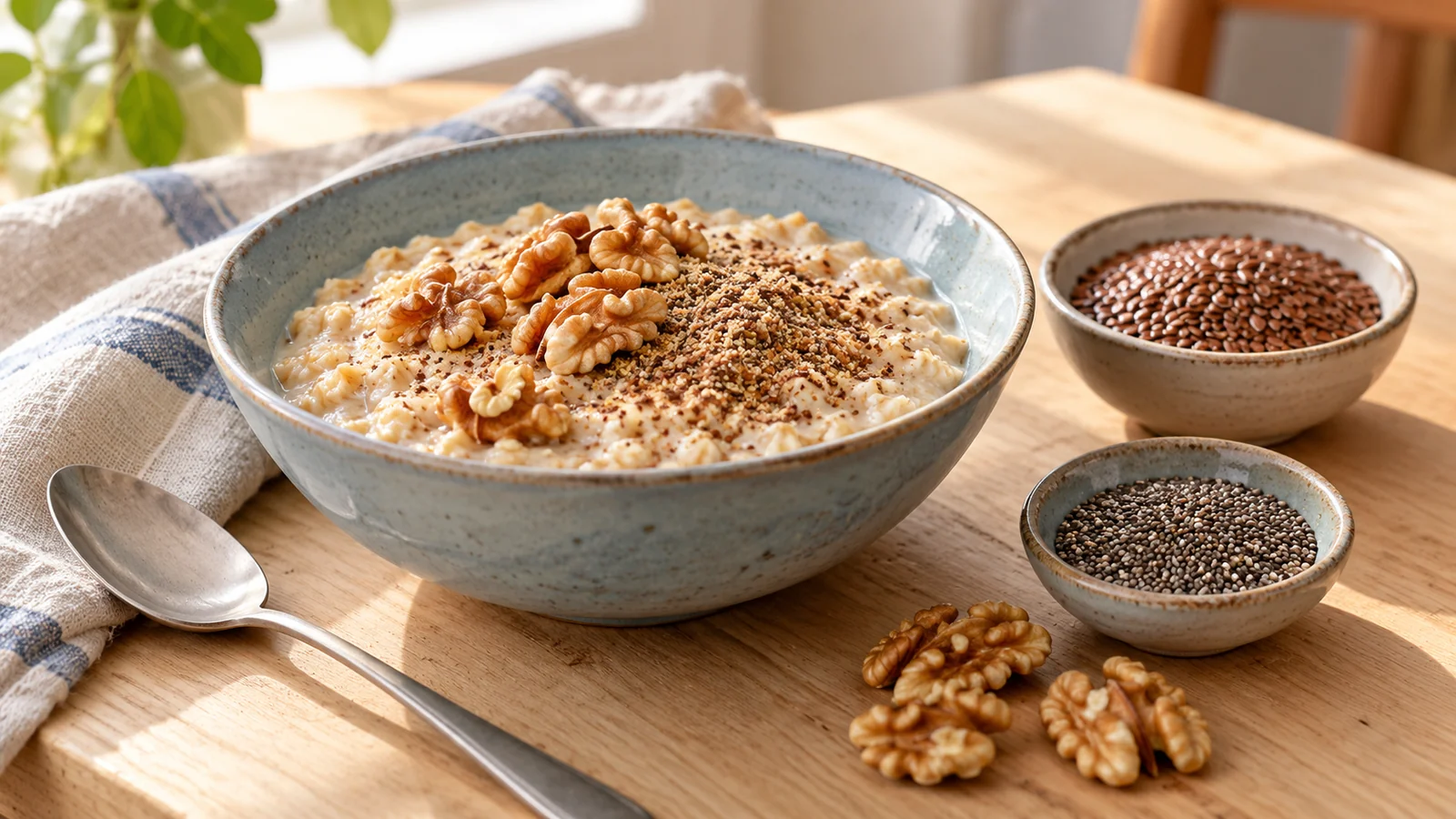
Walnuts and flaxseeds supply ALA, one type of omega-3 fat. Your body can turn some ALA into two other types, EPA and DHA, but only limited amounts are made. Algae-derived supplements provide vegan options for these longer-chain fats. [7] [26]
You could add walnuts to porridge or use flaxseed in a meal you enjoy. I don't cook with added oil, so these whole-food sources fit how I eat. Whether you would benefit from an algae supplement depends on your needs. A dietitian can help you consider that, especially during pregnancy or when you need tailored advice.
What about zinc and selenium?
Beans, nuts and wholegrains contain zinc. Some natural compounds in plants, called phytates, can reduce how much zinc you absorb. Preparation methods such as soaking beans and grains before cooking can help. [20] Follow the packet's preparation and cooking instructions for the ingredient you buy.
Selenium in plant foods varies with growing conditions, including the soil. Brazil nuts can contain high and variable amounts, so a fixed number of nuts isn't a precise daily dose. [21] If you're concerned about intake, a dietitian can look at your usual foods and any supplements together.
Can I choose organic plant milk?
You can choose an organic plant drink for its taste and growing standards, but plan separately for nutrients it doesn't supply. The UK's 2025 scientific advisory assessment explains that organic plant drinks cannot be fortified under organic rules. It recommends fortified, unsweetened drinks as milk alternatives and does not consider unfortified drinks nutritionally equivalent replacements. [14]
If you choose an unfortified plant drink, make a separate plan for calcium, B12 and iodine through suitable foods and supplements.
You don't have to choose the same drink as me. Check protein and added nutrients on the carton you actually buy, because products differ. [4] The plant milk guide can help you compare options. If you're replacing several dairy foods at once, a dietitian can help you review the whole day's intake.
What should I look for on a food label?
Start with the amount per 100g or 100ml, then work out what your portion provides. A manufacturer's suggested portion may differ from the amount you eat. [12] If a packet gives both dry and cooked values, use the column that matches what you are measuring.
For a hypothetical example, a drink containing 3g of protein per 100ml would provide 6g in 200ml. A different drink containing 0.5g per 100ml would provide 1g in the same volume. These are arithmetic examples, not values assigned to a brand or a particular type of plant drink.
Check added vitamins and minerals as well as protein. Food Standards Scotland also advises comparing salt and saturated fat in alternatives. [4] An organic or vegan label doesn't tell you how much calcium or B12 is in a serving; look for those nutrients in the product information.
You don't have to inspect the entire shopping trolley at once. Start with a regular purchase, such as the drink used every morning. Make a note of the nutrients you want it to supply, then check again if you change brands or products.
A practical week of plant-based meals
Planning is what makes a week of cooking feel manageable for me. I work out the meals, then shop for the ingredients. Pick a couple of breakfasts and lunches you're happy to repeat and choose dinners around what you already have. The suggestions below leave portions and snacks for you to adapt.
Breakfasts and lunches
For breakfast, try porridge with fruit and walnuts, beans on wholegrain toast, or tofu on toast with tomatoes. Use the plant drink you prefer, remembering the separate calcium, iodine and B12 decisions above. You can repeat a breakfast that works while experimenting with dinner.
Lunch could be lentil soup with bread, a chickpea sandwich or a jacket potato with beans. Leftover dinner can fill the same role. If lunches are eaten away from home, decide whether you need a flask, access to a microwave or a meal that you enjoy cold before choosing recipes.
Dinners with shared ingredients
- Monday: chickpeas with potatoes, spinach and tomatoes, seasoned as a curry.
- Tuesday: wholewheat pasta with lentil, mushroom and tomato sauce.
- Wednesday: tofu with rice, broccoli and a ginger dressing.
- Thursday: a baked potato with white beans and cabbage salad.
- Friday: quick basic vegan dhal, served with rice and vegetables.
- Saturday: bean and vegetable stew with bread.
- Sunday: a meal chosen to use the vegetables and cupboard ingredients left from the week.
Swap the order to fit your diary. On a late evening, a prepared soup or dhal might suit you better than starting a new recipe. Keep a couple of seasonings you enjoy available so shared ingredients don't have to mean the same flavours all week.
Add your regular nutrient sources to the shopping list too. It is easy to remember the ingredients for a new curry while overlooking a B12 supplement that is nearly finished. Keep a note of the products you rely on so replacements don't get missed.
How I plan the shopping and make time for batch cooking
Before shopping, I plan the week's food. You could write the meals on paper or keep a note on your phone, then check what is already in the cupboard. Buy for those meals first. Choose organic if you want to and it fits the budget; ordinary supermarket ingredients can fill the same places in the plan.
Compare pack prices with the amount you expect to use. A larger bag can be inconvenient if storage is limited or you rarely cook that ingredient. Tinned beans might suit a quick dinner better than dried beans that need advance preparation. Follow the packet instructions for the form you buy.
Batch cooking is essential for me because it gives us a fast meal when there isn't time to cook. You could choose a soup, stew or lentil dish to make in extra portions. Decide where it will be stored first and follow the Food Standards Agency's guidance on chilling, freezing and defrosting, alongside product instructions. [23]
You don't have to prepare every meal for the week in one session. Start with one extra portion or a sauce for another evening. If your plans change, use it as a reminder of what you already have, then adjust the next shopping list.
Can sweet treats fit into how I eat?
I enjoy making sweet treats too. Date bars with nuts and seeds, dried mango and nice cream with kale are favourites. I don't buy sugar, but I do use dates or maple syrup in some things I make. I enjoy these as treats alongside regular meals.
If you're learning to cook this way, pick a treat you genuinely want to try and follow its recipe. There is no need to learn a new breakfast, dinner and baking method in the same weekend. Keep a note of what you liked and what you'd change.
Fibre and fluids as meals change
The UK adult fibre recommendation is 30g daily. Wholegrains, pulses, vegetables and fruit all contribute. [8] If you're adding much more fibre than you're used to, increase it gradually and keep drinking fluids. That can make the change more comfortable for your gut. [30]
NHS guidance suggests 6 to 8 cups or glasses of fluid daily as a general guide, with more sometimes needed during heat, prolonged activity or illness. Water, tea and coffee count. Fruit juice and smoothies should be limited to a combined 150ml daily. [9] Put a drink beside meals if that helps you remember, without treating the guide as a personalised fluid prescription.
What have plant-based doctors found in research?
I want to share research in a way that helps you decide what to do with it. What did people eat? What did the researchers measure? Was there support with cooking and making changes? Those questions make the findings more useful than a headline about the best diet.
Dr Neal Barnard: vegan diets and type 2 diabetes
In a 2006 trial involving 99 adults with type 2 diabetes, Dr Neal Barnard and colleagues compared a low-fat vegan diet with a diet based on American Diabetes Association guidance for 22 weeks. The authors reported:
"Both a low-fat vegan diet and a diet based on ADA guidelines improved glycemic and lipid control"
In plain language, both groups improved their blood-sugar and blood-fat measurements. The vegan group lost more weight. For HbA1c, a measure used to assess blood sugar over time, the difference between diets was not statistically clear when everyone was included. It was clearer in the subgroup whose medications had not changed. [27] This is encouraging research on dietary treatment, with results that need that context. If you take diabetes medication, involve your care team when making substantial dietary changes.
Dr Hana Kahleová: how the body responds to insulin
A 2020 trial led by Dr Hana Kahleová, with Dr Barnard among the authors, assigned 244 adults with overweight to a low-fat vegan diet or to continue their usual diet for 16 weeks. The vegan group lost weight and improved measures of insulin sensitivity, meaning how well the body responds to insulin. [28]
Participants in the vegan group had weekly classes and cooking demonstrations, and took B12. The comparison group was not asked to adopt another healthy dietary programme. [28] The findings support further use and study of that specific approach, while leaving open how it would compare with other supported diets or work over several years.
Dr Dean Ornish: a whole lifestyle programme
Dr Dean Ornish's five-year Lifestyle Heart Trial randomised 48 people with coronary heart disease. Thirty-five completed the follow-up scans of their heart arteries. The intervention combined a low-fat whole-food vegetarian diet with exercise, stress management, smoking cessation and group support. The authors reported:
"More regression of coronary atherosclerosis occurred after 5 years than after 1 year"
This describes a reduction in measured narrowing of the heart arteries in the intervention group. The programme also recorded fewer cardiac events than usual care. It was a small study of combined lifestyle changes, so we cannot give diet alone all the credit or call the tested diet strictly vegan. [29] Support with cooking, activity and everyday habits can be part of a practical lifestyle approach.
What about nutrients and cholesterol?
The review by Neufingerl and Eilander found that plant-based groups generally consumed more fibre, while intake or status of several nutrients, including B12 and iodine, was lower. [10] That is why this guide puts enjoyable meals and reliable nutrient sources together.
A separate 2023 trial by Landry and colleagues assigned 22 pairs of identical adult twins to healthy vegan or healthy omnivorous diets for eight weeks. The authors reported that a:
"healthy vegan diet led to improved cardiometabolic outcomes"
Those outcomes included a greater fall in LDL cholesterol, often called bad cholesterol, in the vegan group. Meals were supplied for the first four weeks. This short trial measured changes linked to heart and metabolic health, rather than whether people later had fewer heart attacks. [11]
Does this research tell me which farm to buy from?
Nutrition trials and farming research answer different questions. Poore and Nemecek's 2018 environmental analysis covered approximately 38,700 farms and found large differences between producers of the same food. [22] It supports asking about production methods, but does not verify a particular farm's claims or establish that its food is more nutritious.
How I found my way to plant-based eating
My husband and I had a lot to learn. Reading labels, understanding hidden ingredients and working out what to cook took time. Reading How Not to Die and The China Study helped us understand more about whole-food plant-based eating. I began learning about nutrition and documenting things I discovered along the way.
As the way I ate changed, I felt better and better. That is my experience, rather than a promise about someone else's health. It is also why I care about making this information useful. I remember what it felt like to have plenty of questions and a shopping list that suddenly needed rethinking.
I am the main cook at home, and I love finding a new recipe or making something different. In summer, I enjoy salads full of colour and as many different vegetables as I can bring together. In winter, soups and stews are favourites. Curries, Thai flavours and ramen have a place too. That enjoyment of food is what I want to share alongside the research.
A few more questions you might have
Do I need expensive powders or specialist foods?
You can make these meals with familiar foods such as oats, potatoes, lentils and tinned beans. Pulses and soya foods are useful protein options. [4] Before buying a powder, think about what it would help with. A protein product and a B12 supplement have different purposes.
What if beans make me feel bloated?
Try adding them gradually instead of changing several meals at once. UCLA Health's doctors explain that increasing fibre can increase gas, and suggest giving your gut time to adjust while keeping up fluids. [30] You might start with a smaller amount of beans in a meal you already enjoy. If symptoms are persistent, painful or worrying, speak to your GP rather than forcing yourself to continue.
Do all my meals have to be cooked from scratch?
Tinned pulses and frozen vegetables can help you put a meal together. For a quick dinner, warm beans with tomatoes and serve with toast or a baked potato. Or use one of the meals you batch cooked earlier. Having a plan for a busy evening is more useful than expecting yourself to want to cook every day.
What if I try it and go back to my old meals?
You've still tried something and learned from it. I'd want to know what you enjoyed, what was difficult and what made you change back. How did you feel while trying it, and how do you feel now? Those answers can help you choose what would make the next attempt easier.
My husband and I had what we called Free Fridays or Beige Fridays early on. We left room for familiar processed foods or meat while we were learning. We noticed that we didn't feel well after those meals, and my husband eventually decided he didn't want to keep doing it. That was our experience; I wouldn't use it to judge someone else's pace or food choices.
If time was the difficulty, try having a prepared meal available. If you disliked the food, choose a different recipe or keep part of a familiar meal while changing one ingredient. You can build on the part that worked.
What could I change first this week?
Choose one breakfast and one dinner you'd like to try, then buy what you need for them. If you are removing animal foods altogether, arrange your B12 source at the same time. [3] Once those meals feel familiar, add another option. You can keep a favourite recipe in rotation while trying something new alongside it.
When to get advice tailored to you
Pregnancy, breastfeeding and childhood need particular care when planning a vegan diet. [2] Seek advice from a registered dietitian for those circumstances, or if allergies, a medical condition or an unusually restricted range of foods makes general meal ideas difficult to use.
Unintended weight loss, poor appetite or persistent weakness deserve attention rather than another generic menu. The NHS advises seeing a GP if you are concerned about malnutrition. [24] Take a note of your usual food and supplements to an appointment so the conversation can address what you actually eat.
For your next shop, choose a meal you want to make, check the ingredients and think about when you'll cook it. The protein and plant milk guides are there when those questions come up. Small changes at a time, with meals you enjoy, give you something practical to build on.