Vitamins and minerals help your body do the things you rarely have to think about: carry oxygen, repair tissues, move muscles and send messages along nerves. Getting enough matters long before a nutrient becomes the subject of a supplement advert. [1] [2]
What I find useful is connecting those jobs with the food on the plate. A spoonful of seeds, beans in a soup or a pepper alongside lunch can contribute something different. Once you understand those connections, choosing what to eat becomes more interesting and a little less confusing.
This guide explains all 13 vitamins and the main minerals, with plant-based food sources and realistic ways to use them. There is also information about possible deficiency symptoms. You can use it whether you eat entirely plant-based meals or are beginning to add more plants.
It is written for adults. Pregnancy, childhood, medical conditions and some medicines change nutrition needs, so those situations deserve individual advice. Start with the foods you already enjoy and the areas where a small change would help.
What do vitamins and minerals actually do?
They are often called micronutrients because you need relatively small amounts. That describes the quantity, rather than how much they matter. Minerals help build structures such as bones and form parts of hormones and enzymes. Enzymes are proteins that help chemical reactions happen. Vitamins support many of those reactions and other essential functions. [3] [2]
There are 13 recognised vitamins: A, C, D, E, K and eight B vitamins. A, D, E and K are fat-soluble, meaning dietary fat helps you absorb them. The B vitamins and vitamin C are water-soluble and need regular replenishment. B12 is an important exception to the idea that water-soluble vitamins cannot be stored: the body can hold substantial reserves. [3]
Minerals include calcium, magnesium and potassium, needed in larger quantities, and trace minerals such as iodine and selenium, needed in smaller amounts. Trace does not mean optional. A small amount of iodine is essential for making thyroid hormones, for example. [2] [4]
These nutrients also work alongside enough food overall, protein and essential fats. A vitamin tablet cannot make a very restricted diet nutritionally complete. My balanced plant-based diet guide explains that wider picture. [5]
Can symptoms tell me which nutrient I am missing?
Symptoms can be a reason to investigate, but they cannot identify a deficiency on their own. Tiredness, a sore tongue or weakness can occur with several nutrient deficiencies. Some people have low nutrient levels without noticeable symptoms, while others need further investigation despite an apparently reassuring initial result. Your symptoms and medical history matter alongside testing. [6]
“It's also important for your symptoms to be taken into account when a diagnosis is made.”
Clinical guidance on investigating B12 and folate deficiency [6]
There is also a difference between a diet that could provide more of a nutrient and a diagnosed deficiency. You can improve your meals without being unwell. A confirmed deficiency may need treatment as well as changes to food, especially when absorption problems or blood loss are involved. [7] [8]
Read the symptoms below as examples of what deficiency can involve, rather than a checklist for diagnosing yourself. If you recognise a persistent problem, note when it started and arrange appropriate medical advice. Please do not wait for a dietary change to work if you develop new numbness, pins and needles or balance problems. B12-related nerve problems need prompt assessment. [9]
Which foods help with which nutrients?
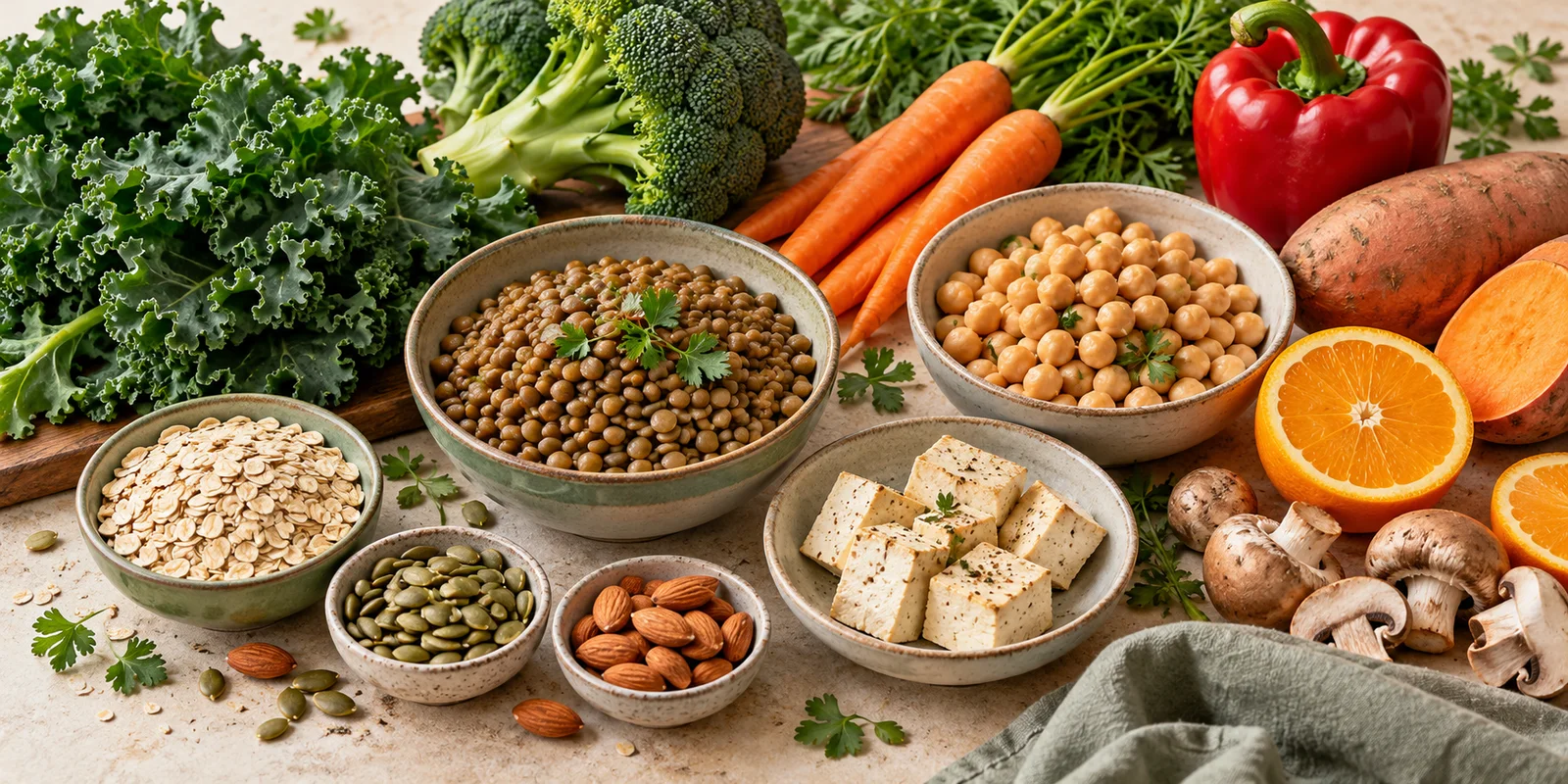
A useful place to start is your usual shopping list. Several familiar foods contribute to more than one nutrient, so you can make progress without buying a cupboard full of specialist ingredients. The examples below are starting points, not nutritionally equivalent swaps or a complete daily prescription.
| Food to consider | Nutrients it can contribute | An easy place to use it |
|---|---|---|
| Lentils, chickpeas and beans | Folate, iron, magnesium and zinc. [10] [11] [12] [13] | Soup, chilli, curry, a sandwich filling or a familiar sauce. |
| Kale, broccoli and other greens | Vitamin K and folate; some greens also provide useful calcium. [14] [10] [15] | Add greens to a stew or serve them alongside the main meal. |
| Carrots, squash and sweet potatoes | Beta-carotene, which can become vitamin A. [16] | Soup, mash, tray-baked vegetables or a curry. |
| Peppers, oranges, kiwi and berries | Vitamin C. [17] | Include some with an iron-containing meal. |
| Oats, wholegrain bread and brown rice | Thiamin, magnesium and manganese. [18] [12] [19] | Breakfast, a sandwich or the base of a bowl meal. |
| Almonds, sunflower and pumpkin seeds | Vitamin E or magnesium, depending on the food. [20] [12] | Sprinkle on porridge or use in a dressing or snack. |
| Calcium-set tofu | Calcium; the amount depends on the product. [15] | Scramble, noodles, curry or a soup. |
| Appropriately fortified foods | B12, calcium, vitamin D or iodine where the label lists them. [21] | Check your usual plant drink or breakfast cereal. |
Choose organic if it fits your preferences and budget. Affordable non-organic produce belongs in these meals too. Frozen vegetables and tinned pulses can make planning easier. The aim is to find ingredients you can keep using, rather than make shopping feel like a test. [22]
The 13 vitamins: jobs, foods and possible signs of deficiency
You can jump to A, C, D, E, K, B1, B2, B3, B5, B6, B7, B9 or B12.
Vitamin A: vision and healthy tissues
Vitamin A
Supports eyesight and healthy tissues
Find it in
- Carrots
- Sweet potatoes
- Spinach
Try carrot and lentil soup.
Sources [16]Vitamin A supports normal vision, immune function and growth. Plant foods provide carotenoids such as beta-carotene, which your body can convert into vitamin A. Preformed vitamin A, called retinol, is a different form found in animal foods and some supplements. [16]
Look at carrots, sweet potatoes, squash, spinach and mango. A carrot and lentil soup or a baked sweet potato with beans would be an easy place to start.
Deficiency can affect vision in dim light and, if severe, damage the eyes. Changes in vision deserve assessment rather than a guess about which supplement to buy. Food sources of beta-carotene should also be distinguished from high-dose supplements, which have caused harm in trials involving smokers. [16]
Vitamin C: repair, collagen and helping with iron
Vitamin C
Helps repair tissues and absorb plant iron
Find it in
- Peppers
- Oranges
- Broccoli
Add pepper to a bean salad.
Sources [17]Vitamin C helps make collagen, a structural protein needed in tissues and wound healing. It also supports immune function and helps you absorb iron from plant foods. Peppers, kiwi, citrus fruit, strawberries, broccoli and potatoes can all contribute. [17]
I would make that connection useful at mealtimes: add pepper to a bean salad, have kiwi with breakfast, or include broccoli with lentils.
Severe deficiency causes scurvy, which can involve bleeding gums, poor wound healing, fatigue and small red or purple skin spots. Those symptoms need investigation. Some vitamin C is lost during storage and cooking, so include some fresh fruit or raw vegetables alongside the cooked foods you enjoy. Brief steaming is another option. [17]
Vitamin D: using calcium and supporting muscles
Vitamin D
Helps your body use calcium
Options to consider
- Fortified drinks
- UV-exposed mushrooms
- Suitable supplement
Plan vitamin D separately from how many vegetables you eat. See the UK advice below.
Sources [23] [24]Vitamin D helps your body absorb calcium and supports bones, muscles and other functions. Food options are limited: some fortified plant drinks and cereals provide it, and mushrooms exposed to ultraviolet light can contain more than ordinary mushrooms. Check the label rather than assuming all mushrooms supply the same amount. [23]
In the UK, adults should consider a daily 10 microgram supplement during autumn and winter. Some people need supplementation throughout the year, including those with little sun exposure; people with darker skin should also consider year-round supplementation. This applies across dietary patterns. [24]
Deficiency can cause bone pain and muscle weakness, and prolonged deficiency can soften bones. Eating greens cannot replace a reliable vitamin D plan. My vitamin D guide explains sunlight, vegan D2 and D3 choices, and common questions in more detail. [23]
Vitamin E: protecting cells
Vitamin E
Helps protect your cells
Find it in
- Almonds
- Sunflower seeds
- Hazelnuts
Sprinkle sunflower seeds over porridge.
Sources [20]Vitamin E helps protect cells from oxidative damage and supports immune function. Oxidative damage involves reactive molecules that can affect cell components; calling vitamin E an antioxidant describes one of its roles, rather than a promise that extra supplements prevent disease. [20]
Almonds, hazelnuts, peanuts and sunflower seeds are useful foods to consider. Try sunflower seeds on porridge, almonds with fruit, or a nut or seed butter in a dressing. These options fit meals made without added oil.
Deficiency is rare in otherwise healthy people and is more associated with conditions affecting fat absorption. It can cause muscle weakness, nerve problems and changes in vision. Large vitamin E supplements are not a routine substitute for including these foods, and can increase bleeding risk. [20]
Vitamin K: blood clotting and bone proteins
Vitamin K
Supports blood clotting and bone health
Find it in
- Kale
- Broccoli
- Spinach
Stir greens into soup. If you take warfarin, keep vitamin K intake consistent.
Sources [14]Vitamin K is needed for normal blood clotting and has roles in bone health. Leafy vegetables such as kale, spinach and lettuce, as well as broccoli, provide vitamin K. K1 and K2 are forms within this vitamin group, rather than two extra vitamins to add to the list. [14]
Try a handful of greens in soup, shredded cabbage with lunch or broccoli alongside dinner.
Severe deficiency can cause unusual bruising or bleeding. It is uncommon, and unexplained bleeding should not be managed by simply eating more greens. If you take warfarin, aim for a consistent vitamin K intake and discuss major dietary changes with your anticoagulation team. You do not usually need to avoid green vegetables altogether. [14]
B1, or thiamin: releasing energy from food
Thiamin
Helps release energy from food
Find it in
- Whole grains
- Beans
- Seeds
Try porridge with seeds or beans on wholegrain toast.
Sources [18]Thiamin helps your body use food for energy and supports normal cell function. Whole grains, beans, nuts and seeds can provide it. Choosing wholegrain bread or adding beans to a meal gives you a practical place to include it regularly. [18]
For breakfast, porridge with seeds is one option. At dinner, try brown rice with beans or use some lentils in a familiar sauce.
Deficiency can cause appetite loss, weakness, confusion and nerve or heart problems. Risk is higher in some situations, including alcohol dependence and after certain weight-loss operations. Severe deficiency needs medical treatment; an energy drink or a change of breakfast would not be sufficient. [18]
B2, or riboflavin: everyday cell function
Riboflavin
Helps your cells use food for energy
Find it in
- Mushrooms
- Spinach
- Fortified cereals
Add mushrooms and spinach to a tofu scramble.
Sources [25]Riboflavin helps cells function and helps release energy from food. Mushrooms, spinach and fortified cereals can contribute. If a plant drink is part of your routine, check whether riboflavin or B2 appears on the label; fortification varies between products. [25] [26]
Mushrooms in a tofu scramble or spinach stirred into a chickpea curry are easy ways to use those foods. A product that supplies calcium does not automatically supply B2 as well.
Deficiency can involve cracks at the corners of the mouth, swollen or cracked lips, skin changes and a sore throat. These problems also have other causes. Persistent mouth symptoms are a reason to seek advice rather than assume you have identified a particular vitamin shortage. [25]
B3, or niacin: energy metabolism
Niacin
Supports energy metabolism
Find it in
- Nuts
- Pulses
- Grains
Try a peanut dressing with a noodle bowl.
Sources [27]Niacin supports energy metabolism, which means the reactions through which your body uses food. It also supports normal cell function. Nuts, pulses and grains provide niacin, and your body can make some from tryptophan, an amino acid in protein. [27]
Try a peanut dressing with noodles, beans on wholegrain toast or a grain and chickpea bowl.
Severe deficiency causes pellagra, which can involve a sun-sensitive rash, digestive problems and changes in thinking or behaviour. It is uncommon in well-nourished populations. High-dose niacin products are a separate matter from food and can cause flushing or more serious harm; they are not a general treatment for feeling tired. [27]
B5, or pantothenic acid: processing fats and food energy
Pantothenic acid
Helps process fats and food energy
Find it in
- Mushrooms
- Chickpeas
- Oats
Use mushrooms and chickpeas in a warming stew.
Sources [28]Pantothenic acid helps your body make and break down fats and use energy from food. It is widely distributed in foods, including mushrooms, potatoes, oats, brown rice, chickpeas, peanuts and sunflower seeds. [28]
A mushroom and chickpea stew with potatoes would include several of those foods.
Severe deficiency is very rare. It can include extreme tiredness, digestive symptoms, and numbness or burning in the hands and feet. Those symptoms have many possible causes and need assessment. [28]
B6: enzyme reactions and the nervous system
Vitamin B6
Supports enzyme reactions and brain development
Find it in
- Chickpeas
- Potatoes
- Bananas
Fill a baked potato with chickpeas.
Sources [29] [30]Vitamin B6 is involved in more than 100 enzyme reactions, including reactions that process nutrients. It also supports brain development and immune function. Potatoes, other starchy vegetables and many fruits provide it; chickpeas are another useful option. [29] [30]
A jacket potato with chickpeas or a banana alongside breakfast gives you a simple starting point.
Deficiency can cause anaemia, a swollen tongue, cracks around the mouth, skin changes and confusion. Excessive B6 from supplements can itself damage nerves. Check the combined amounts if you take a multivitamin alongside a B complex or a product marketed for stress. More B vitamins are not automatically more helpful. [29]
B7, or biotin: using fats, carbohydrates and protein
Biotin
Helps process fats, carbohydrates and protein
Find it in
- Sunflower seeds
- Almonds
- Sweet potatoes
Try a baked sweet potato with a seed dressing.
Sources [31]Biotin helps enzymes process components of food. Plant sources include sunflower seeds, almonds and sweet potatoes. A baked sweet potato with a seed dressing is one way to bring those foods together. [31]
Biotin is often marketed for hair and nails, which can make it sound as though everyone with brittle nails needs more. True deficiency is uncommon, and evidence for supplements improving hair or nails in people without deficiency is limited.
Deficiency can include hair loss and skin rashes, but neither symptom is specific to biotin. High-dose biotin also interferes with some blood tests, including certain thyroid and heart-related tests. Tell the person arranging a test about any hair, skin or nail supplements you take. Let them advise whether anything needs changing before the test. [31]
B9, or folate: making new cells
Folate
Helps cells divide and make DNA
Find it in
- Leafy greens
- Asparagus
- Beans
Try a lentil and spinach soup.
Sources [10]Folate helps make DNA and supports cell division. Leafy greens, asparagus, Brussels sprouts, beans, peas and oranges can contribute. Folic acid is a form used in supplements and fortified foods. [10]
Think of a lentil and spinach soup, beans with greens, or peas added to a meal you already make. These foods give you several ways to include folate through the week.
Deficiency can cause anaemia, with weakness, tiredness, difficulty concentrating or a sore mouth. If pregnancy is possible or planned, food alone does not replace the recommended folic acid supplement. UK advice is 400 micrograms daily from before pregnancy through the first 12 weeks. Some people need a prescribed higher dose, so discuss your situation with a midwife, pharmacist or GP. [10] [32]
B12: blood cells and nerve health
Vitamin B12
Supports blood cells and healthy nerves
Reliable sources
- Reliable supplement
- B12-fortified foods
- Fortified nutritional yeast
Unfortified plant foods are not a reliable B12 source. Check labels and your supplement schedule.
Sources [33] [34]B12 supports red blood cell formation and the nervous system. Ordinary unfortified plant foods are not a reliable source. On a fully plant-based diet, plan a dependable supplement or an appropriate regular intake of B12-fortified foods. Nutritional yeast only counts if the product has B12 added. [33] [5]
Dr Michael Greger's nutrient recommendations include specific B12 schedules. Supplement doses differ from daily food-intake targets because the way B12 is absorbed matters. My B12 guide helps explain that difference. [34]
Deficiency can cause fatigue, a sore tongue, pins and needles, numbness, memory changes or balance problems, sometimes without anaemia. People eating animal foods can also become deficient because of absorption problems. Seek assessment promptly for possible neurological symptoms. A large salad does not supply the missing B12, however varied it is. [9] [7]
The minerals your body needs
Start with calcium, iron, magnesium, potassium, zinc, iodine, selenium, phosphorus, copper, manganese, molybdenum or sodium and chloride.
Calcium: bones, muscles and nerves
Calcium
Supports bones, muscles and nerves
Find it in
- Calcium-set tofu
- Calcium-fortified drinks
- Kale or bok choy
Check the tofu packet and drink label for calcium.
Sources [15] [35]Calcium builds and maintains bones and teeth and helps muscles and nerves work. Dairy is a familiar source, but it is not the only one. Calcium-set tofu, calcium-fortified plant drinks, kale, broccoli and bok choy can help. [15]
Check the tofu packet and your usual drink rather than relying on the food's name. Spinach contains calcium, but much of it is poorly absorbed, so it should not be your main calcium plan. [35]
Long-term low intake can weaken bones without an obvious early symptom. Waiting for aches or cramps is therefore not a reliable way to judge whether you eat enough. Include deliberate calcium sources across the day. The calcium article has more help with choosing foods and understanding absorption. [15]
Iron: carrying oxygen around your body
Iron
Helps blood carry oxygen
Find it in
- Lentils
- Beans
- Tofu
Pair plant iron with vitamin C, such as peppers or broccoli.
Sources [11] [36]Iron helps make haemoglobin, the protein in red blood cells that carries oxygen. Plant sources of non-haem iron include beans, lentils, peas, tofu, nuts and fortified cereals. Pairing these with vitamin C helps absorption. [11] [36]
Try lentils with tomatoes and peppers, or chickpeas with broccoli. If iron is a concern, drink tea or coffee between meals rather than alongside them, as they can reduce absorption. [36]
Iron-deficiency anaemia can cause tiredness, paleness, breathlessness or palpitations. Heavy periods and other blood loss are possible causes, so symptoms should not automatically be blamed on eating less meat. Arrange a check rather than starting high-dose iron yourself. My iron guide explains food combinations, testing and supplements. [8]
Magnesium: muscle function and hundreds of reactions
Magnesium
Supports muscle, nerve and enzyme function
Find it in
- Pumpkin seeds
- Almonds
- Beans
Add pumpkin seeds to breakfast or beans to soup.
Sources [12]Magnesium helps with energy production, normal muscle and nerve function, and many enzyme reactions. Pumpkin seeds, almonds, cashews, beans, spinach, oats and brown rice can contribute. [12]
Think about adding a spoonful of pumpkin seeds to porridge, beans to a soup or brown rice alongside a curry.
Deficiency can involve poor appetite, nausea, fatigue and weakness, with cramps or abnormal heart rhythms in more severe cases. A cramp alone cannot diagnose low magnesium. Symptomatic deficiency from diet alone is uncommon in otherwise healthy people, while some illnesses and medicines increase risk. If you have kidney disease, get advice before taking magnesium supplements. [12]
Potassium: fluid balance, muscles and nerves
Potassium
Supports fluid balance, muscles and nerves
Find it in
- Potatoes
- Lentils
- Bananas
Try a jacket potato with beans. Follow individual advice if you have kidney disease.
Sources [37]Potassium helps cells maintain fluid balance and supports nerve signals and muscle contractions. Bananas are one source, but lentils, beans, potatoes, squash, tomatoes and other fruits and vegetables also contribute. [37]
A jacket potato with beans is a useful reminder that familiar meals count here.
Low blood potassium can cause constipation, weakness and, in severe cases, dangerous heart-rhythm problems. It is often connected with losses, medicines or illness rather than simply missing a particular food. Kidney disease and some medicines can instead make potassium too high. If you have been told to limit it, follow your individual advice; potassium supplements and potassium-based salt substitutes need particular care. [37]
Zinc: healing, growth and immune function
Zinc
Supports wound healing and immune function
Find it in
- Beans
- Wholemeal bread
- Nuts
Use a mixed-bean filling in a wholemeal sandwich.
Sources [13] [38]Zinc supports normal immune function, wound healing, protein production and taste. Beans, lentils, whole grains, nuts and seeds are foods worth including regularly. [13] [38]
Try a mixed-bean filling in wholemeal bread, lentils in soup or seeds in a dressing. Bread-making processes such as leavening can improve zinc availability; you do not need to remove whole grains from your diet because they contain phytates. [38]
Deficiency can cause poor wound healing, changes in taste, hair loss or more infections. These symptoms also have other explanations. High-dose zinc supplements can interfere with copper absorption, so routinely taking large amounts to support immunity can create another problem. My zinc guide goes into food sources and absorption in more detail. [13] [39]
Iodine: making thyroid hormones
Iodine
Helps make thyroid hormones
Reliable options
- Iodine-fortified drinks
- Suitable supplement
Check specifically for iodine. Seaweed and kelp can provide excessive, unpredictable amounts.
Sources [4] [40]Iodine is needed to make thyroid hormones, which help regulate metabolism and support development. It deserves a deliberate plan when dairy, eggs and fish are absent. Most ordinary plant foods are unreliable sources. [4]
Some plant drinks have iodine added, but many do not. Check specifically for iodine on the label. A suitable supplement may be more dependable if fortified foods are not a regular part of your diet. Kelp can provide excessive and unpredictable amounts, and increasing salt is not a sensible way to solve the problem. [40]
Deficiency can cause thyroid enlargement and affect thyroid function. Tiredness alone does not identify iodine deficiency, and too much iodine can also disrupt the thyroid. If you already have thyroid disease, ask for individual advice before supplementing. See the iodine guide for the practical options. [4] [40]
Selenium: thyroid function and protective enzymes
Selenium
Supports thyroid function and protective proteins
Find it in
- Grains
- Beans or lentils
- Nuts
Amounts vary with soil. Brazil nuts are concentrated sources, so more is not always better.
Sources [41]Selenium supports thyroid function and proteins involved in protecting cells. Grains, beans, lentils and nuts contribute, but the amount in plants depends partly on the soil where they grew. [41]
Brazil nuts can be very concentrated sources. Their selenium content varies, so a fixed number of nuts is not a precise daily dose. Avoid treating a large handful as a routine supplement, especially alongside a selenium-containing multivitamin.
Deficiency can affect thyroid-related processes and, in severe circumstances, contribute to particular heart or joint diseases. There is no simple everyday symptom checklist that reliably identifies it. Excess selenium can itself cause tiredness, hair loss and brittle nails. This is a nutrient where getting enough and taking more are very different aims. [41]
Phosphorus: bones, cells and energy transfer
Phosphorus
Supports bones, cells and energy transfer
Find it in
- Pulses
- Nuts
- Grains
Include familiar foods such as porridge or a bean stew.
Sources [42]Phosphorus is part of bones, teeth, DNA and cell membranes. It also forms part of ATP, a molecule cells use to transfer energy. Beans, lentils, nuts, seeds and grains provide it. [42]
You may already include several sources in porridge, a bean stew or a tofu and grain meal. Most people do not need to seek a separate phosphorus supplement.
True deficiency is uncommon and is rarely explained by low intake alone. It can involve weakness, bone pain or confusion in medical situations. People with kidney disease may instead need to manage excess phosphate. That requires individual dietary guidance, rather than applying a general instruction to increase every mineral. [42]
Copper: connective tissues and the nervous system
Copper
Supports connective tissues and nerves
Find it in
- Cashews
- Sesame seeds
- Tofu
Try a tahini dressing or a mushroom and tofu meal.
Sources [39]Copper supports connective tissues, energy production and nervous-system function. Cashews, sesame and sunflower seeds, whole grains, chickpeas, tofu, potatoes and mushrooms can provide it. [39]
A tahini dressing, chickpea filling or mushroom and tofu meal gives you a way to use these foods.
Deficiency is rare, but can involve marked tiredness, balance or coordination problems and effects on connective tissues. Malabsorption and excessive zinc supplementation can increase risk. New balance problems should be assessed rather than treated with a guessed mineral dose. [39]
Manganese: helping enzymes work
Manganese
Supports enzyme activity and bone formation
Find it in
- Oats
- Lentils
- Leafy vegetables
Build on foods you already enjoy, such as porridge and pulses.
Sources [19]Manganese supports enzyme activity, bone formation and other functions. Whole grains, oats, brown rice, hazelnuts, lentils, soya beans and leafy vegetables provide it. [19]
If you regularly eat porridge, pulses and some greens, you already have foods from this list to build on.
Deficiency is very rare and poorly suited to self-diagnosis. Reported effects include problems with bone growth and skin changes. Ordinary symptoms such as a difficult menstrual cycle or a rash do not establish manganese deficiency. A mineral being essential does not mean most people benefit from adding a concentrated supplement. [19]
Molybdenum: a small amount for specialised enzymes
Molybdenum
Helps specialised enzymes do their work
Find it in
- Pulses
- Whole grains
- Nuts
A varied mix of ordinary foods contributes this trace mineral.
Sources [43]Molybdenum helps enzymes process certain components of proteins and genetic material. Pulses, whole grains, nuts, potatoes and leafy vegetables can provide it. The amount varies with growing conditions. [43]
It is another reason a varied collection of familiar plant foods is useful. Beans on toast or a lentil meal can contribute without you needing to calculate molybdenum at dinner.
Nutritional deficiency is exceptionally rare. Rare inherited problems with using molybdenum are different from simply needing more of a food, so there is no helpful everyday list of mild symptoms to watch for. [43]
Sodium and chloride: essential electrolytes, usually not an invitation to add salt
Sodium and chloride
Help maintain fluid balance
Where they come from
- Salt
- Bread
- Prepared foods
Usually aim for less salt, not more. UK adults: no more than 6g salt daily, including salt in foods.
Sources [44] [45] [46]Sodium and chloride help maintain fluid balance, and sodium supports normal nerve and muscle function. Together they make sodium chloride, or ordinary salt. They belong among the minerals your body uses, even though many people need to reduce salt intake. [2] [44] [45]
UK adults are advised to have no more than 6g salt daily, including salt already in bread, sauces, stock and other foods. That is a maximum, not an amount to aim to add. Herbs, spices, garlic and lemon can help meals taste interesting with less salt. [46]
Low blood sodium is often a fluid-balance or medical problem, rather than proof you should eat more salt. It can cause headache, nausea or confusion. Seek urgent medical advice for new confusion, or significant ongoing vomiting or diarrhoea; do not try to correct an electrolyte problem with a guessed homemade mixture. [44]
What about sulphur, choline, fluoride and chromium?
Sulphur and cobalt: parts of other nutrients
Sulphur and cobalt
Sulphur is in proteins; cobalt is part of B12
Think about the wider nutrient
- Protein-containing foods
- Reliable B12 source
Plan protein and B12 rather than buying separate sulphur or cobalt supplements.
Sources [47] [33]Sulphur is part of amino acids used to make proteins. It is usually considered through protein intake rather than as a separate supplement target. Cobalt is needed as part of vitamin B12, not as a reason to take a separate cobalt product. [47] [33]
Choline: cell membranes and nerves
Choline
Supports cell membranes and nerves
Find it in
- Beans
- Broccoli
- Potatoes
Choline is an essential nutrient outside the usual vitamin and mineral groups.
Sources [48]Choline is an essential nutrient outside the usual vitamin and mineral categories. It supports cell membranes and the nervous system. Beans, soya foods, potatoes, broccoli and some grains can contribute. Very low intake can affect the liver and muscles, but it cannot be diagnosed from how you feel alone. [48]
Fluoride: protecting your teeth
Fluoride
Helps protect teeth from decay
Where it comes from
- Water
- Dental products
Fluoride toothpaste is for brushing, not swallowing. Ask your dentist about appropriate care.
Sources [49]Fluoride helps protect teeth from decay. Water and dental products are important sources of exposure; fluoride toothpaste is for brushing, not swallowing. Ask your dentist about appropriate dental care rather than adding fluoride supplements yourself. [49]
Chromium: why its status is different
Chromium
Its essential nutrient status is disputed
EFSA found insufficient evidence to establish a dietary requirement. A supplement is not an automatic next step.
Sources [50]Chromium appears on some older essential-mineral lists, but its essential status is disputed. The European Food Safety Authority found insufficient evidence to establish a dietary requirement. [50]
How much do I need, and what do the units mean?
Amounts depend on the nutrient, your age and sometimes your life stage or health. A milligram is written mg; a microgram is written mcg or µg. There are 1,000 micrograms in one milligram. Vitamin D labels sometimes use IU: 10 micrograms is 400 IU. These units are not interchangeable numbers. [1] [24]
For perspective, UK adult guidance gives 700mg calcium a day and 140 micrograms iodine. The Vegan Society's UK iron guidance distinguishes 8.7mg for non-menstruating adults from 14.8mg for menstruating adults. These are food-intake reference amounts, not instructions to buy tablets containing the same quantities. [35] [40] [36]
Portions matter. If a plant drink's label says 120mg calcium per 100ml, a 250ml serving supplies 300mg. Another drink may provide very little. The same principle applies to fortified cereals and nutritional yeast: check the product and the amount you actually eat. This is more useful than assuming a food name guarantees a nutrient.
You can explore individual requirements through the sources below. I would start by checking the few nutrients you are actively planning, rather than trying to hit every number in one sitting.
How can I help my body use the nutrients in food?
Combine foods that work well together
Vitamin C with non-haem iron is a useful example. A pepper in a bean wrap or broccoli with tofu can make the combination practical. If iron is a concern, move tea and coffee away from meals. [36]
Calcium and vitamin D also work together. Leafy vegetables do not remove the need to consider vitamin D, and a vitamin D tablet does not remove the need for calcium-containing food. [23]
Include some fat, even if you cook without oil
Fat-soluble vitamins are absorbed with dietary fat. Meals made without added oil can still contain fats from nuts, seeds, tahini or avocado. For example, you could dress carrots and greens with tahini or add a few seeds to a vegetable bowl. There is no need to make a whole-food diet completely fat-free. [3] [26]
Keep useful foods instead of fearing their chemistry
Phytates in grains and pulses can reduce absorption of some minerals, but those foods also supply minerals. Leavening bread and some other preparation methods can improve availability. You can use properly cooked beans and normal bread without trying to remove every phytate from your diet. [38]
Fortification is simply the addition of nutrients to a food. It can be useful when a food would otherwise provide little B12, iodine or calcium. In the UK, plant drinks labelled organic are unfortified, so check what your usual product supplies and plan other sources where needed. My plant milk guide explains the choices. [51]
What could this look like in a normal day?
I would use this as an example to adapt, rather than a meal plan that promises to meet everyone's requirements. Portions, product choices and your own needs still matter.
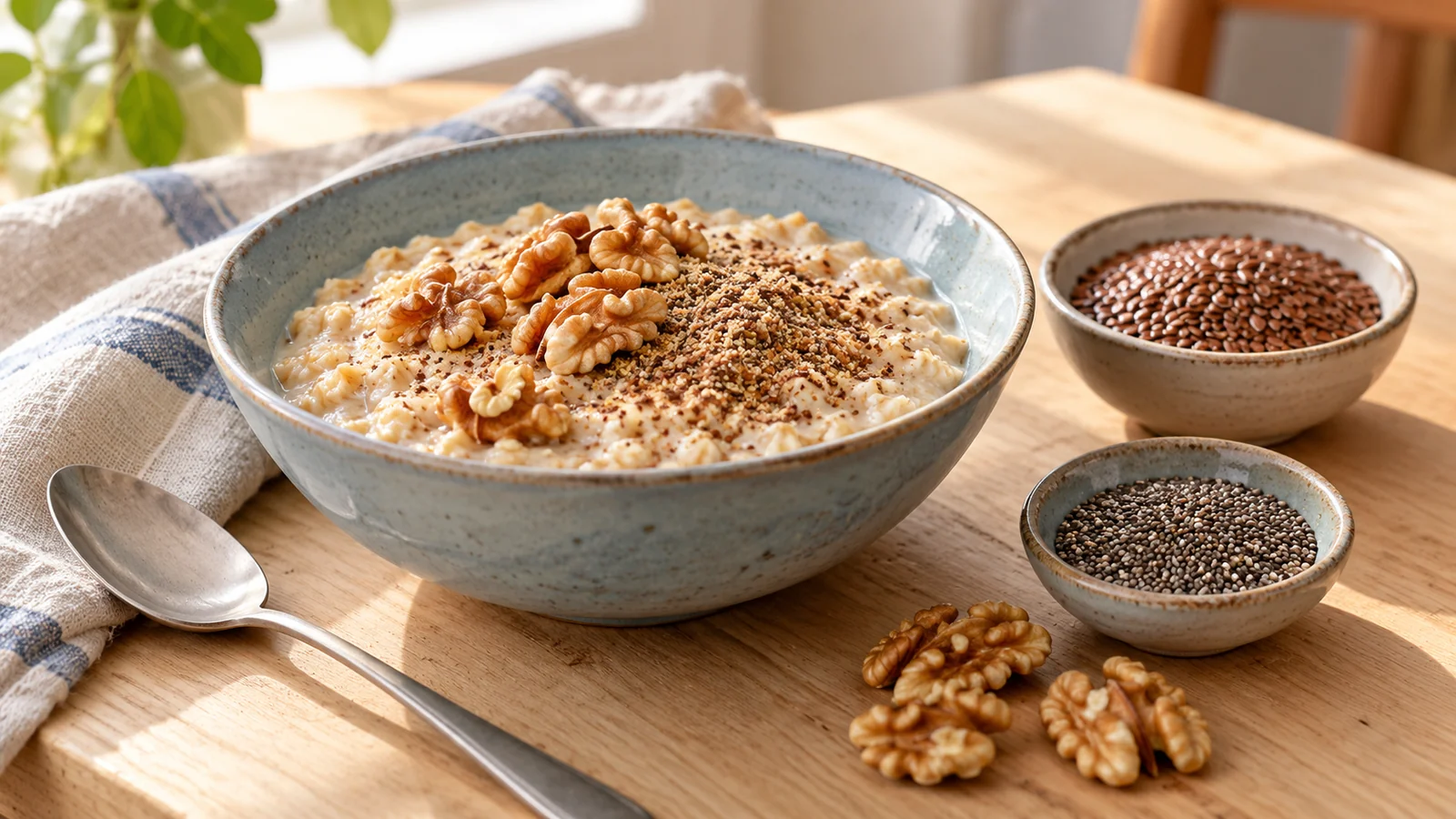
For breakfast, try porridge with a calcium-fortified plant drink, some sunflower or pumpkin seeds and fruit. Oats and seeds contribute minerals, while the drink's label tells you which nutrients have been added. Kiwi or berries can add vitamin C. [52]
Lunch could be lentil soup with carrots and kale, plus bread if you want it. Or fill a baked potato with beans and serve it with a pepper and tomato salad. These are ways to combine pulses, starchy foods and vegetables without preparing a separate dish for each nutrient. [52]
For dinner, think about a chickpea curry with greens, a tofu and broccoli noodle soup or a warm grain bowl. Choose calcium-set tofu if it is contributing to your calcium plan. A tahini dressing or a handful of nuts can provide some fat alongside the vegetables. [52]
Keep your reliable B12 source and vitamin D plan separate from the question of how colourful dinner looks. Iodine may also need a fortified food or supplement. You can eat a generous variety of plants and still miss a nutrient that is absent from those ingredients. [21]
A manageable way to begin this week
Look at one day you ate recently. Were there any beans, lentils or tofu? A calcium source? Some fruit and vegetables? Whole grains, nuts or seeds? Write down what was already there before deciding what to add.
Then choose one change. Put a tin of beans into a familiar soup, keep frozen greens ready for a curry or check the label on your usual plant drink. Planning the week's meals and buying the ingredients can make those choices easier on busy days. Batch cooking gives you something ready when starting from scratch is unlikely. [22]
If a change did not suit you, ask what made it difficult. Was it taste, cost, time or unfamiliar ingredients? Choose the next step around that answer.
When does food need some support?
Food and appropriate supplementation can belong in the same plan. On a fully plant-based diet, B12 needs a reliable source. Vitamin D needs consideration in the UK, and iodine is another nutrient to assess deliberately. Individual circumstances may call for other support. [21] [24]
A systematic review covering 141 studies found strengths and shortfalls across different eating patterns. Plant-based groups generally had higher intakes of several nutrients, including folate, vitamin C and magnesium, while B12, iodine and some other nutrients required attention. [53]
“There were nutrient inadequacies across all dietary patterns, including vegan, vegetarian and meat-based diets.”
Neufingerl and Eilander, systematic review, Nutrients [53]
The studies covered different populations and supplement habits, so those averages cannot tell you your own nutrient status. They do show why a diet's label is not enough to judge every person's intake.
Before buying a product, check what you already take. Combining a multivitamin with separate zinc, selenium or B vitamins can duplicate doses. High-dose B6 can damage nerves, excess zinc can interfere with copper, and too much selenium can cause harm. A pharmacist can help you check the combined amounts. [29] [39] [41]
During pregnancy or when planning a pregnancy, follow specific folic acid and vitamin D advice and avoid supplements containing retinol unless specifically directed by your clinician. A general adult guide should not be used to choose supplement doses for children. [32]
Research you can explore further
The reading list includes a small trial comparing B12 supplement schedules in people with marginal deficiency, a UK trial comparing D2 and D3 in fortified foods, and an older human study of bread fermentation and zinc absorption. These ask different questions about blood markers or absorption. They are useful routes into the subject, alongside current practical guidance, and do not establish that everyone needs extra supplements. [54] [55] [56]
What should I do if I think I might be running low?
Arrange advice for symptoms that persist, worsen or interfere with everyday life. Useful information to take includes what you usually eat, recent dietary changes, heavy periods or other bleeding, digestive problems, medicines and every supplement you use. These details can help identify what needs investigating. [8] [6] [7]
Your clinician may consider blood counts, iron-related tests, B12, folate or other tests according to your symptoms and history. There is no single result that replaces that whole assessment. Do not start a collection of high-dose products to see which one makes you feel different. [6] [8]
You can improve the food you eat while getting a concern checked. Keep a simple record of changes and questions. A registered dietitian can also help if your appetite is poor, your diet has become very restricted or a medical condition affects what you can eat. [5]
For your next shopping trip, choose a food you would enjoy using and decide which meal it will go into. Perhaps that is lentils for a warming soup, seeds for breakfast or greens for a curry. Understanding nutrients becomes much more useful when it helps you make something you want to eat.