Choosing a plant milk starts with what you want to use it for. You might want a drink for your morning coffee, something for porridge or an alternative for cooking. The carton you enjoy most may depend on the job you have in mind.
Nutrition needs a look too. Plant drinks vary considerably in what they provide, including the vitamins and minerals added to them. Check the label of the product you buy, particularly if it will replace a regular source of dairy. [2]
Organic hazelnut milk is my favourite, and I sometimes make plant milk when I have time. Your choice can be different. A shop-bought, non-organic drink is welcome here, and cost should not hold you back. I want to help you compare the options, understand fortification and find something that suits your kitchen and your budget.
Do I need to choose an organic plant drink?
You can use non-organic plant drinks in the meals and ideas here. I choose organic because growing methods matter to me, but I don't want cost to stop you making a change. Start with the options available within your budget.
If you want organic, look for certification. UK rules cover soil fertility, permitted pest-control methods and restrictions on growing inputs, with inspections as part of certification. [1] You can also ask a producer about sourcing if you want to understand more about its ingredients.
The calcium guide can help you plan other food sources if your usual drink is unfortified.
What does unfortified mean, and why does it matter?
Fortified means vitamins or minerals have been added to a food. Under UK organic rules, organic plant drinks cannot be fortified. The UK's 2025 scientific advisory assessment recommends fortified, unsweetened drinks as alternatives to cows' milk and does not consider unfortified drinks nutritionally equivalent replacements. [2]
If you choose an organic drink, make a separate plan for the nutrients it doesn't supply. Check where your calcium, B12 and iodine will come from across the rest of your diet.
How much you use also matters when reviewing your diet. Look at your usual breakfasts and drinks, then note where those nutrients will come from. The balanced plant-based diet guide can help you work through that. A dietitian can assess your choices if you are unsure whether they add up to enough.
Which type of plant drink should I try?
Start with what you want to use it for, then check the label. Soya and pea drinks generally provide more protein than oat, nut and coconut drinks, although products vary. [3] Try a small carton in your usual breakfast or hot drink before buying several packs.
| Type | A useful label check | A way to try it |
|---|---|---|
| Soya | Protein per 100ml | Porridge or a plain savoury sauce |
| Oat | Protein and sugars | Cereal or your usual coffee |
| Almond or another nut | Protein and ingredients | A small amount in a drink you enjoy |
| Pea | Protein and added nutrients | A breakfast bowl |
| Rice | Protein and sugars | Tea or porridge for an adult |
| Coconut-based carton drink | Protein and saturated fat | Hot chocolate or a breakfast bowl |
For rice drinks, note the under-five restriction explained below. If soya or a nut is unsuitable because of allergy, check the ingredients and allergen information on any alternative you consider.
Will a nut drink give me the protein in nuts?
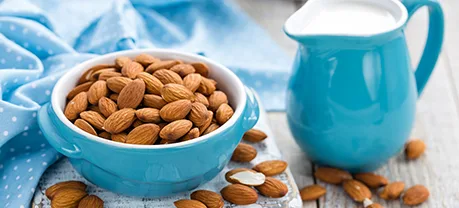
Check the carton rather than judging it by the whole ingredient. Many nut and coconut drinks supply relatively little protein. [3] A drink containing almonds is a different food from a serving of almonds.
For a hypothetical example, 2.8g protein per 100ml would give 7g in a 250ml glass. Use your product's actual figure when calculating a serving. Our vegan protein guide explains how drinks fit alongside beans, lentils, tofu and other foods.
What should I check on the carton?
Compare the same volume, usually 100ml, then consider how much you normally use. Manufacturers' suggested servings can differ from yours. [6] A short shopping checklist can help:
- The plant ingredients used, and organic certification if that matters to you.
- Protein, sugars and saturated fat per 100ml.
- Which vitamins and minerals are listed.
- Allergens and any precautionary warnings.
- Instructions for shaking, heating and storage.
Does no added sugar mean there are no sugars?
Read the sugars line as well as the ingredients. The UK assessment explains that sugars can be added as ingredients or arise during manufacturing. [2] The absence of table sugar from an ingredients list therefore doesn't tell you the total shown in the nutrition panel. Compare the drinks you are considering using the same volume.
Where will calcium, B12 and iodine come from?
Foods such as calcium-set tofu, tahini, pulses and broccoli can contribute calcium. [4] Think about the ones you actually use in meals. If you have replaced several dairy foods at once, the balanced diet guide can help you look at the whole day.
A reliable B12 source can come from a suitable supplement or appropriately fortified foods, as explained in Dr Michael Greger's nutrient guidance. [14] If your regular choices are unfortified, a supplement may be simpler. Ask a pharmacist or dietitian about the preparation and schedule if you're unsure.
Iodine needs a separate check. Plant drinks are not consistently fortified with it, and seaweed amounts are variable and can be excessive. [5] Added calcium on a label doesn't establish that iodine is present too. Discuss a suitable iodine plan if your usual foods don't supply it.
Which drink works in coffee, porridge and cooking?
Tea and coffee
Try a small amount in your usual cup. When comparing two drinks, keep the coffee or tea, cup size and quantity of plant drink similar. That makes it easier to decide which flavour and texture you prefer.
If it separates, check the producer's preparation advice. You could compare a different product or a version made for coffee. A barista label isn't an organic certification or a nutrition standard, so check those details separately.
Porridge
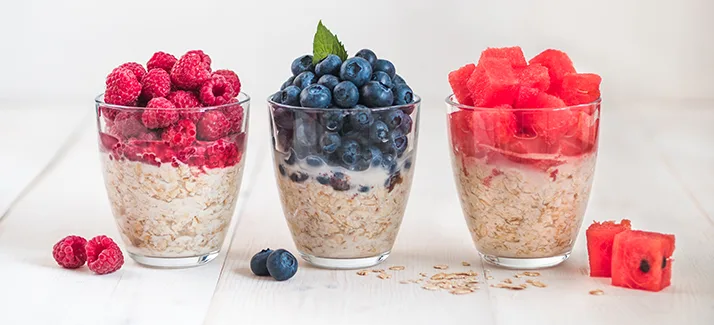
I plan meals before shopping, so it helps to know which drink I'll use for breakfast as well as cooking. For porridge, use your usual oats and adjust liquid to the texture you like. Add fruit, nuts or seeds to suit your taste and any allergies. Keep your nutrient plan alongside that choice.
Sauces and baking
I enjoy trying new recipes, but a familiar sauce can be a useful first experiment. Choose a plain drink without flavourings that would compete with the dish and try a small quantity. When learning to bake with plant drinks, follow a recipe that specifies one.
A coconut-based carton drink and tinned coconut milk are not automatically interchangeable ingredients. Use the ingredient the recipe calls for, particularly when its texture is part of the cooking method.
What does research from plant-based doctors tell us?
Soya drinks and cholesterol
A 2024 review co-authored by Dr David Jenkins, whose research includes plant-based diets, combined 17 trials involving 504 adults. [18] Replacing cows' milk with soya drink reduced LDL cholesterol, often called bad cholesterol. The authors said the substitution:
"may result in advantages for blood lipids, blood pressure, and inflammation"
Blood lipids are fats measured in blood. The typical study amount was 500ml daily. The median, or middle, follow-up period was four weeks. These results concern measured risk factors, rather than proof of fewer heart attacks, and don't establish an extra benefit from organic certification. Funding included the United Soybean Board and public research funding. [15]
A separate 2026 review of 14 trials also suggested that soya drinks may lower LDL cholesterol and blood pressure, while noting:
"The certainty of evidence was mainly low"
The size of any benefit remains uncertain. The reviews used different collections of studies and methods. Neither gives a health score to every carton on the shelf. Choose your drink using its own label and your wider food preferences.
Why iodine still needs checking
Bath and colleagues measured iodine in 47 UK milk alternatives bought in 2015. The 44 unfortified drinks had a low median concentration compared with the cows' milk samples. [7] This was a product analysis, not a study showing that individual drinkers developed a deficiency.
A UK label survey found iodine fortification in 48% of non-organic milk alternatives in its 2024 sample, compared with 88% for calcium. Organic drinks were excluded from those percentages. [8] This is a useful reminder to check iodine separately, rather than a description of every product sold today.
A few more questions you might have
Should I worry about soya and hormones?
A 2021 review of 41 clinical studies found no significant effect of soya protein or isoflavones, naturally occurring plant compounds, on the male reproductive hormone levels assessed. [17] This addresses those measurements in adult men; it is not a finding about every hormonal condition. If you have an individual medical concern, discuss it with your clinician.
Can I make my own plant drink?
Making your own plant drink is an option if you enjoy it. Buying a carton is fine too; choose what works for the time you have available.
A homemade drink's nutrition depends on the ingredients and recipe. Use the same principle as for other unfortified drinks: plan separately for nutrients it doesn't supply. [2] Without a manufacturer's nutrition panel, you would need to assess the recipe and the amount you drink.
How do I choose without spending too much?
Compare the price per litre and choose a size you'll use within its storage instructions. You don't have to buy organic or a specialist coffee version. Start with a small pack and see whether you enjoy it. If you don't, think about what you'd change: flavour, texture or how it works in your usual cup.
What about farming and environmental claims?
Poore and Nemecek's environmental research found substantial variation between producers of the same food and trade-offs between environmental measures. [12] It does not rank current organic drink brands.
Learning about regenerative agriculture and agroecology has made me interested in how food, soil and the environment connect. If that interests you too, ask which practices a producer uses and what it measures. Check organic certification separately from regenerative claims, rather than assuming the descriptions have identical requirements.
What if I have an allergy, coeliac disease or a young child?
For food allergies, check ingredients and precautionary warnings. UK guidance explains that a vegan label does not guarantee the absence of milk allergens because cross-contamination can occur. [10] Choose a product suitable for your individual allergy requirements.
If you have coeliac disease, follow your care team's advice about oats. They can be contaminated with gluten-containing cereals, and some people react to avenin, a protein in oats. Avoid oat products that aren't labelled gluten-free. [9]
This guide is for adults. Ordinary plant drinks are not alternatives to breast milk or first infant formula during a baby's first year. Rice drinks should not be given to children under five because of arsenic levels. Get professional advice when choosing a child's milk alternative, including an organic one. [11]
How should I store it?
Check the carton for refrigeration instructions before and after opening, and use it within the stated time. Marking the opening date can help if you keep more than one drink in the fridge. Follow product instructions and Food Standards Agency guidance on chilling and freezing. [13]