Your thyroid needs iodine to make the hormones that help regulate how your body uses energy. The thyroid is a small gland in your neck, but the iodine it needs deserves a place in your food planning, whether you eat plant-based or include animal foods. [1] [4]
Iodine
Helps make thyroid hormones
Reliable options
- Iodine-fortified drinks
- Suitable supplement
Check specifically for iodine. Seaweed and kelp can provide excessive, unpredictable amounts.
Sources [19] [2]Iodine can be easy to miss when changing your diet. A plant drink might provide calcium without providing iodine, and a varied mix of vegetables does not guarantee a dependable supply. Fortified foods or a suitable supplement can help you cover that gap. [2] [3]
I would start by checking what you already use, rather than adding a long list of unfamiliar foods. The aim is to find a reliable amount that suits your needs. With iodine, both too little and too much can affect thyroid function. [2]
Why do we need iodine?
Iodine is an essential mineral: your body needs it, and you need to obtain it through food or supplements. It is used to make the thyroid hormones T4, also called thyroxine, and T3. These hormones help regulate metabolism, the chemical processes that keep your body working. Iodine is also important for growth and brain development during pregnancy and childhood. [4]
That does not mean extra iodine will give you more energy or make your thyroid work better. The British Thyroid Foundation explains that excessive iodine, including from kelp and sea moss products, can cause thyroid problems as well as worsen existing ones. [12]
How much iodine do I need each day?
The UK recommended intake for adults is 140 micrograms a day. You may see micrograms written as mcg or µg. This is a total intake to plan for, rather than an instruction to add that amount in supplements on top of everything you eat. [1]
You may also see 150 micrograms on supplement labels or in European guidance. The BDA presents the European Food Safety Authority adult recommendation of 150 micrograms. These figures come from different reference systems; they are not amounts to add together. [3]
This guide focuses on adults. Pregnancy, breastfeeding, childhood and an existing thyroid condition need their own consideration. If you have been given an individual plan, follow it and ask your healthcare team before making changes.
Which plant-based sources can I rely on?
For a fully plant-based diet, the useful starting points are iodine-fortified foods and a suitable supplement. Check that iodine is actually listed, rather than assuming that every fortified product contains the same nutrients. [2]
Potatoes, beans, nuts and fruit can all belong in your meals, but they should not be treated as a dependable iodine plan. The amount in plant crops depends on growing conditions, including the iodine in the soil. A review of plant-based diets specifically identified misleading online claims about foods such as cranberries, prunes and potato skins being rich sources. [5]
I would keep enjoying those foods for the meals they help you make, then check your iodine source separately. You do not need to buy expensive ingredients or change your whole shopping list to begin that check.
How do I check whether a plant drink contains iodine?
Look for iodine in the nutrition information and note the amount per 100ml. Then compare that with how much you actually drink. The plant milk guide can help with the wider comparison, but iodine needs its own check.
The Vegan Society describes iodine-fortified plant drinks as one option for a reliable intake. It suggests choosing products with around 25 micrograms per 100ml and consuming at least 500ml daily. At that concentration, 500ml supplies 125 micrograms, so consider the rest of your intake as well. [2]
| Amount you use | Iodine supplied |
|---|---|
| 200ml | 50 micrograms |
| 400ml | 100 micrograms |
| 500ml | 125 micrograms |
These are calculations from an example label, not values for every carton. A splash in tea will provide much less than a large serving. If that amount of plant drink does not fit how you eat, discuss another reliable option rather than forcing it into your day.
What does research on plant drinks show?
A UK product survey published in 2026 compared labels across 2020 to 2024. In the 2024 sample, 48% of non-organic milk alternatives were fortified with iodine, compared with 88% with calcium. Only 5% of non-organic yoghurt alternatives were iodine-fortified. [6]
The study checked products, not people's health, and formulations change. It explains why a calcium claim on the carton cannot answer the iodine question. Recheck the label when you change brands, even if the new drink looks similar. [6]
Can I get my iodine from seaweed?
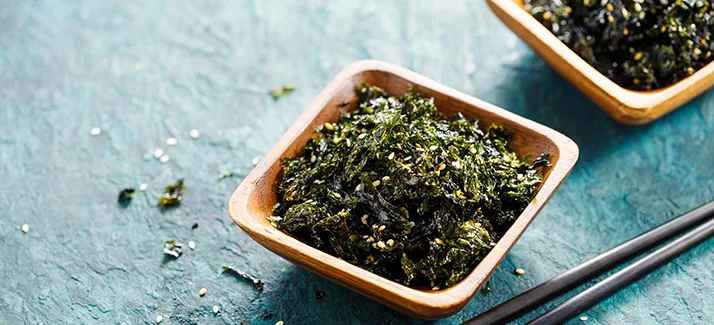
Seaweed contains iodine, sometimes in very large amounts. That is also the difficulty: amounts vary between species and products. Kelp and other brown seaweeds can supply excessive amounts, so they are unsuitable as a predictable daily iodine source. The BDA advises against using seaweed or kelp supplements for this purpose. [3]
A laboratory study by Aakre and colleagues analysed 96 seaweed foods and supplements from the Norwegian market. For 54 products, one portion or daily dose would exceed the upper intake level used in the study. This was a product analysis, rather than a trial showing what happens to every person who eats seaweed. [7]
The researchers reported:
“The iodine content in the included products was variable and for most products high”
Aakre and colleagues, Food & Nutrition Research [7]
Those findings are a reason to be careful with the product and amount, rather than assume a small spoonful is always appropriate. I would not use kelp powder, sea moss or high-strength iodine drops to try to boost thyroid function. The British Thyroid Foundation advises against these products because their iodine content can be excessive or variable. [10]
Should I use iodised salt instead?
Iodised salt has iodine added to it. Ordinary UK table salt is not automatically iodised, and sea salt or Himalayan salt should not be assumed to supply useful amounts. Check the label. [3] [4]
Adding more salt is not the recommended way to meet iodine needs in the UK. The Vegan Society and BDA both point to the advice to reduce salt intake. A suitable fortified food or supplement gives you a way to plan iodine without increasing the salt in your meals. [2]
What should I look for in an iodine supplement?
If food does not provide enough, a supplement may be useful. The Vegan Society's information sheet recommends a product containing potassium iodide or potassium iodate, with no more than 150 micrograms of iodine daily in the supplement. It advises against seaweed-derived products. This is general guidance, not treatment for a thyroid disorder. [8]
Read the iodine amount per daily serving. If you already take a multivitamin, include that before adding another product. Taking two supplements with different names can still duplicate the same nutrient. I would bring both labels to a pharmacist if the total is unclear.
If you have a thyroid condition, are pregnant or breastfeeding, or take thyroid medicines, discuss the choice with your healthcare team. Avoid choosing a larger dose because a product claims to support energy, metabolism or thyroid function. Iodine supplements do not replace prescribed thyroid treatment. [10] [12]
Why does iodine matter before and during pregnancy?
Iodine is needed for a baby's developing brain, including early pregnancy. Planning intake before conception is worthwhile. The BDA uses European guidance of 200 micrograms daily during pregnancy and breastfeeding, and advises meeting iodine needs before pregnancy. Ask your midwife or a dietitian about a suitable plan, particularly if you avoid dairy, eggs and fish. [3]
In the UK ALSPAC cohort, researchers measured iodine in stored urine samples from 1,040 women in early pregnancy. Lower iodine status was associated with a greater likelihood of children scoring in the lowest quarter for verbal IQ at age eight and reading measures at age nine, after adjustment for several other factors. [9]
This was an observational study. It cannot prove that iodine status caused the differences, or show that starting a supplement would improve a particular child's outcome. Its value is in highlighting the need for sound nutrition advice early on, without blaming parents or making promises about a supplement. [9]
Bring the label of any pregnancy supplement to your appointment. Products differ, so the word prenatal on a pack is not enough to confirm that it contains iodine. [4]
What have other pregnancy studies found?
A 2021 systematic review by Monaghan and colleagues brought together 12 studies of iodine intake or status in pregnancy and children's development. Findings varied between studies, which used different ways to assess iodine and development. It helps put an individual study such as ALSPAC into context. [14]
In a Norwegian cohort of 48,297 mother-child pairs, lower iodine intake from food during pregnancy was associated with some language, behaviour and fine-motor difficulties reported at age three. Another analysis from the same wider cohort found higher reported ADHD symptom scores at age eight with lower food iodine intake, but no association with ADHD diagnosis. Neither analysis demonstrated a protective effect from iodine supplements. These were observational studies, so they cannot show that iodine caused the differences. [15] [16]
I would take this as a reason to ask for help with your nutrition early, without treating any one study as a prediction about your child. If you would like to explore the wider food picture, Borge and colleagues also studied overall maternal diet quality and child ADHD outcomes. That paper looks beyond iodine and cannot tell us what iodine alone does. [17]
What if I have a thyroid condition or symptoms?
Do not assume that a thyroid problem means you should take more iodine. You also do not usually need to remove iodine from your diet. The British Thyroid Foundation explains:
“you do not need to avoid iodine, or follow a low-iodine diet, unless your doctor has advised you to.”
British Thyroid Foundation, What's the deal with iodine? [10]
An individual plan matters if you take thyroid medicine or are preparing for radioactive iodine treatment. A low-iodine diet is a specific medical instruction, rather than a general healthy-eating approach. Ask before starting or stopping supplements, and keep taking prescribed medicine as directed. [10] [12]
Can I tell from how I feel?
Persistent tiredness, feeling unusually cold, constipation or difficulty concentrating can occur with an underactive thyroid, but they also have other causes. Speak to your GP rather than diagnosing iodine deficiency from a symptom list. Assessment may include blood tests for thyroid-stimulating hormone, or TSH, and thyroxine, or T4. [11]
Can a urine test show whether I get enough iodine?
A single urine sample is not a reliable way to diagnose an individual's iodine status. Urinary iodine is useful for studying groups of people, which is different from deciding what one person needs. Your clinician can consider symptoms, diet and appropriate thyroid tests together. [4] [10]
Eastman and colleagues' review explains the problem with a one-off urine test: the result changes with recent food intake and how concentrated the urine is. If you have a result you are worried about, ask what it can tell you about your usual intake before changing your supplements. [13]
Where can I read about the history of iodine research?
Kapil's 2007 review explains how too little iodine can reduce thyroid-hormone production and affect development. It is useful background if you want to understand why iodine became a public-health concern. Some language and population figures are dated, so use the current advice linked here when planning what to eat or take. [18]
A few more everyday questions
Do I need to stop eating broccoli, kale or soya?
You do not usually need to avoid ordinary portions of vegetables such as cabbage, cauliflower and kale because of thyroid worries. The British Thyroid Foundation says concern about these foods generally involves very high consumption. Soya can affect levothyroxine absorption, so ask your pharmacist about food and medicine timing if you take it. [12]
What is a useful first step today?
Check the iodine content of one product you regularly use, such as your plant drink or multivitamin. Note the amount and your usual serving, then identify any gap you want help with. You can enjoy your familiar meals while working through this. The balanced plant-based diet guide puts iodine alongside the other nutrients worth planning.