Iron helps your blood carry oxygen from your lungs to the rest of your body. It is part of haemoglobin, the protein in red blood cells that does that job. Getting enough matters whether you eat plant-based, include meat or are somewhere in between. [1] [3]
Iron
Helps blood carry oxygen
Find it in
- Lentils
- Beans
- Tofu
Pair plant iron with vitamin C, such as peppers or broccoli.
Sources [13] [2]You can get iron from plant foods, including beans, lentils, tofu, seeds and fortified cereals. How you put meals together can help your body absorb it. [5] I would begin with familiar meals and a few useful combinations, rather than feel you need a cupboard full of special ingredients.
This guide covers everyday food planning, with advice on when to ask for help. Feeling tired does not automatically mean you need iron tablets, and diagnosed deficiency needs more than a guess about what might be missing from your plate. [7]
Can plants provide the iron I need?
Yes, a well-planned plant-based diet can provide enough iron. There are two main forms in food: haem and non-haem iron. Plants and fortified foods provide non-haem iron; meat, fish and poultry provide both. Non-haem iron absorption is more affected by the other foods and drinks in a meal. [2] [3]
| Type of iron | Food sources |
|---|---|
| Non-haem iron | Plant foods such as beans, lentils, tofu, nuts and seeds, plus iron-fortified foods. Meat, fish and poultry also contain some non-haem iron. [3] [5] |
| Haem iron | Meat, fish and poultry. Plant foods do not provide haem iron. [3] |
The amount you absorb also responds to your body's needs, so the iron listed in a food is not the same as a fixed amount that enters your bloodstream. The Vegan Society explains that more is absorbed when stores are low and less when they are full. [2]
I would use that information to make meals easier to plan: include an iron-containing food, then think about what goes alongside it. There is no need to make every meal revolve around one particular ingredient.
How much iron do UK adults need each day?
UK reference intakes depend on age and sex, with menstrual blood loss an important consideration. These are amounts from your overall diet, not doses for treating deficiency. [1]
| Group in UK guidance | Daily intake |
|---|---|
| Men aged 19 and over | 8.7mg |
| Women aged 19 to 49 | 14.8mg |
| Women aged 50 and over | 8.7mg |
If you still have periods after 50, you may need the higher intake. Heavy periods, pregnancy and your medical circumstances are reasons to discuss your own needs with a clinician or dietitian. This guide is for adults; children need age-appropriate advice. [1] [7]
On food labels, iron is usually measured in milligrams, written as mg. Check the amount for the portion you actually eat. A value per 100g is not automatically the value in a bowl or slice.
Which plant foods provide iron?
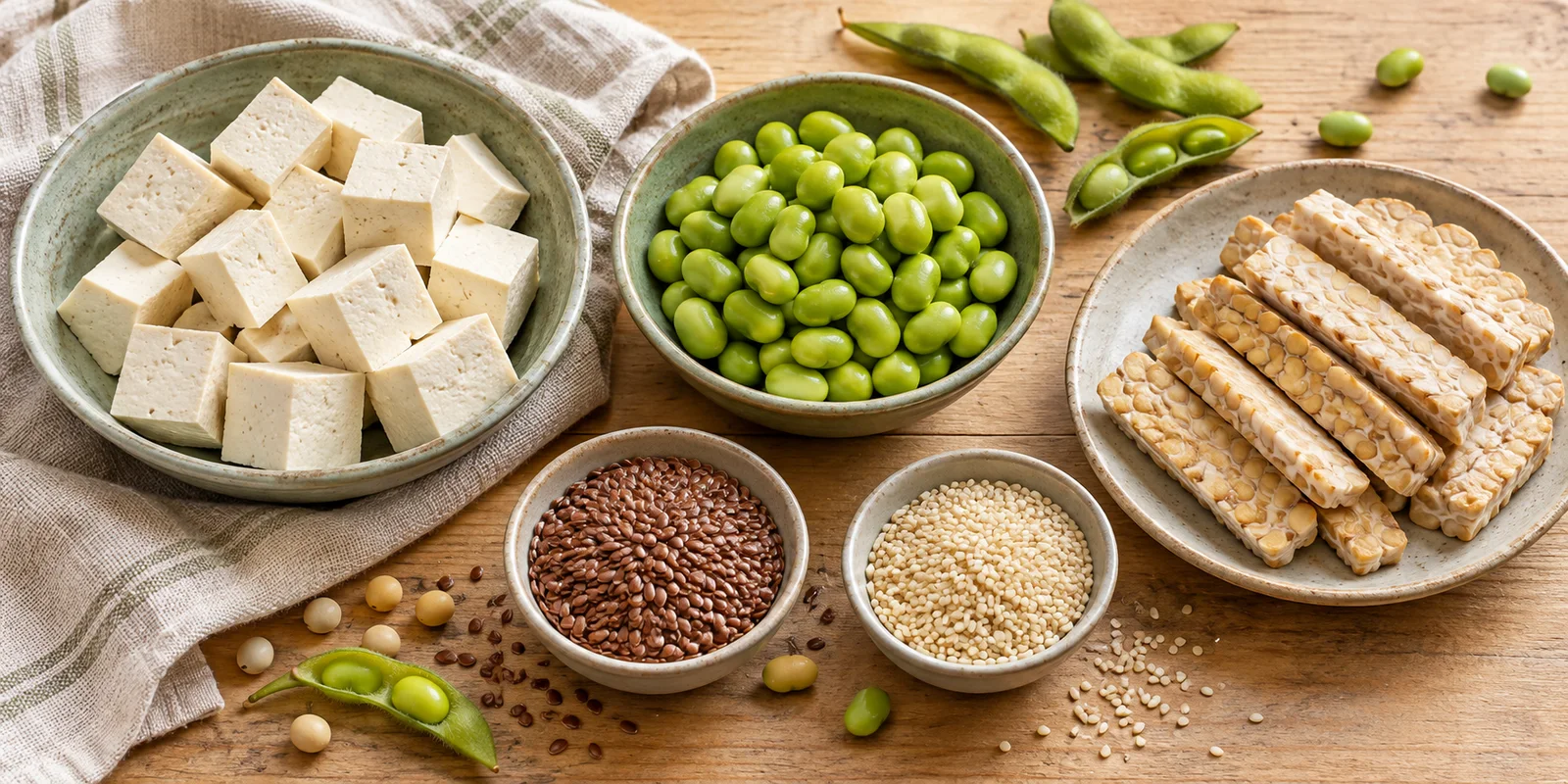
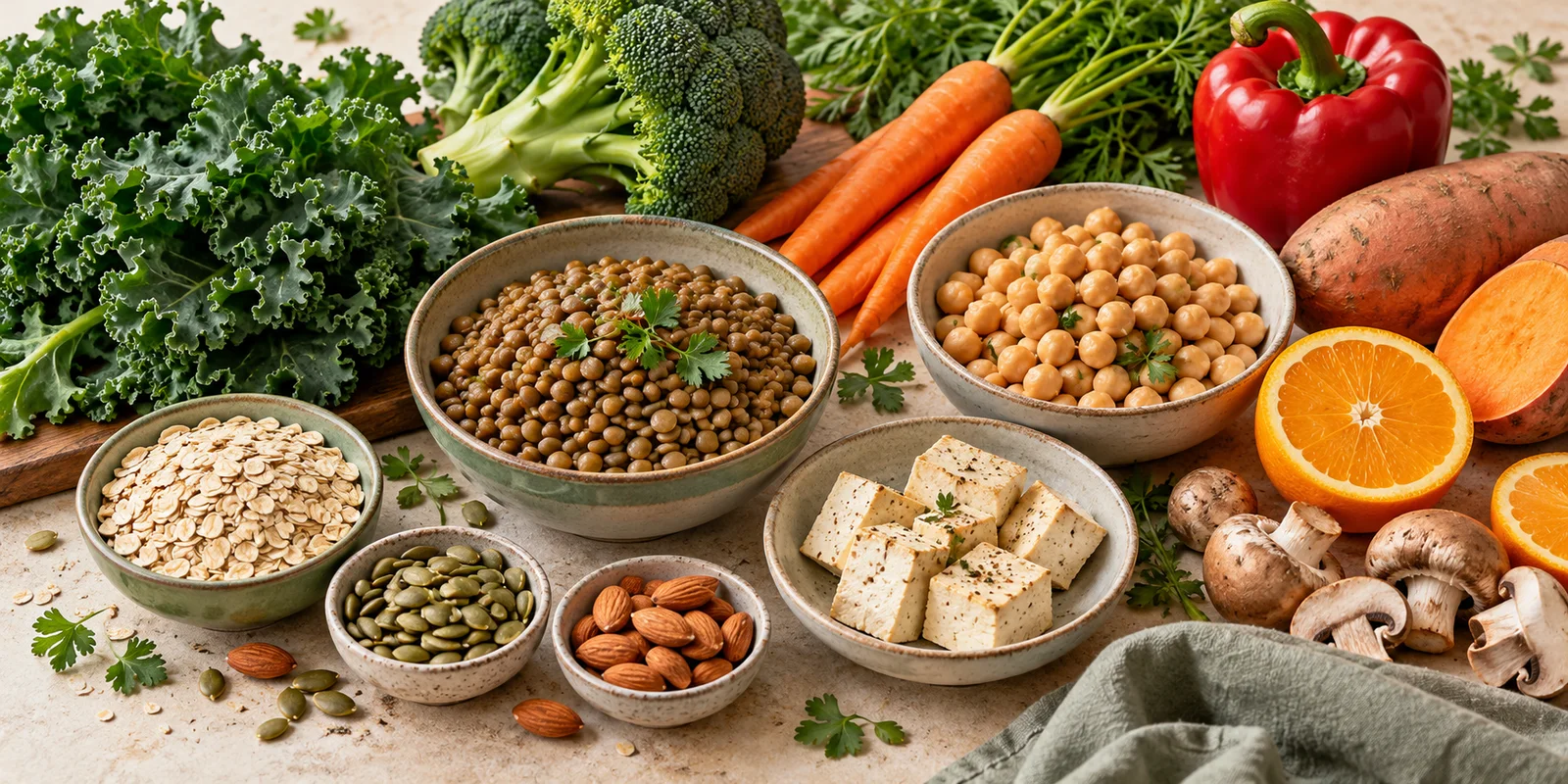
Useful options include lentils, beans, chickpeas, tofu, pumpkin seeds, wholegrains, nuts, dried fruit and iron-fortified cereals. Plant-Based Health Professionals UK's iron resource, by nutritionist Rohini Bajekal, includes these foods and practical ways to serve them with vitamin C sources. [5]
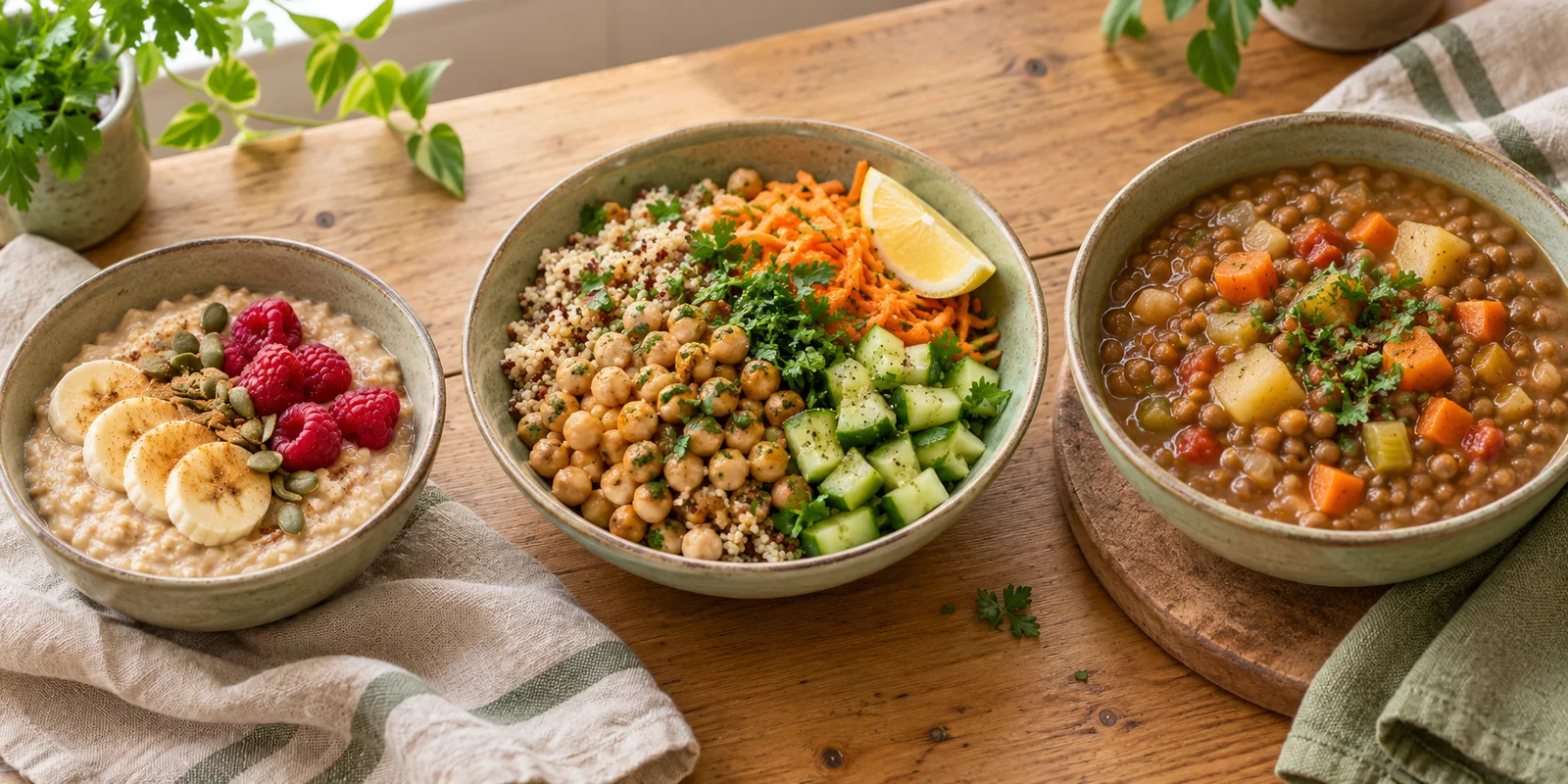
I would choose a few that you already enjoy. Lentils can go into a curry or pasta sauce, chickpeas into a salad, and tofu into noodles. Seeds or nuts can be additions where they suit the meal. A small sprinkle contributes less than a larger portion, so think about the whole day's food.
Fresh, frozen and tinned ingredients can all have a place in your cooking. You can use affordable non-organic foods, and you do not need to replace everything in your kitchen before getting started. If a familiar fortified cereal helps you plan breakfast, check its label rather than dismissing it because you did not make it yourself.
How can I help my body absorb plant iron?
Include a vitamin C-rich food alongside the iron source. Peppers, broccoli, kiwi fruit, oranges and strawberries are useful choices. This can be as simple as adding pepper to a bean salad or fruit alongside breakfast. Vitamin C improves absorption of non-haem iron. [2] [4]
Phytates, compounds found in foods such as beans and wholegrains, can reduce absorption. That is a reason to consider preparation and the whole meal, rather than remove those foods. The BDA's practical guidance suggests using tinned pulses, rinsing them, or soaking dried pulses and discarding the soaking water before cooking. [12]
Keep the steps manageable. If you already cook a lentil curry, think about the vegetables you serve with it. If lunch is a bean wrap, add a vitamin C-rich ingredient you enjoy. You do not need an absorption calculation for every bite.
Do I need to give up tea or coffee?
You can consider timing instead. Tea and coffee can reduce non-haem iron absorption, so it can help to have them between meals, particularly if you are at risk of low iron. The Vegan Society suggests leaving at least an hour before or after meals. Instructions for prescribed iron may specify a different gap. [2]
A small controlled study by Ahmad Fuzi and colleagues tested iron absorption from porridge in 12 healthy UK women with adequate iron stores. Tea was served with the meal or an hour afterwards, with water used as a comparison. Absorption was higher when tea was delayed by an hour than when it was taken with the meal. [6]
This was a short absorption study in a small group, not a trial showing that changing tea timing treats anaemia. It does provide a practical reason to move a cup away from an iron-containing meal if this is relevant to you. [6]
What could this look like in everyday meals?
I like food advice that helps with the next shopping list. Try choosing one combination you would enjoy, then see where it fits into your week. Choose portions that suit your appetite and consider the rest of your day's meals too.
| Iron-containing food | Something to serve alongside | Meal idea |
|---|---|---|
| Lentils | Broccoli | Lentil curry with broccoli |
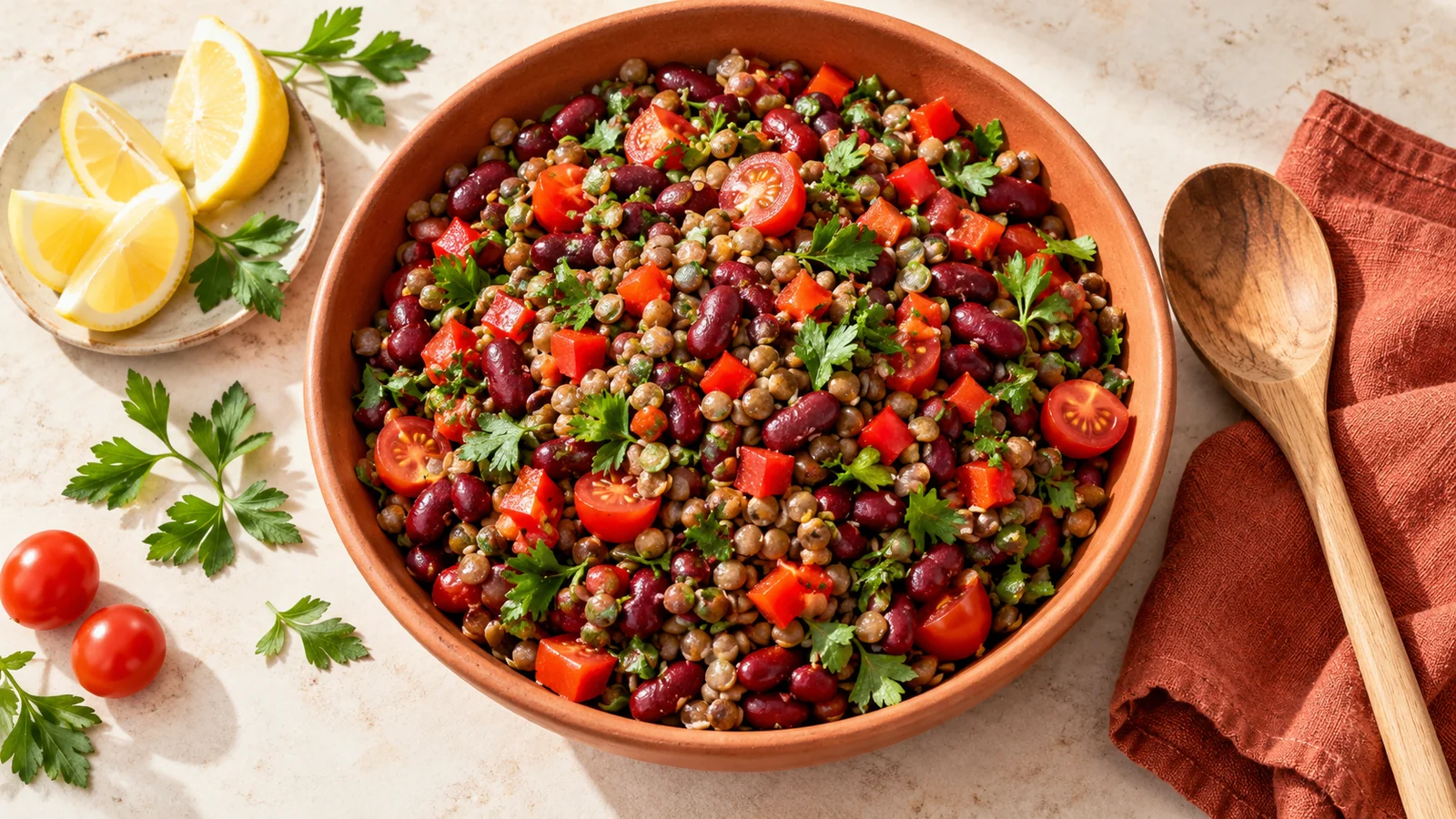
| Chickpeas or beans | Raw pepper | Bean salad or chickpea wrap |
| Tofu | Peppers | Tofu and vegetable noodles |
| Iron-fortified cereal | Strawberries or kiwi | A quick breakfast with fruit |
These pairings follow plant-based guidance on iron foods and vitamin C. [5] If you batch cook, plan the vegetables or fruit you will serve with the prepared meal too. The balanced plant-based diet guide helps you think about the rest of the day.
What is the difference between low iron and anaemia?
Iron stores can become low before anaemia develops. Anaemia means haemoglobin is below the appropriate reference range; iron deficiency is one possible cause. Other causes include B12 or folate deficiency, so anaemia is not automatically a reason to take iron. [3] [7] [8]
Which symptoms should I get checked?
Ongoing tiredness, unusual breathlessness, noticeable heartbeats or paler skin can occur with iron deficiency anaemia, but symptoms alone cannot establish the cause. Contact your GP if you think you may be affected. They can assess you and arrange suitable blood tests. [7]
Assessment may include a full blood count and ferritin, a marker of iron stores. Ferritin can be raised by inflammation, so an apparently normal value does not always settle the question. The British Society of Gastroenterology recommends interpreting iron studies in context, with other tests where needed. [8]
Could something other than food be causing it?
Yes. Heavy periods and bleeding in the stomach or bowel can cause iron loss, and pregnancy increases the risk of deficiency. [7] Conditions such as coeliac disease can also affect absorption. If deficiency is found, identifying the cause matters alongside replacing iron. Do not assume that eating plant-based explains the result. [8]
Do I need an iron supplement because I eat plant-based?
Not automatically. The Vegan Society states:
“Routine iron supplementation is not recommended for people following a vegan diet because plenty of iron-rich foods are available.”
The Vegan Society, Iron [2]
If tests show deficiency, or you have particular needs, your healthcare team may recommend supplements. A prescribed dose is different from a food reference intake. Follow the treatment and monitoring plan you are given, rather than choose a dose based on a nutrition table.
For prescribed ferrous sulfate, taking it on an empty stomach helps absorption, but taking it with food can help if it upsets your stomach. Treatment often continues after blood results improve to rebuild stores. Ask your GP or pharmacist about side effects instead of quietly stopping treatment or changing the schedule yourself. [9]
Iron can interact with medicines such as levothyroxine, certain antibiotics and antacids. Calcium and some other mineral supplements also need consideration. Ask a pharmacist about the appropriate gap for your products, and include any multivitamins you use. [11]
Keep iron supplements out of children's sight and reach, as an overdose can be fatal. [9] More iron is not a general health goal, and people with iron-overload conditions need individual medical advice. [4]
Do iron tablets need an extra vitamin C tablet?
Vitamin C with food and vitamin C tablets during medical treatment are different questions. In a randomised trial of 440 adults with iron deficiency anaemia, Li and colleagues compared oral iron alone with oral iron plus vitamin C. Haemoglobin recovery met the study's criteria for equivalence, and improvement in iron stores was comparable. [10]
The researchers reported that:
“oral iron supplements alone were equivalent to oral iron supplements plus vitamin C”
Li and colleagues, JAMA Network Open [10]
The study involved a particular treatment schedule, mostly women, at one hospital. It does not overturn the advice to include vitamin C-rich foods with plant iron. It suggests that extra vitamin C tablets are not automatically necessary for everyone taking oral iron. Follow your prescriber's advice about your own treatment. [10]
A few more practical questions
Should I stop eating calcium foods to help iron absorption?
You still need to meet your calcium needs. If you take iron medicine, ask about timing calcium supplements and meals around it rather than cutting out an essential nutrient. [11] The calcium guide covers food choices and planning.
What should I do if I am pregnant?
Discuss iron with your midwife, including symptoms and any supplements you already take. Pregnancy needs its own assessment; an adult food target is not a prescription for treatment. If you are advised to take iron, ask how it fits with your usual medicines and meals. [7] [9]
What is one useful change to try today?
Choose a meal you already make and identify its iron source. Then add a vitamin C-rich food alongside it. For example, serve broccoli with a lentil dish or add pepper to a chickpea salad. You can build on one familiar meal at a time, and get help with testing if symptoms or concerns need attention.