What will you eat when meat or dairy is no longer the main part of a meal? Breakfast might be almost familiar already. Dinner can take a little more thought, especially when you are tired and everyone wants something different.
I would start with the meals you enjoy now. A curry can have chickpeas or tofu at its centre. A jacket potato can come with beans and a colourful salad. You can learn a few reliable meals, keep the ingredients in the house and build from there. You do not need a different recipe for every day of the month.
How do I put a plant-based meal together?
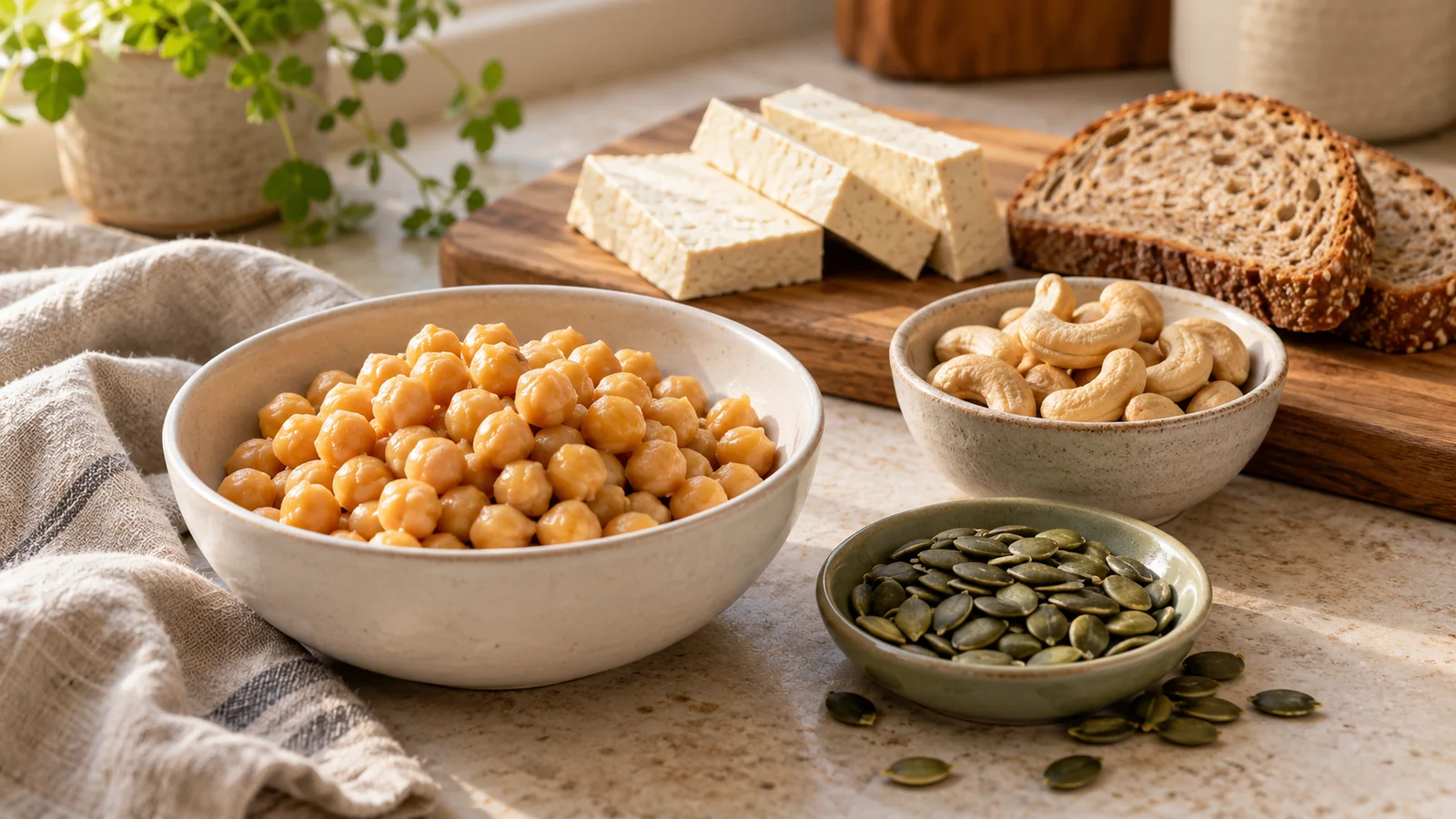
Think about what you are adding to the plate when you change a familiar meal. Potatoes, rice or another starchy food can provide a base, with vegetables and a protein-containing food such as lentils, beans or tofu. Nuts and seeds can also contribute. Plant-Based Health Professionals UK's Eatwell Guide describes these food groups across the day or week, rather than requiring identical proportions at every meal. [1]
| Part of the meal | Ideas to choose from | An everyday example |
|---|---|---|
| A starchy base | Potatoes, oats, rice, wholegrain bread, pasta or quinoa | A jacket potato or bowl of rice |
| A protein-containing food | Beans, chickpeas, lentils, tofu or tempeh | Beans on the potato, or tofu with the rice |
| Vegetables or fruit | Fresh, frozen or suitable tinned choices | A side of broccoli, carrots or tomatoes |
| Flavour and finishing touches | Herbs, spices, lemon, tahini, nuts or seeds | A lemon and tahini dressing or chopped herbs |
These are cooking ideas, not four boxes you must tick at every meal. The protein foods in the table are examples identified in dietetic guidance; the combinations are suggestions you can adapt. [2]
For example, try a baked potato with warm lentils in tomato sauce, spinach and a spoonful of tahini loosened with lemon juice and water. If pasta is already a favourite, add cooked lentils to your usual tomato sauce and serve vegetables alongside it. You can change one familiar dish before tackling another.
Why make whole plant foods the starting point?
The food choices within a plant-based pattern matter. A 2017 study following three groups of US adults found that a pattern emphasising foods such as whole grains, fruit, vegetables, nuts and pulses was associated with lower coronary heart disease risk. A pattern emphasising less nutritious plant foods had a different association. It was an observational study, so it cannot prove that particular meals caused the outcome. [4]
I would use that as a reason to keep familiar whole foods at the centre of the shopping list. It does not mean that a packet of tofu, a tin of beans or an occasional convenience meal needs to make you feel you have done something wrong.
What can I eat for breakfast?
Breakfast may need only a small change. Think about what you like eating and how much time you have before leaving the house.
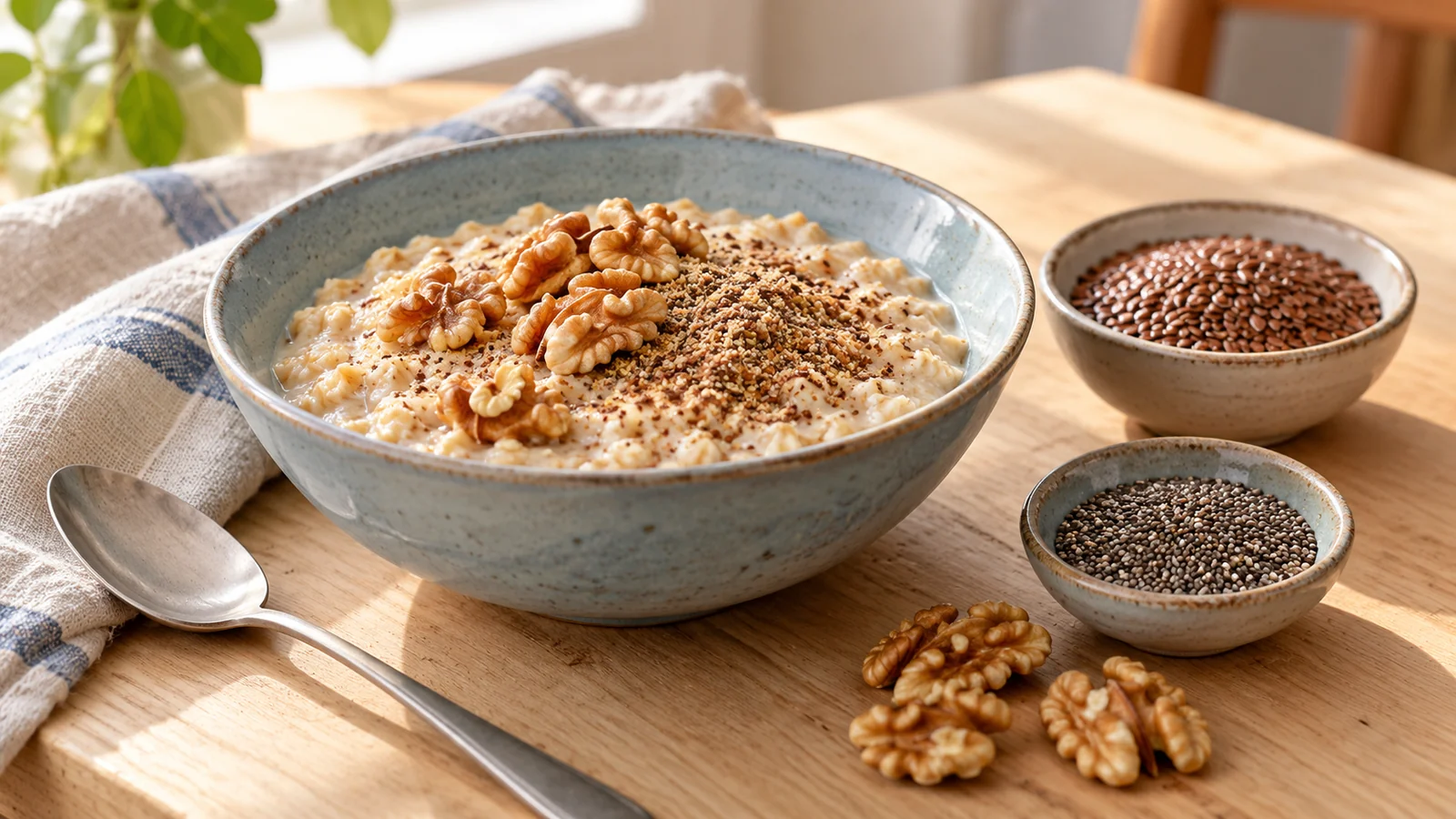
- Porridge made with an unsweetened plant drink, with berries, banana and ground flaxseed.
- Overnight oats with a suitable plant yoghurt, chopped fruit and seeds.
- Wholegrain toast with peanut butter and sliced banana, if nuts are suitable for you.
- Beans on toast, with tomatoes or mushrooms alongside.
- Tofu scrambled with mushrooms, spinach and the seasonings you enjoy.
Plant drinks vary in protein and added nutrients, so check the label rather than assuming they are all equivalent. Fortified choices can contribute calcium and other nutrients, depending on the product. The plant milk guide explains what to look for. [3]
If you prefer something savoury, you do not have to eat porridge because it appears on a healthy breakfast list. Leftover vegetable soup or a warm bean-filled wrap can be breakfast too.
What makes an easy plant-based lunch?
Lunch becomes easier when you decide what it will be before you are hungry. An extra portion from dinner, a few cooked ingredients or a simple sandwich filling can be enough to work with.
Try a chickpea sandwich filling: roughly mash cooked chickpeas with lemon juice and a little tahini or unsweetened plant yoghurt, then add chopped cucumber or spring onion. Put it in bread or a wrap with salad leaves. Change the seasoning to suit you.
For a warm lunch, you could have lentil soup with wholegrain bread, a jacket potato with beans, or a bowl of leftover stew. If you like salads, give them something substantial: chickpeas, tofu or lentils, along with cooked grains or potatoes. The protein guide has more plant protein food ideas. [2]
A lunch bowl can be assembled from cooked quinoa, chickpeas, grated carrot, cucumber and herbs, with lemon juice to finish. You can use whatever vegetables you already have rather than buying everything for one photograph or recipe.
Can I keep the dinners I already enjoy?
Often, you can keep the flavours and change the main ingredients. These are combinations to experiment with, rather than recipes with fixed quantities or cooking times.
| If you enjoy | Try this combination |
|---|---|
| Curry | Chickpeas or tofu with vegetables and your usual curry spices, served with rice. |
| Spaghetti bolognese | Cooked lentils and finely chopped mushrooms in a tomato sauce. |
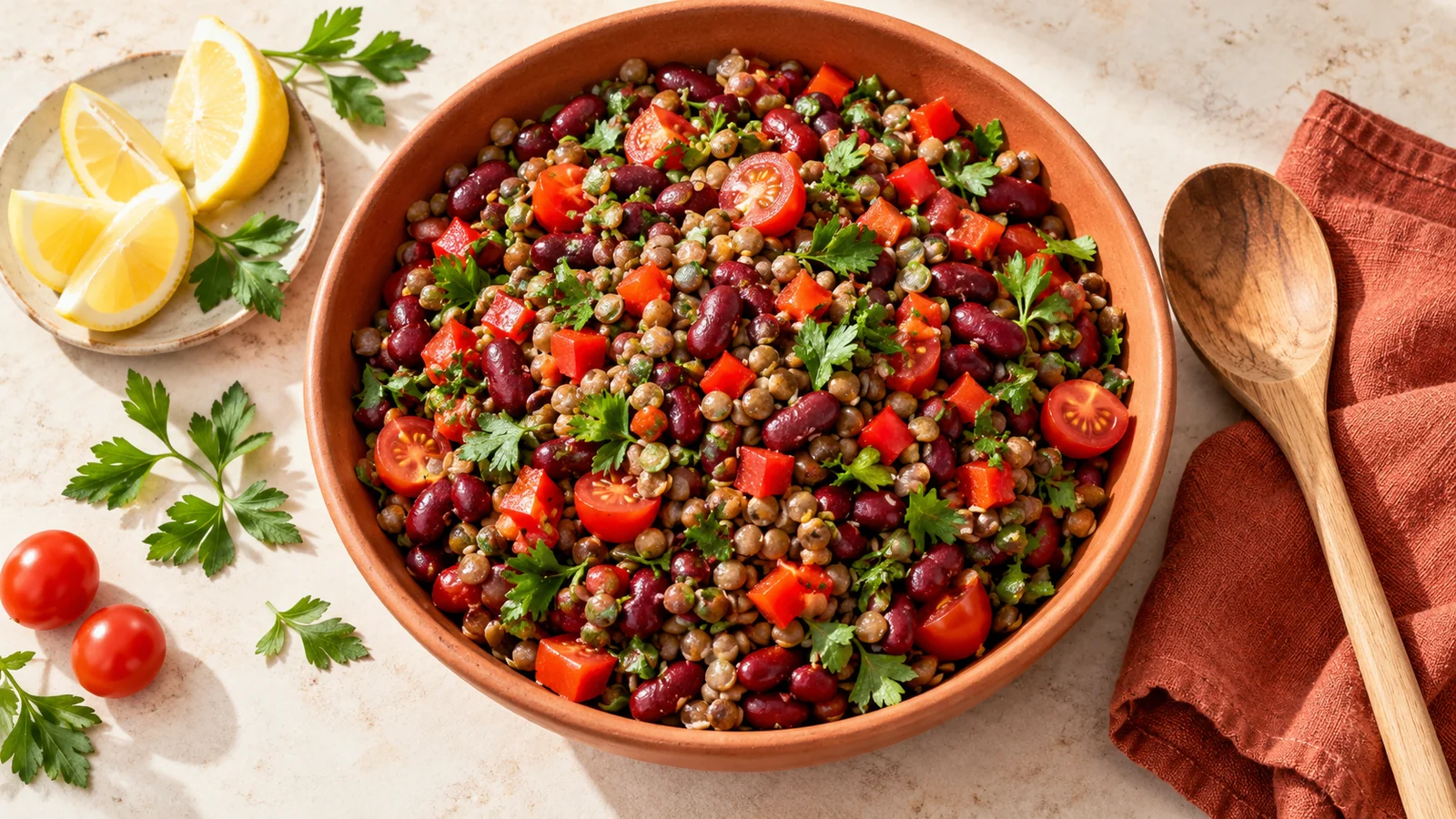
| Chilli | Cooked kidney beans or black beans with tomatoes, peppers and the spices you like. |
| Shepherd's pie | A lentil and vegetable filling with mashed potato on top. |
| Ramen or noodle soup | Tofu, mushrooms, greens and noodles in a broth you enjoy. |
| Stew | Cooked beans or lentils with potatoes, carrots, onions and herbs. |
If you are making a gradual change, replacing half the meat in a familiar sauce with cooked lentils can be a starting point. Next time, you might try a little more. You can also begin with one entirely plant-based dinner a week and repeat the one you enjoy most.
I do not cook with added oil. For these meal ideas, you can soften onions in a little water, adding more as needed, then use herbs, spices or lemon for flavour. Nuts, seeds and tahini can still be ingredients in the meal. Leaving out cooking oil is different from removing every source of fat from your food.
What could a day of eating look like?
Here is one way to put the ideas together. Adjust the portions, add snacks when you want them and change foods to suit your appetite. This example is not a nutrient-calculated menu.
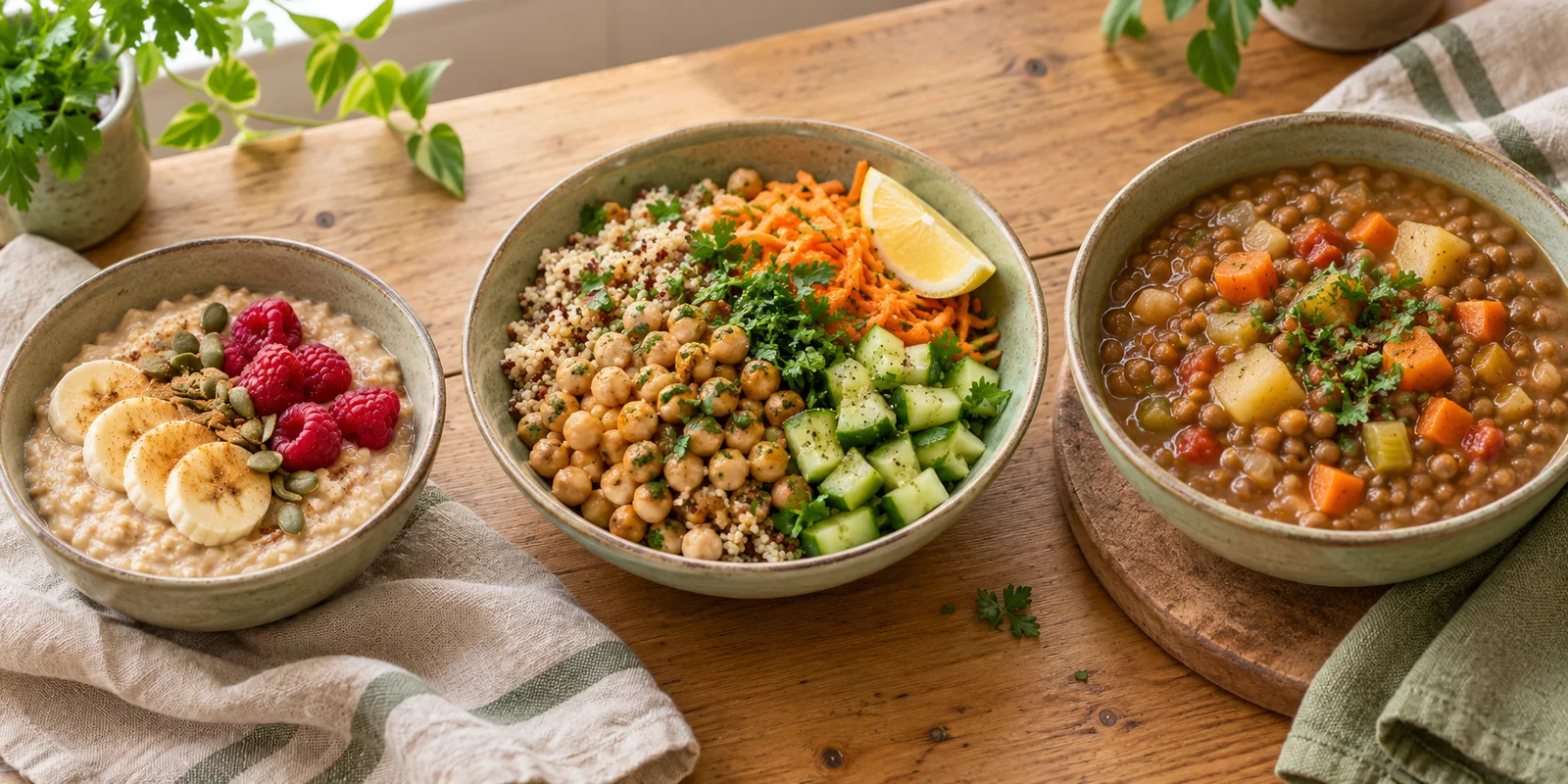
- Breakfast: porridge with an unsweetened fortified soya drink, raspberries, banana and ground flaxseed.
- Lunch: a chickpea and quinoa bowl with cucumber, grated carrot and herbs.
- Dinner: lentil and vegetable stew with potatoes and greens.
- Snack ideas: fruit with nuts, toast with peanut butter, or vegetable sticks with a bean dip.
For another day, swap porridge for beans on toast, have leftover stew at lunch and make a tofu curry for dinner. Reusing ingredients can make planning more manageable without eating the same plate three times.
What should I buy, and does it have to be organic?
Write down a few meals first, check the cupboard and then make the shopping list. A useful starting basket might include oats, potatoes or another grain, a few tins of beans or lentils, tofu, fruit and vegetables, plus nuts or seeds you enjoy.
Frozen vegetables and tinned pulses can help when you do not have much preparation time. Compare unit prices and buy ingredients you have a use for. A large bag of something unfamiliar is not a saving if it sits untouched in the cupboard.
Organic is my preference, but it is optional. Choose what works for your budget and availability. You can make useful changes with ordinary supermarket ingredients, and you do not need expensive powders or specialist replacements to begin.
If you choose a plant drink, read the nutrition information and ingredients as well as the front of the carton. Fortification differs between products. The nutrients in a homemade drink also cannot be assumed to match those in a fortified carton. [3]
How can batch cooking help on busy days?
I would choose one meal that is easy to make in extra portions, such as a lentil stew or bean chilli. Decide which portions you will eat soon and which you will freeze. A label with the name and date makes the freezer much more useful than a collection of mystery tubs.
For most cooked leftovers, cool them and put them in the fridge within two hours. Eat them within 48 hours or freeze them. Reheat only once, until steaming hot throughout. Follow packet instructions too, particularly for ready-made products. [6]
Rice needs extra care: cool it quickly, ideally within an hour, refrigerate it and use it within 24 hours. Reheat rice only once, until steaming hot throughout. The way it is stored before reheating matters. [7]
You can make part of a meal in advance instead of preparing complete dishes. A cooked lentil sauce can become pasta sauce one evening and a jacket-potato topping another day, provided it is stored and used safely.
Will these meals provide what my body needs?
A varied plant-based diet needs some planning. If you eat entirely plant-based, make sure you have a reliable source of vitamin B12 through suitable fortified foods or supplementation. Calcium, iodine, vitamin D and other nutrients also need attention; a list of colourful meals alone does not establish that everything is covered. [3]
The vitamins and minerals guide shows food sources and explains the nutrients individually. For the overall pattern, read how to build a balanced plant-based diet. You can explore one question at a time rather than trying to remember every nutrient while cooking dinner.
These are general meal ideas. Children, pregnancy and particular health needs can call for adjustments; a registered dietitian can help adapt a plan to those circumstances. [1]
A few questions that come up in real life
What if beans make me feel bloated?
If you are increasing fibre, do it gradually and drink enough water. A sudden increase can cause digestive discomfort. You might begin with a smaller amount of beans in a familiar meal, then see how you get on. Persistent or troublesome symptoms deserve individual advice. [5]
Do I have to make different meals for everyone?
You could start with a shared base: baked potatoes with separate toppings, a noodle bowl everyone can assemble, or a tomato sauce to which you add lentils. Ask which meal people would actually like to try. There is less planning involved when you have a couple of familiar options everyone is happy to eat.
What about sweet treats?
I enjoy making sweet things without refined sugar. You could try fruit with a spoonful of nut butter, frozen banana blended into nice cream, or a small date, nut and seed bar. Ingredients still matter, and “without refined sugar” does not mean a food is sugar-free. Choose something you enjoy alongside the rest of your meals.
What should I try first?
Choose one breakfast or dinner from this page, put its ingredients on the shopping list and decide when you will make it. If you like it, make it again. If you do not, change the texture, seasoning or ingredient that did not work for you. The getting started guide can help with the next small step.