Gout can be an incredibly painful and frustrating condition to live with. One moment you feel fine, and the next, you're dealing with intense joint pain, often striking suddenly and making even the lightest touch unbearable. For many, this recurring inflammation—usually in the big toe, but sometimes in the ankles, knees, or hands—can feel unpredictable and debilitating. While conventional treatments like anti-inflammatory medications and uric acid-lowering drugs can help, they don’t work for everyone, and some people experience unwanted side effects or just want to explore gentler, more natural ways to manage their symptoms.
That’s why many people turn to alternative and complementary remedies. It’s not about replacing medical advice—rather, it’s about feeling empowered to support your body in every possible way. From herbs used for centuries in traditional healing systems to nutritional supplements supported by modern research, natural treatments may offer additional tools to ease discomfort, reduce inflammation, and support overall wellbeing. In this article, we explore some of the most talked-about alternative treatments for gout, all grounded in facts and traditional wisdom—so you can make informed, thoughtful decisions on your journey to feeling better.
Before beginning any supplementation or alternative treatment, it is always advised to consult a qualified Doctor /healthcare provider. You need to understand how they may combine with current medication.
What is gout?
Gout is a form of inflammatory arthritis caused by a buildup of uric acid crystals in the joints. Uric acid is a natural waste product that forms when the body breaks down substances called purines, which are found in certain foods and also produced by the body.
When too much uric acid accumulates in the bloodstream—either because the body produces too much or the kidneys can’t remove it efficiently—it can form sharp, needle-like crystals that deposit in joints, most often in the big toe, ankles, knees, or fingers. This leads to sudden and severe episodes of pain, redness, swelling, and tenderness, known as gout attacks.
Diet plays a significant role in both triggering and managing gout. Foods and drinks high in purines—such as red meats, organ meats, certain seafoods, and alcohol (especially beer)—can increase uric acid levels and the risk of flare-ups. On the other hand, staying well-hydrated and eating a balanced, low-purine diet may help prevent future attacks and support overall joint health.
Avoiding high-purine foods is one of the key lifestyle strategies for people managing gout.
Avoiding Gout Tips
While gout can be unpredictable, certain lifestyle and dietary habits can make a big difference in managing symptoms and preventing future attacks. Here are some simple, evidence-informed tips to help reduce your risk:
-
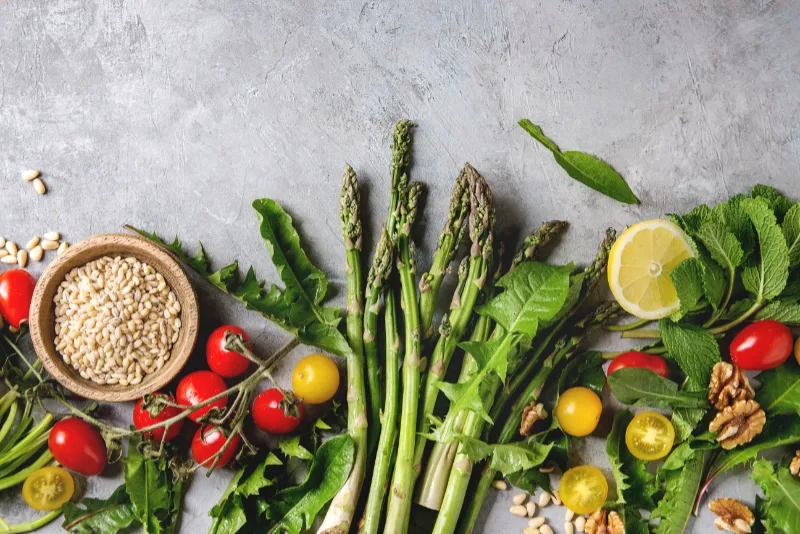
Eat plenty of fresh fruits and vegetables
These are naturally low in purines and rich in antioxidants that may help reduce inflammation. -
Choose whole grains
Opt for brown rice, oats, quinoa, and wholemeal bread instead of refined grains, which can spike blood sugar and worsen inflammation. -
Limit meat and certain fish
Red meats, organ meats, and oily fish like sardines and anchovies are high in purines. Try to enjoy them in moderation or swap them for plant-based proteins more often. -
Be mindful of dairy
Some people find that full-fat dairy may trigger symptoms. Low-fat dairy, however, has been shown in studies to help lower uric acid levels in some individuals—so experiment and see what works for your body. -
Reduce sugar and sweetened drinks
Especially avoid soft drinks and fruit juices high in fructose, which can increase uric acid levels. -
Cut back on ultra-processed foods
Highly processed snacks, fast food, and ready meals often contain hidden sugars, preservatives, and unhealthy fats that may contribute to inflammation and metabolic stress. -
Avoid alcohol—especially beer
Alcohol can interfere with how the body eliminates uric acid, and beer is particularly high in purines. Reducing or eliminating alcohol can significantly lower your risk of flare-ups. -
Drink plenty of water
Staying well-hydrated helps your kidneys flush out excess uric acid and reduces the chances of crystal formation in the joints. Aim for at least 1.5–2 litres a day unless advised otherwise by a healthcare provider.
Alternative Gout Treatments
Alternative Treatments for gout, from supplements to traditional and herbal medicine
Devil's Claw
What is Devil's Claw?
Devil's Claw (Harpagophytum procumbens) is a perennial plant native to the arid regions of southern Africa, particularly Namibia, Botswana, and South Africa. Its name derives from the hook-like structures on its fruit, which resemble claws. The medicinal part of the plant is the tuberous root, which has been traditionally used for its anti-inflammatory and analgesic properties.
Origins and Traditional Use
In traditional African medicine, Devil's Claw has been employed for centuries to treat a variety of ailments, including fever, digestive issues, and pain. Indigenous San and Khoi communities utilized the dried roots to alleviate symptoms of arthritis, rheumatism, and other inflammatory conditions. The plant's use was introduced to Europe in the early 20th century, where it gained popularity as a natural remedy for musculoskeletal disorders.
What Has It Been Used to Treat?
Modern herbal medicine recognizes Devil's Claw for its potential in managing:
-
Osteoarthritis and rheumatoid arthritis
-
Lower back pain
-
Muscle pain and tension
-
Inflammatory conditions, including gout
The active compounds, primarily harpagoside and other iridoid glycosides, are believed to contribute to its anti-inflammatory and analgesic effects.
Devil's Claw and Gout
Gout is characterized by sudden, severe attacks of pain and inflammation in the joints, resulting from elevated uric acid levels leading to crystal formation. While Devil's Claw does not directly reduce uric acid levels, its anti-inflammatory properties may help alleviate the pain and swelling associated with gout attacks.
Some studies suggest that Devil's Claw can be as effective as certain non-steroidal anti-inflammatory drugs (NSAIDs) in reducing pain and improving mobility in osteoarthritis patients. Although specific research on Devil's Claw for gout is limited, its general anti-inflammatory effects may offer symptomatic relief during acute gout episodes.
Safety and Considerations
Devil's Claw is generally well-tolerated when taken at recommended dosages. However, it may cause side effects in some individuals, such as gastrointestinal discomfort, diarrhoea, or allergic reactions. People with peptic ulcers, gallstones, or those on blood-thinning medications should consult a healthcare provider before using Devil's Claw. Due to insufficient safety data, pregnant and breastfeeding women are advised to avoid its use.
Sour Cherry
What are Sour Cherries?
Sour cherries (Prunus cerasus), also called tart cherries or Montmorency cherries, are a small red fruit known for their bright, tangy flavour. Unlike the sweeter varieties often eaten fresh (like Bing cherries), sour cherries are typically used in cooking, baking, juices, and supplements. These cherries grow on small deciduous trees native to Europe and southwest Asia, and they’ve been cultivated for centuries for both culinary and medicinal purposes.
The two main types of sour cherries are:
-
Montmorency – the most common variety used in research and supplements
-
Morello – a darker, richer variety also known for its health benefits
Origins and Traditional Use
Sour cherries have been used as a healing food since ancient times. In Ancient Greece and Rome, physicians such as Galen and Dioscorides noted the digestive and anti-inflammatory properties of cherries. Over the centuries, both sweet and sour cherries have been used in European folk medicine to treat a range of ailments, including arthritis, fevers, and digestive issues.
What Have They Been Used to Treat?
In recent decades, sour cherries have gained attention in nutritional and medical research due to their rich content of anthocyanins—powerful antioxidant and anti-inflammatory compounds. Their known and potential benefits include:
-
Reducing inflammation and joint pain
-
Supporting muscle recovery after exercise
-
Improving sleep quality (due to natural melatonin content)
-
Lowering oxidative stress
-
Supporting heart health
Anthocyanins are thought to work by inhibiting cyclooxygenase enzymes (COX-1 and COX-2), similar to how NSAIDs reduce inflammation.
Sour Cherries and Gout
Sour cherries are among the most widely studied natural remedies for gout. Research suggests that they may help reduce uric acid levels and decrease the frequency of gout attacks.
A 2012 study published in Arthritis & Rheumatism found that gout patients who consumed cherry extract over a two-day period had a 35% lower risk of gout attacks compared to those who didn’t. When cherry extract was combined with allopurinol (a common gout medication), the risk dropped by 75%. Other studies have found that regular consumption of tart cherry juice may help lower serum uric acid levels and reduce inflammation, making it a promising natural adjunct to conventional treatment.
The potential benefits likely stem from a combination of:
-
Anti-inflammatory anthocyanins
-
Antioxidant action
-
Support for uric acid metabolism and excretion
While more large-scale studies are needed, the evidence so far is encouraging.
Safety and Considerations
Sour cherry juice and extracts are generally considered safe and well tolerated. Some people may experience mild stomach upset if they consume large quantities of juice. Because cherries contain natural sugars, those with diabetes or blood sugar concerns should monitor their intake. Sour cherry supplements are available in capsule or powder form and may be a convenient alternative to juice.
As always, people managing gout should consult a healthcare provider before adding new supplements—especially if already on uric acid-lowering medications or anti-inflammatories.
Research:
Cherry consumption and decreased risk of recurrent gout attacks
A pivotal study published in Arthritis & Rheumatism in 2012 investigated the relationship between cherry consumption and the risk of recurrent gout attacks. Conducted by researchers at Boston University, the study followed 633 individuals with gout over a one-year period. The findings revealed that participants who consumed cherries over a two-day span experienced a 35% lower risk of gout attacks compared to those who did not consume cherries. Moreover, when cherry intake was combined with the use of the gout medication allopurinol, the risk of gout attacks was reduced by 75%.
Cherry Consumption and the Risk of Recurrent Gout Attacks
Vitamin C
What is Vitamin C?
Vitamin C, also known as ascorbic acid, is a water-soluble vitamin and powerful antioxidant that is essential for many bodily functions. It plays a vital role in immune support, collagen synthesis (important for skin, joints, and blood vessels), iron absorption, and protection against oxidative stress. Because the human body cannot produce or store vitamin C, it must be consumed regularly through food or supplementation.
Vitamin C is found naturally in a variety of fruits and vegetables, especially citrus fruits (like oranges and lemons), kiwifruit, strawberries, bell peppers, broccoli, and leafy greens.
Origins and Traditional Use
While vitamin C itself wasn’t discovered until the early 20th century, foods rich in vitamin C have been recognised for their healing properties for centuries. In 18th-century Europe, sailors famously used citrus fruits to prevent scurvy—a serious disease caused by vitamin C deficiency, leading to fatigue, bleeding gums, and joint pain.
In Traditional Chinese Medicine (TCM), fruits such as tangerines and goji berries (both good sources of vitamin C) were used to boost immunity and vitality. In Ayurvedic medicine, Indian gooseberry (amla), which is exceptionally rich in vitamin C, has been a central ingredient for thousands of years in rejuvenating formulas like Chyawanprash. Amla was traditionally prescribed to strengthen the immune system, improve digestion, and promote longevity.
These systems understood the therapeutic power of certain fruits long before modern science identified vitamin C as the key compound.
What Has It Been Used to Treat?
Vitamin C has been used both traditionally and in modern medicine to:
-
Prevent and treat scurvy
-
Support the immune system during infections and colds
-
Promote wound healing and skin health
-
Reduce inflammation and oxidative stress
-
Improve iron absorption, especially from plant-based sources
-
Support healthy gums and connective tissue
It’s also commonly used today in antioxidant therapies and integrative protocols for chronic diseases and fatigue-related conditions.
Vitamin C and Gout
Vitamin C is of particular interest in managing gout due to its potential ability to lower uric acid levels in the blood—a key factor in gout flare-ups.
Several studies have examined the relationship between vitamin C intake and uric acid levels:
-
A large 2009 study published in Archives of Internal Medicine followed over 46,000 men and found that higher vitamin C intake was associated with a lower risk of developing gout. Men who took 1,500 mg of vitamin C daily had a 45% lower risk compared to those who consumed less than 250 mg.
-
Other research suggests that vitamin C may help increase the excretion of uric acid by the kidneys, thereby lowering blood levels and potentially reducing the frequency of gout attacks.
However, while vitamin C may offer mild uric acid-lowering effects, it's not a standalone treatment. It’s best used as a supportive strategy, alongside other dietary changes, medications, or lifestyle modifications.
Safety and Considerations
Vitamin C is generally very safe and well tolerated. Since it is water-soluble, excess amounts are typically excreted through urine. However, high doses (usually above 2,000 mg per day) can cause digestive upset, including diarrhoea or stomach cramps in some individuals.
For people with a history of kidney stones or kidney disease, very high doses of vitamin C should be used cautiously, as excessive intake may increase oxalate levels in some cases.
As always, it’s best to speak to a healthcare provider before starting high-dose supplementation, especially if managing other conditions or taking prescription medications.
Research Vitamin C and Gout:
Vitamin C intake and the risk of gout in men: a prospective study
Full Research: Vitamin C Intake and the Risk of Gout in Men A Prospective Study
This landmark study followed nearly 47,000 men over 20 years and found that higher vitamin C intake was associated with a significantly lower risk of developing gout. Specifically, men who consumed 1,500 mg or more of vitamin C daily had a 45% reduced risk compared to those consuming less than 250 mg per day. The study suggests that vitamin C may help prevent gout by lowering serum uric acid levels.
Vitamin C intake and serum uric acid concentration in men
Vitamin C May Reduce Risk of Gout - National Institutes of Health
The National Institutes of Health highlighted the above study, emphasizing that vitamin C supplementation could be a beneficial strategy in gout prevention. The summary notes that vitamin C may help the kidneys remove uric acid more effectively, thereby reducing the likelihood of crystal formation in joints.
This study investigated the impact of 500 mg/day vitamin C supplementation over two months on serum uric acid levels. The results demonstrated a significant reduction in uric acid concentrations, suggesting that vitamin C has a uricosuric effect (enhancing the excretion of uric acid in urine).
Magnesium
What is Magnesium?
Magnesium is a naturally occurring mineral and an essential nutrient for human health. It plays a critical role in over 300 biochemical reactions in the body, including energy production, nerve function, muscle relaxation, blood sugar regulation, and bone development. It also helps maintain a healthy balance of other minerals, like calcium and potassium.
Magnesium is found in a variety of plant and food sources such as leafy green vegetables, nuts, seeds, legumes, whole grains, and mineral-rich water. It's also available in supplement forms, including magnesium citrate, glycinate, oxide, and Epsom salts (magnesium sulfate).
Origins and Traditional Use
Though magnesium as a distinct element was not identified until the 18th century, its effects have been known and utilised for centuries—particularly in the form of magnesium-rich mineral waters and Epsom salt baths, named after the English town of Epsom where the healing spring was discovered.
In Ayurvedic medicine, while magnesium itself wasn’t named, traditional treatments often included magnesium-rich ingredients such as sesame seeds, leafy greens, and certain mineral salts to support muscle function, reduce inflammation, and aid digestion. Ayurveda recognised the benefits of mineral-rich baths and warm compresses to relieve joint pain and stiffness—practices aligned with the use of Epsom salts today.
In Traditional Chinese Medicine (TCM), magnesium wasn't isolated as a nutrient, but many magnesium-containing foods were incorporated into healing diets. TCM also used herbal mineral formulas and therapeutic soaks to help balance the body, reduce “heat,” and alleviate symptoms such as joint swelling or tightness.
What Has It Been Used to Treat?
Modern medicine and natural health practitioners use magnesium for a wide variety of conditions, including:
-
Muscle cramps, spasms, and tension
-
Migraines and headaches
-
Anxiety and insomnia
-
Constipation (as a gentle laxative)
-
Blood pressure regulation and heart rhythm support
-
Bone health and prevention of osteoporosis
-
Fatigue and chronic stress recovery
Its calming effect on the nervous system and its role in detoxification make it an important nutrient for general wellbeing.
Magnesium and Gout
When it comes to gout, magnesium may not directly lower uric acid levels, but it can be helpful in a supportive and preventative role, particularly in people who may be magnesium deficient.
Magnesium has natural anti-inflammatory properties and can help reduce the likelihood of flare-ups by supporting kidney function and promoting a healthy acid-alkaline balance in the body. Some small studies and observational data suggest that magnesium deficiency may be associated with elevated uric acid levels and poor renal clearance of waste products, including uric acid.
Additionally, magnesium’s muscle-relaxing and circulation-enhancing properties may be beneficial during an acute gout flare, helping to reduce discomfort in surrounding tissues and joints.
A review published in Biological Trace Element Research (2015) suggested that magnesium intake was inversely associated with serum uric acid levels in certain populations. While more targeted studies are needed, maintaining healthy magnesium levels may be a low-risk, potentially helpful strategy for gout prevention and overall joint health.
Safety and Considerations
Magnesium is generally safe when taken in appropriate amounts. However, taking too much—especially in supplement or laxative form—can cause diarrhoea or digestive upset. People with kidney disease should be cautious, as their bodies may struggle to excrete excess magnesium.
Forms like magnesium citrate, glycinate, and malate tend to be better absorbed and gentler on the digestive system than magnesium oxide. Epsom salt baths (magnesium sulfate) can also be a soothing way to absorb magnesium through the skin, especially for joint and muscle relief.
As always, it’s best to consult a healthcare provider before starting supplementation, particularly if you are on medication or managing other health conditions.
Research:
Dietary Magnesium Intake and Hyperuricemia among US Adults
This study analyzed data from the National Health and Nutrition Examination Survey (NHANES) and found that higher dietary magnesium intake was associated with a decreased risk of hyperuricemia. The researchers concluded that magnesium intake might play a protective role against elevated uric acid levels.
Magnesium depletion score and gout: insights from NHANES data
This research utilized the Magnesium Depletion Score (MDS) to assess magnesium status in relation to gout prevalence. The findings indicated that individuals with higher MDS, indicating lower magnesium levels, had a significantly increased risk of gout. This suggests that magnesium deficiency may be linked to a higher likelihood of developing gout.
Theobromine
What is Theobromine?
Theobromine is a naturally occurring compound found primarily in cacao plants (Theobroma cacao)—the very same plant used to make chocolate. It belongs to a class of chemicals called methylxanthines, including caffeine and theophylline. Theobromine has a similar structure to caffeine but produces gentler, longer-lasting stimulant effects.
The name Theobroma comes from Greek, meaning “food of the gods,” reflecting the deep cultural and spiritual significance cacao has held for thousands of years. Theobromine is most concentrated in raw cacao and dark chocolate, with smaller amounts found in yerba mate and tea leaves.
Origins and Traditional Use
Theobromine-rich cacao has been consumed for millennia by Indigenous peoples of Central and South America, particularly the Maya, Aztec, and Olmec civilizations. These cultures consumed cacao as a ceremonial drink, often mixed with spices and served unsweetened. It was used to boost stamina, elevate mood, and increase alertness, and was even considered sacred—offered to the gods and consumed by priests and warriors.
Though theobromine itself wasn’t isolated until the 19th century, cacao’s stimulating and therapeutic properties were well recognised in ancient traditions. It was often used to treat fatigue, coughs, inflammation, and digestive complaints.
Theobromine was not part of Traditional Chinese Medicine or Ayurveda per se, but the energising and mood-enhancing properties of cacao have led modern integrative practitioners in these traditions to incorporate raw cacao or cacao-based formulations for gentle stimulation and heart support.
What Has It Been Used to Treat?
Modern research and traditional knowledge suggest that theobromine may support:
-
Energy and mental alertness (without the jitters often caused by caffeine)
-
Mood enhancement, potentially by increasing serotonin levels
-
Cardiovascular health, including mild vasodilation (widening of blood vessels)
-
Bronchodilation, helping to open airways and ease breathing (similar to theophylline)
-
Cough suppression, particularly in chronic or dry coughs
-
Mild diuresis, helping flush excess fluids through the kidneys
It’s also known for having antioxidant properties and may play a role in reducing inflammation in certain contexts.
Theobromine and Gout
Theobromine’s potential relevance to gout lies in a few key actions:
-
Mild diuretic effect – This can support the excretion of uric acid through the kidneys. While not a uric acid-lowering compound directly, theobromine may assist in reducing serum levels over time by encouraging regular urination and detoxification.
-
Anti-inflammatory and vasodilatory properties – Theobromine may help reduce pain and inflammation associated with gout attacks by improving blood flow and easing vascular constriction in the affected joints.
-
Caffeine-free stimulant – For individuals with gout-related fatigue or who want to avoid caffeine due to its association with dehydration or over-stimulation, theobromine provides a more balanced, sustainable lift in energy and mood.
Although direct clinical trials on theobromine for gout are limited, a 2021 study in Frontiers in Pharmacology suggested that methylxanthines like theobromine may have therapeutic potential in inflammatory diseases due to their anti-inflammatory, antioxidant, and vasorelaxant properties.
Safety and Considerations
Theobromine is generally well tolerated by humans at moderate doses. It is less stimulating than caffeine, but large amounts may cause restlessness, nausea, or heart palpitations in sensitive individuals. Unlike in humans, theobromine is toxic to pets (especially dogs and cats), so cacao products should be kept out of their reach.
Raw cacao powder or dark chocolate (preferably with minimal added sugar) are the most common natural sources of theobromine, and it’s also available in supplement form. As always, those with chronic conditions—especially kidney issues or cardiovascular concerns—should consult a healthcare provider before using it therapeutically.
Research:
This study investigated the effect of theobromine on uric acid crystallization. The findings demonstrated that theobromine significantly inhibits the nucleation and growth of uric acid crystals, suggesting its potential utility in preventing uric acid nephrolithiasis.
Effect of theobromine on dissolution of uric acid kidney stones
In this research, theobromine's ability to dissolve uric acid kidney stones was assessed. The study concluded that theobromine significantly enhances the dissolution of uric acid calculi, indicating its potential as a therapeutic agent in managing uric acid stones
Theobromine for treatment of uric acid stones and other diseases
This review highlights theobromine's role in inhibiting uric acid crystallization and promoting the dissolution of uric acid stones. The study suggests that theobromine could be used in combination with urinary alkalinization to enhance the treatment of uric acid nephrolithiasis
This study examined the impact of cocoa-derived products, rich in theobromine, on uric acid crystallization in urine. The results indicated that consumption of these products reduced the risk of uric acid crystallization, suggesting a protective effect against gout.
Celery Seed Extract
What is Celery Seed Extract?
Celery seed extract is derived from the seeds of the celery plant (Apium graveolens), a member of the Apiaceae (carrot) family. While many of us are familiar with celery as a crunchy vegetable, the seeds have a long history in herbal and traditional medicine due to their potent therapeutic properties. These tiny seeds contain a variety of active compounds, including phthalides, flavonoids, and essential oils, with 3-n-butylphthalide (3nB) being one of the most studied.
The extract is commonly used in supplement form—either as capsules, tinctures, or standardized concentrates—to capture the medicinal benefits of the seeds without having to consume them in large amounts.
Origins and Traditional Use
Celery seeds have been used as a healing remedy for thousands of years in a variety of traditional medicine systems:
-
In Ayurvedic medicine, celery seed (known as Ajmoda) has long been used to treat digestive issues, arthritis, water retention, and inflammation. It was often included in formulations to support the urinary system and to calm “vata” imbalances, which are associated with stiffness and joint pain.
-
In Traditional Chinese Medicine (TCM), celery seeds were valued for their ability to cool the body, promote circulation, and support liver and kidney health. They were commonly used to treat hypertension, joint swelling, and urinary problems, often seen as signs of excess "heat" or internal stagnation.
-
In Ancient Greek and Roman medicine, celery and its seeds were used to promote calmness, digestion, and balance, and it was often part of general wellness tonics.
What Has It Been Used to Treat?
Today, celery seed extract is recognised for a wide range of health-supporting benefits, including:
-
Reducing inflammation, especially in joints
-
Supporting healthy blood pressure levels
-
Promoting uric acid elimination via its diuretic action
-
Easing arthritis and gout-related pain
-
Acting as an antioxidant to combat free radical damage
-
Supporting liver and kidney detoxification
The active compound 3nB is believed to be responsible for celery seed’s anti-inflammatory, antihypertensive, and uricosuric (uric acid-eliminating) properties.
Celery Seed Extract and Gout
Celery seed extract is particularly promising as a natural aid for gout, thanks to a few important actions:
-
Diuretic effect: It encourages increased urine output, which may help the kidneys flush out excess uric acid more efficiently.
-
Anti-inflammatory properties: It may help relieve the swelling and pain experienced during acute gout flares.
-
Uric acid balance: Some laboratory and animal studies suggest that celery seed may inhibit xanthine oxidase, an enzyme involved in uric acid production—similar to how some gout medications work.
While clinical studies on celery seed and gout specifically are still limited, many natural health practitioners and herbalists use it as part of a supportive protocol for people who experience recurring gout attacks or want to prevent flare-ups.
Safety and Considerations
Celery seed extract is generally considered safe when used as directed, though it may not be suitable for everyone. Possible considerations include:
-
It may interact with diuretics or blood pressure medications, amplifying their effects.
-
People with celery allergies should avoid it.
-
It should be avoided during pregnancy, as it may stimulate the uterus.
-
Due to its diuretic nature, staying hydrated while using it is essential.
As always, it’s best to consult a doctor before starting any new supplement—especially for individuals already managing gout with medication or who have kidney issues.
Research:
Anti‑gouty arthritis and anti‑hyperuricemia properties of celery seed extracts in rodent models -
This study investigated the effects of celery seed aqueous extract (CSAE) and celery seed oil extract (CSOL) in rodent models of gout. The findings indicated that both extracts reduced serum uric acid levels and xanthine oxidase activity. Additionally, they alleviated joint swelling and modulated inflammatory cytokines, suggesting potential anti-gout properties through anti-inflammatory and antioxidative effects.
This research focused on identifying compounds in celery seeds that inhibit xanthine oxidase, an enzyme involved in uric acid production. The study highlighted flavonoids, such as luteolin-7-O-6′-malonyl glucoside, as potential inhibitors, providing a chemical basis for celery seed's anti-gout effects.
Effect of Apium Graveolens (Celery) Seed Extract on Serum Uric Acid
Level of Hyperuricemic Rats and its Comparison with Allopurinol -
In this animal study, researchers compared the effects of celery seed extract with allopurinol, a standard gout medication. The results showed that celery seed extract significantly reduced serum uric acid levels in hyperuricemic rats, with effects comparable to allopurinol, suggesting its potential as a natural alternative.
This study examined the potential of celery as a hypouricemic agent at biochemical, molecular, and cellular levels. The findings indicated that celery administration significantly reduced serum uric acid levels, xanthine oxidase activity, and inflammatory markers in hyperuricemic mice. The study concluded that celery can potentially reduce the damaging effects of hyperuricemia.
Banaba Leaf Extract
What is Banana Leaf Extract?
Banana leaf extract is derived from the leaves of the banana plant (Musa spp.), a large, fast-growing herbaceous plant native to Southeast Asia but now cultivated widely in tropical and subtropical regions around the world. While bananas are well known for their fruit, traditional medicine systems have long valued the leaves for their antioxidant, anti-inflammatory, and wound-healing properties.
Banana leaves are rich in natural compounds like polyphenols (including flavonoids), tannins, saponins, and alkaloids—many of which contribute to their medicinal effects. The extract can be made by boiling or infusing the leaves, or through more refined methods in modern herbal supplements.
Origins and Traditional Use
Banana leaves have played a healing role for centuries in Ayurvedic, Southeast Asian, and folk medicine systems:
-
In Ayurveda, banana leaves and their extracts were traditionally used to soothe inflammation, treat burns, skin disorders, and digestive issues, and reduce "pitta" imbalances, which are associated with heat, inflammation, and acidity in the body.
-
In Southeast Asian and Pacific Islander medicine, banana leaves were applied topically to treat wounds, fevers, and rashes, or consumed as a tea to aid digestion and detoxification. The plant was believed to have cooling, purifying, and anti-toxic effects.
-
In some Traditional Chinese Medicine (TCM) practices, banana flowers and pseudostems were used for similar anti-inflammatory and detoxifying purposes, though the leaves themselves were not a major component in TCM pharmacopeia.
What Has It Been Used to Treat?
Traditionally and in modern herbal practice, banana leaf and its extracts have been used for:
-
Reducing inflammation in the skin and joints
-
Promoting wound healing and tissue regeneration
-
Treating stomach ulcers and digestive issues
-
Detoxification and liver support
-
Reducing oxidative stress due to its rich antioxidant content
-
Supporting kidney and urinary tract health
These effects are largely attributed to the polyphenolic compounds found in banana leaves, which have demonstrated anti-inflammatory and antimicrobial actions in several laboratory and animal studies.
Banana Leaf Extract and Gout
Though research on banana leaf extract and gout specifically is still emerging, its anti-inflammatory and antioxidant properties suggest it could offer supportive benefits in managing gout symptoms. Gout is characterized by intense inflammation caused by uric acid crystal deposits in joints, and natural agents that reduce inflammatory response or support detoxification may be helpful adjuncts.
Several laboratory studies have shown that banana leaf extract:
-
Inhibits pro-inflammatory enzymes like COX-2
-
Reduces oxidative stress markers in cells
-
Promotes liver and kidney function, potentially assisting in uric acid clearance
A 2020 study published in Pharmacognosy Journal found that banana leaf extract showed significant anti-inflammatory effects in animal models, supporting its traditional use in inflammatory conditions. Though direct evidence for gout is lacking, its actions suggest potential benefits when included as part of a broader natural support protocol.
Safety and Considerations
Banana leaf extract is generally regarded as safe, particularly when used in traditional preparations (like teas or poultices). However:
-
High-concentration extracts should be used cautiously and under professional guidance, especially if taking medications for gout or inflammation.
-
Always ensure the source is clean and free from pesticides or contamination if using the leaves in homemade remedies.
-
Individuals with latex allergies (as bananas are latex-related) should use caution, as some components may cross-react.
As always, consult with a healthcare provider or herbalist before introducing a new herbal extract—especially if you are managing a chronic condition like gout.
Banaba leaf extract (Lagerstroemia speciosa) or Tea - The leaves contain corsolic acid - a naturally occurring acid that possesses anti-viral, anti-fungal, antioxidant, anti-inflammatory, and anti-diabetic properties. Banaba also contains ellagitannins, a class of compounds with antioxidant effects.
Filipinos have been boiling the leaves of Banaba for centuries to treat gout
Ermiao wan: Chinese herb used to reduce inflammation
Research:
A study published in the Journal of Pharmacognosy and Phytochemistry evaluated the antioxidant and anti-inflammatory activities of peel extracts from two varieties of Musa acuminata (red banana and rasthali). The research demonstrated that these extracts possess significant antioxidant and anti-inflammatory properties, suggesting their potential as natural therapeutic agents
Research published in Food Bioscience investigated the anti-inflammatory effects of an anthocyanin-rich extract from banana bract. The study found that the extract exhibited significant anti-inflammatory activity, indicating its potential for use in managing inflammatory conditions
A study assessed the anti-inflammatory activity of Musa paradisiaca L. peel extract using the human red blood cell membrane stabilization method. The findings indicated that the banana peel extract has significant anti-inflammatory properties, supporting its traditional use in treating inflammation-related ailments
Published in Toxicology Research and Application, this study demonstrated that banana peel extract can attenuate heavy metal-induced inflammation and oxidative stress, highlighting its potential as a natural remedy for inflammatory conditions.
A review of the efficacy and safety of banaba (Lagerstroemia speciosa L.) and corosolic acid.
Niacin can increase levels of uric acid in your body: Drug-induced gout