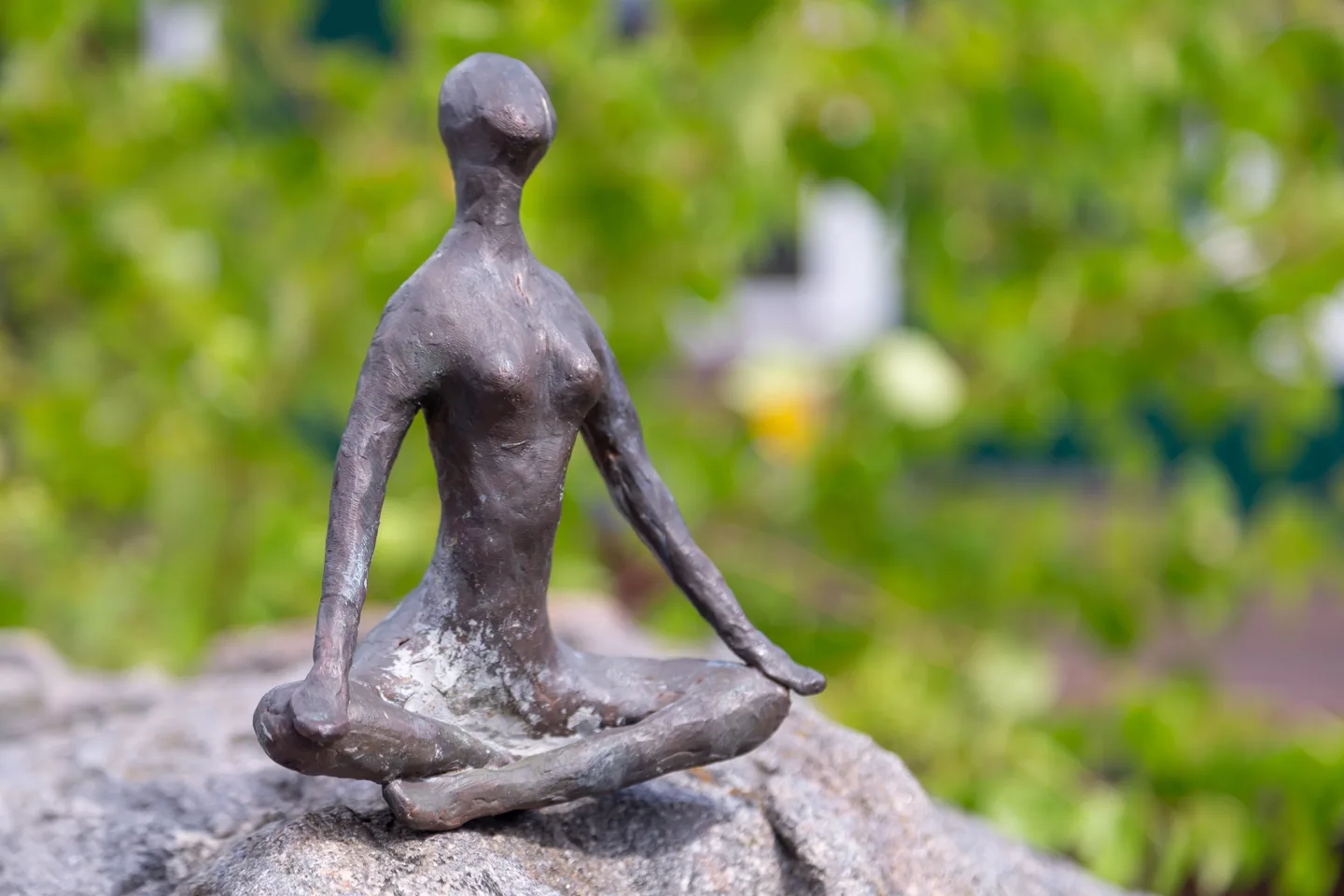
In today’s busy world, finding peace and clarity can feel like searching for sunlight through the clouds. Between screens, schedules, and stress, our inner balance often gets pushed aside. That’s where Sadhana Yoga comes in — a daily practice that nourishes not just your body, but also your mind and soul.
Whether you’re already a dedicated yogi or just beginning to explore mindfulness, Sadhana Yoga offers a grounded, heart-centred path to reconnect with yourself and the world around you.
What Is Sadhana Yoga?
The word Sadhana comes from Sanskrit and means “a disciplined practice” or “spiritual effort.” It’s not a specific style of yoga like Hatha or Vinyasa — rather, it’s a personal daily routine designed to align your physical, mental, and spiritual energy.
Think of it as your sacred time each day — a way to reset, reflect, and refocus.
Your Sadhana might include:
Asana (physical yoga postures)
Pranayama (breathing exercises)
Meditation or chanting (mantra practice)
Study or reflection (self-inquiry or reading spiritual texts)
It’s not about perfection or performance — it’s about showing up. Your Sadhana becomes a mirror for your inner state and a tool for transformation over time.
Why Practice Sadhana Yoga?
Most of us spend our days outwardly focused — reacting to messages, tasks, and noise. Sadhana Yoga gently turns your attention inward. This practice gives you a chance to connect with your true self before the world gets busy.
Here are some of the benefits people experience:
1. Mental Clarity and Focus
Sitting in meditation or performing slow, intentional movements helps calm the mind. You begin to notice thoughts without getting caught up in them — a skill that spills over into daily life.
2. Emotional Balance
Breathwork and mindfulness help regulate the nervous system, reducing anxiety and stress. Over time, your reactions soften, and patience and compassion naturally grow.
3. Physical Strength and Energy
Regular practice supports flexibility, strength, and vitality. Even a short daily sequence improves circulation and energy flow, leaving you more grounded and energised.
4. Spiritual Connection
Sadhana isn’t just self-care — it’s soul-care. It creates space to listen to your intuition, connect with gratitude, and feel part of something greater than yourself.
How to Create Your Own Sadhana Practice
There’s no one-size-fits-all approach. Your Sadhana can be simple or elaborate, short or long. What matters is consistency and sincerity.
Here’s how to begin:
1. Set a Time
Traditionally, Sadhana is done early in the morning — ideally before sunrise, when the world is quiet and energy is calm. But if mornings don’t work for you, choose any time you can commit to daily.
Start small: even 15–20 minutes can have a profound effect.
2. Create a Sacred Space
Find a corner of your home that feels peaceful. Add a cushion, a candle, or a plant — anything that reminds you of stillness and nature. Keep your phone away, and let this space become your daily sanctuary.
3. Include These Core Elements
Movement (Asana)
Begin with gentle stretches or sun salutations to awaken your body. Move with awareness — focus on breath and sensation rather than form.
Breath (Pranayama)
Try simple breath practices like:
Nadi Shodhana (alternate nostril breathing) to balance energy.
Kapalabhati (skull-shining breath) to energise.
Deep belly breathing to calm the nervous system.
Meditation or Mantra
Sit quietly, observe your breath, or repeat a mantra. A popular one in Sadhana is Sat Nam (“Truth is my identity”) — it centres you in authenticity and awareness.
Reflection or Study
End your practice by reading something inspiring — perhaps a line from the Bhagavad Gita, a mindfulness book, or simply reflecting in a journal. Ask yourself: How do I want to show up in the world today?
Tips for Staying Consistent
Like any habit, Sadhana becomes powerful through repetition. Here are a few gentle reminders:
Start small and grow. Begin with 10 minutes; increase as you feel called.
Don’t judge your practice. Some days you’ll feel still and peaceful; others may feel restless. Both are part of the journey.
Keep a journal. Note how you feel before and after — it helps you notice subtle shifts over time.
Be flexible. If you miss a morning, try an evening Sadhana instead. What matters is returning to your practice.
Remember: Sadhana isn’t about being “good” at yoga. It’s about reconnecting with your essence — the calm, clear awareness that’s always within you.
Sadhana Yoga and the Plant-Based Lifestyle
If you follow a plant-based path, Sadhana complements it beautifully. Both are rooted in ahimsa — the principle of non-violence and compassion toward all beings, including yourself.
Just as eating plant-based food nourishes your body with light, living energy, Sadhana nourishes your inner landscape. Together, they create a holistic approach to wellness that is kind to the planet and deeply grounding for you.
You might even use your Sadhana to set intentions before preparing meals or eating — a quiet moment of gratitude for the plants and people that sustain you.
The Deeper Meaning of Sadhana
Over time, Sadhana becomes more than a routine — it becomes a relationship with yourself.
You’ll notice that when you skip it, something feels missing. When you return, even for a few minutes, balance and clarity return too.
Many teachers describe Sadhana as a daily meeting with your soul. It’s a way to remember who you are beneath the noise and to live with purpose, presence, and peace.
A Simple Morning Sadhana Routine (15 Minutes)
Here’s a gentle routine you can try tomorrow:
Settle in (1 min) – Sit comfortably, close your eyes, and take three deep breaths.
Gentle Movement (5 mins) – Stretch your arms, roll your neck and shoulders, and flow through a few sun salutations.
Breathing Practice (3 mins) – Try alternate nostril breathing or slow deep breaths.
Meditation or Mantra (5 mins) – Sit quietly and focus on your breath or repeat “Sat Nam.”
Gratitude (1 min) – Place your hands on your heart and express thanks for the new day.
That’s it — your daily dose of stillness, strength, and serenity.
Final Thoughts Sadhana Yoga
Sadhana Yoga isn’t just a practice — it’s a promise to yourself.
A promise to slow down, breathe deeply, and reconnect with your inner peace.
Over time, this simple daily ritual can transform not only how you feel, but how you live.
So tomorrow morning, before the world wakes up, take a few quiet minutes for your Sadhana.
You might just find that it becomes your favourite part of the day.
“Your daily Sadhana is the seed — your peace, joy, and purpose are the garden that grows from it.”