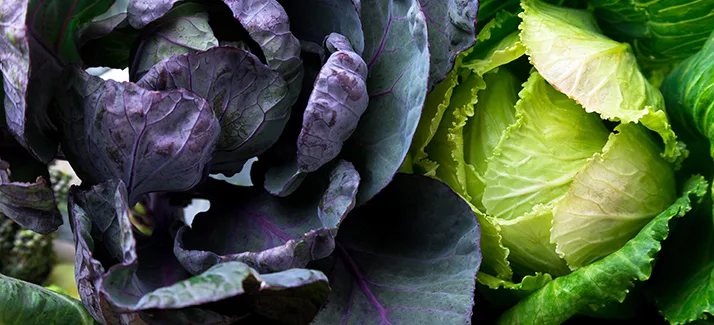
Cruciferous vegetables are part of the Brassica / Brassicaceae family of plants.
Cruciferous vegetables are rich in nutrients, including several carotenoids (beta-carotene, lutein, zeaxanthin); vitamins C, E, and K; folate; and minerals and a good fiber source.
In addition, cruciferous vegetables contain a group of substances known as glucosinolates, which are sulfur-containing chemicals that are converted into extremely high anti-cancer
Brussels sprouts, broccoli, cabbage, cauliflower, bok choy, kale, collards, broccoli sprouts, Chinese broccoli, broccoli raab, kohlrabi, mustard, turnip, radish, rocket and watercress.
Cruciferous Vegetables Research
Additional Reading:
Cruciferous Vegetables and Cancer Prevention - National Cancer Centre
Cruciferous Vegetables: Cancer Killer or Thyroid Killer? - Dr Axe