Glucosinolates - Health Benefits of sulfur containing compounds

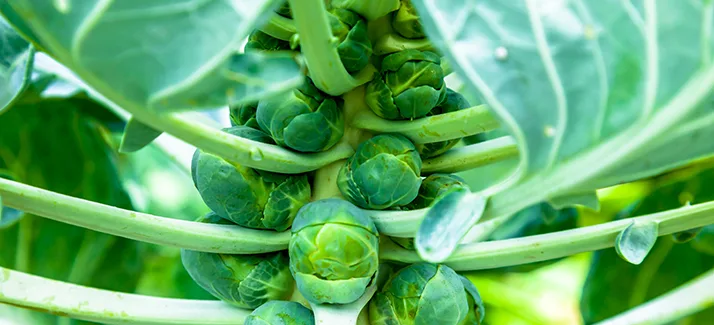
Brussels sprouts growing on a stalk

Glucosinolates are sulfur-containing compounds found in brassica cruciferous vegetables.

Glucosinolates Rich Foods

Arugula
Bok choy
Broccoli
Brussels sprouts
Cabbage
Cauliflower
Collard greens
Horseradish
Kale
Radishes
Rutabaga
Turnips
Watercress
Wasabi

Mustard Oils

The pungency taste of those plants is due to mustard oils produced from glucosinolates. This flavour is released when the plant material is chewed, cut, or otherwise damaged.

Research

Glucosinolates: bioavailability and importance to health

Chemoprotective glucosinolates and isothiocyanates of broccoli sprouts: metabolism and excretion in humans.

Effect of cooking brassica vegetables on the subsequent hydrolysis and metabolic fate of glucosinolates.

Effect of storage, processing and cooking on glucosinolate content of Brassica vegetables.

Glucosinolates in Brassica vegetables: the influence of the food supply chain on intake, bioavailability and human health.

Heat treatment of Brussels sprouts retains their ability to induce detoxification enzyme expression in vitro and in vivo.

Glucosinolates: Molecular structure, breakdown, genetic, bioavailability, properties and healthy and adverse effects.

Glucosinolates: bioavailability and importance to health.

Bioavailability of Glucosinolates and Their Breakdown Products: Impact of Processing.


Resources

General guidance and further reading. These links have not been checked against the individual claims on this page.

  1. NHS: The vegan diet

    Public health guidance on planning a vegan diet and getting essential nutrients.

  2. British Dietetic Association: Vegetarian, vegan and plant-based diet

    Dietitian guidance on plant-based eating. The fact sheet is currently under review by the BDA.

  3. NHS: The Eatwell Guide

    Guidance on food groups and the balance of foods across a day or week.

Keep exploring

You might also enjoy

All articles ↗