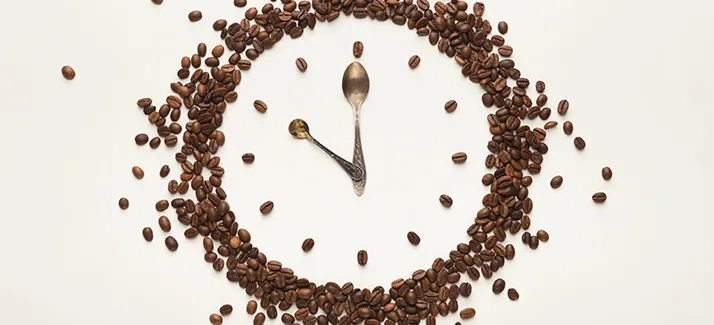
Circadian Rhythm often referred to as the "body clock," is an internal process that regulates the sleep and wake cycles within the body.
Ever wondered why morning people like mornings better whereas night people like nights. This is is natural circadian rhythm and paying attention to our natural inclinations is very important for health and well being.
Circadian rhythm is a 24-hour cycle setting the pace for our bodies and minds. Telling us when we need sleep, time to get up, and when we need to nourish our bodies and eat.
Think of it as your "master clock" located in a tiny region of the brain called the suprachiasmatic nucleus (SCN) responsible for controlling circadian rhythms.
Circadian Rhythm Health
Circadian rhythms are fairly straightforward its the way our bodies restore and reprogram itself while we sleep and burn during the day.
The less wear-and-tear and disruption on our body clocks means less long-term health issues.
Keeping your sleep and waking times consistent and getting enough sleep or can have a negative impact on your mood, focus, cognitive function, and then linked to chronic disease.
Establish a consistent routine 7 days a week
Watch the accompanying video ↗
Circadian Rhythm Research:
Circadian rhythms, time-restricted feeding, and healthy aging
Circadian rhythms, nutrition and implications for longevity in urban environments.
Calorie restriction regulates circadian clock gene expression through BMAL1 dependent and independent mechanisms
Circadian Integration of Metabolism and Energetics
Circadian regulation of metabolism
Sleep/wake cycle, circadian disruption and the development of obesity
The Suprachiasmatic Nucleus, Circadian Clocks, and the Liver
The suprachiasmatic nucleus controls circadian energy metabolism and hepatic insulin sensitivity