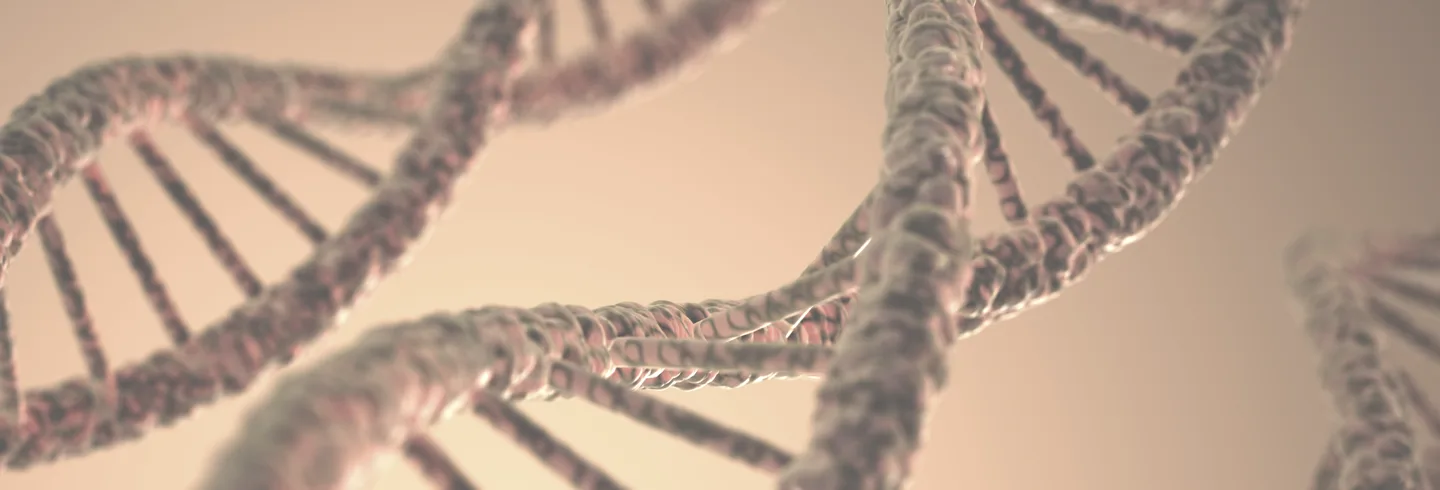
Epigenetics may be something you have never heard of and are unsure if it even affects your life. Well, it does, it affects every human being on planet earth.
Our genes play a huge role in who and what we are but also our health. Epigenetics is how your environment, what you eat and even physical exercise affects how your genes act and result in epigenetic changes which are called "Gene Expression".
There are many types of lifestyle factors that can affect epigenetic markers and we must understand the importance of keeping our genes happy and healthy.
It is very important to understand that epigenetics plays a huge role in our lives. The good news is that it is possible to make changes that can improve your health.
What is epigenetics?
Epigenetics describes the study of heritable changes in gene expression that are not encoded in DNA sequence.
In plain English, epigenetics is how your activities, food and environment can cause changes in how your genes work in good and bad ways.
Our genetics and DNA sequence are set in stone but not epigenetic it is changeable and reversible because it is how your body reads your DNA.
Definition of Epigenetics
Epigenetics comes from the Greek word “epi” meaning above or on top of. Epigenetics, therefore, refers to changes that occur on top of the DNA sequence. These changes can occur on both the DNA molecule and on the proteins called histones that package the DNA. Unlike permanent genetic changes, epigenetic changes can be reversed.
The study of epigenetics is important because it helps to explain how environmental factors can influence gene expression and how diseases can be caused by changes in gene expression rather than changes in the DNA sequence itself.
Epigenetics and Disease
Epigenetics has been linked to a variety of diseases, including cancer, neurological disorders, and autoimmune disorders. In cancer, epigenetic changes can cause cells to become cancerous by turning on genes that should be turned off.
Epigenetic changes can also contribute to the development of neurological disorders like Alzheimer’s disease by affecting gene expression in the brain. In autoimmune disorders, epigenetic changes can cause the immune system to attack the body’s own cells.
Understanding Epigenetics
Watch the accompanying video ↗
Watch the accompanying video ↗
Watch the accompanying video ↗
You are what you eat – Epigenetics
Watch the accompanying video ↗
What is the difference between genetics and epigenetics?
Genetics is the study of genes and how they are inherited from one generation to the next. Epigenetics, on the other hand, is the study of changes in gene expression that occur without changes to the underlying DNA sequence.
Epigenetic changes can be caused by a variety of factors, including environmental factors like diet and stress.
Future Directions in Epigenetics
Epigenetics is a rapidly growing field of study, and many exciting avenues of research are being explored. Some current research trends include the study of epigenetics in personalized medicine, the development of new epigenetic drugs, and the study of epigenetics in complex diseases like schizophrenia.
Epigenetics is an essential field of study that helps to explain how environmental factors can influence gene expression and how changes in gene expression can cause diseases. The study of epigenetics has implications for development, disease, behaviour, ageing, and therapy. As research in this field continues to grow, we may discover new ways to prevent and treat a variety of diseases.