Mitochondria

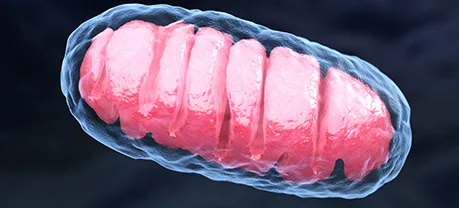
Illustration of a mitochondrion

Mitochondria are the cell's power producers that produce about 90% of the chemical energy that cells need to survive. 

What is Mitochondria?

Mitochondria are the working organelles, a specialised part of a cell having some specific function which is to keep the cell full of energy.

They are the sites of cellular respiration and convert energy into forms that are usable by the cell.

How Mitochondria creates energy

Turning sugars, fats and proteins from our food into a form of chemical energy that the body uses in our day to day lives.

They also produce chemicals that your body needs to break down waste products and recycle where possible to save energy.


Mitochondria Research:

Mitochondria, oxidative stress and ageing.

Mitochondria

Resources

General guidance and further reading. These links have not been checked against the individual claims on this page.

  1. NHS: The vegan diet

    Public health guidance on planning a vegan diet and getting essential nutrients.

  2. British Dietetic Association: Vegetarian, vegan and plant-based diet

    Dietitian guidance on plant-based eating. The fact sheet is currently under review by the BDA.

  3. NHS: The Eatwell Guide

    Guidance on food groups and the balance of foods across a day or week.

Keep exploring

You might also enjoy

All articles ↗