When it comes to nutrition, one word that often comes up is "calories." Whether you are trying to lose weight, gain muscle, or simply maintain your current weight, understanding calories is important.
Calories are essential for human health as they give us the energy to function. The body needs calories to survive. Everyone needs varying amounts of energy daily, depending on factors like age, sex, and activity level.
Humans absorb energy from the food and drink consumed daily. Without this energy, and calories in our food cells in the body can start to die off.
The key is understanding and consuming the right amount you need, not too much and not too little. Everybody needs different amounts of calories daily depending on lifestyle due to different metabolisms and energy burn rates due to activity levels.
What are calories?
Calories are units of energy that are in the food or drink we consume. Calories are a unit of measurement for energy. Specifically, they measure the amount of energy released when the body burns or metabolises a portion of food. The scientific definition of a calorie is the amount of energy required to raise the temperature of one gram of water by one degree Celsius.
There are three different types of calories:
Kilocalories (kcal): This is the most common measurement of calories in food. One kilocalorie is equal to 1000 calories.
Calories (cal): This is the measurement used in scientific studies.
Joules (J): This is the metric system unit of energy.
The term calorie well kilocalories (kcal) started back in early 19th century, when scientists used it to define the amount of heat food generated and how long it took to raise the temperature of water. The term kilocalorie became just calories moving into the 20th century when calories became scientifically known as joules - Kilojoules (kJ).
How Calories Affect Your Body
When you eat food, your body breaks it down into its component parts, including calories. Your body then uses these calories for energy to power your bodily functions, such as breathing, circulating blood, and maintaining body temperature.
If you consume more calories than your body needs, the excess calories are stored as fat. Over time, this can lead to weight gain and other health problems. Conversely, if you consume fewer calories than your body needs, your body will begin to burn stored fat for energy, leading to weight loss.
Finding Calorie Details
Calories are listed on food packaging to indicate the amount of energy they offer but not all calories are equal. Foods, such as higher fatty food, fried foods, and processed foods, have higher calories but far less nutritional value.
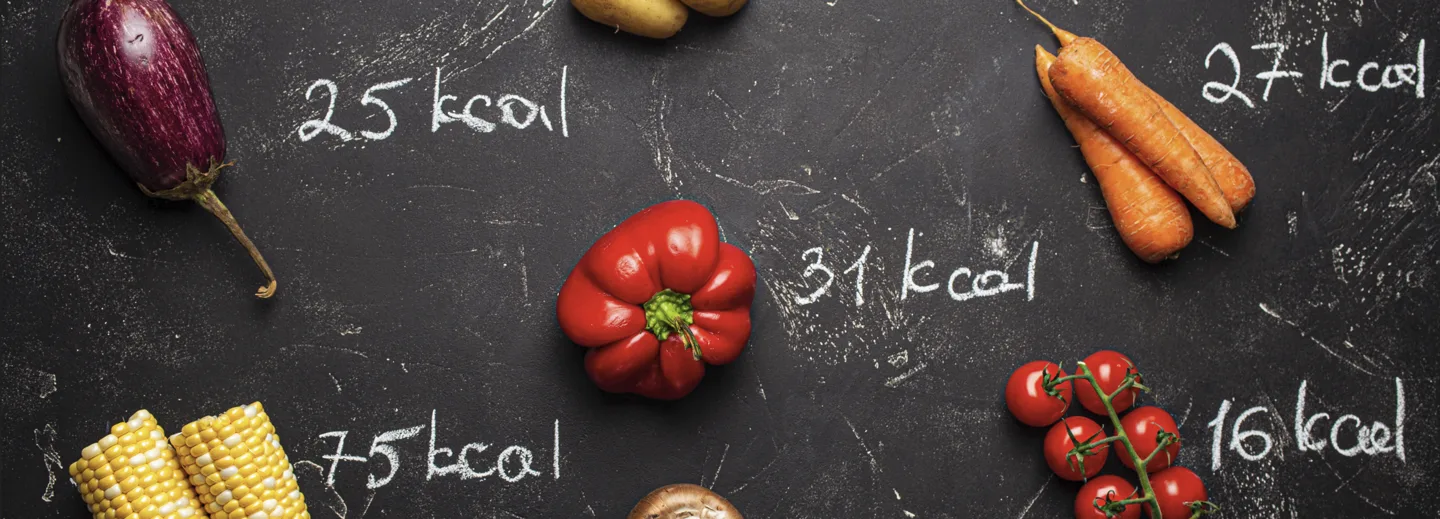
Foods like fruit and vegetables, tend to have fewer calories but provide a higher more varied nutritional range which hugely benefits health.
Calories give us enough energy to be active and move around, even staying warm requires energy, and just thinking about calories requires energy. We need calories to function.
How many calories do we need?
How many calories we require each day depends on many things like age, whether we’re on a diet trying to lose weight, how much sport or how active our jobs are, and many other factors.
The number of calories you need per day depends on a variety of factors, including your age, sex, height, weight, and activity level. The general rule of thumb is that to maintain your current weight, you need to consume the same number of calories that your body burns each day.
To calculate your daily caloric needs, you first need to determine your basal metabolic rate (BMR).
Your BMR is the number of calories your body burns at rest, just to keep your basic bodily functions running. To calculate your BMR, you can use an online calculator or the following formula:
- For men: BMR = 88.36 + (13.4 x weight in kg) + (4.8 x height in cm) - (5.7 x age in years)
- For women: BMR = 447.6 + (9.2 x weight in kg) + (3.1 x height in cm) - (4.3 x age in years)
Once you have calculated your BMR, you can use a multiplier to estimate your total daily energy expenditure (TDEE). This multiplier takes into account your activity level, with sedentary individuals requiring fewer calories than those who are highly active.
Here are some common multipliers to use based on your activity level:
- Sedentary: BMR x 1.2 (little to no exercise)
- Lightly active: BMR x 1.375 (light exercise or sports 1-3 days per week)
- Moderately active: BMR x 1.55 (moderate exercise or sports 3-5 days per week)
- Very active: BMR x 1.725 (hard exercise or sports 6-7 days per week)
- Extremely active: BMR x 1.9 (very hard exercise or sports, physical job, or training 2 times per day)
Understanding Caloric Intake vs. Caloric Expenditure
Maintaining a healthy weight is all about finding balance. You need to pay attention to both the calories you consume (what you eat) and the calories you burn (how much you move).
When it comes to what you eat, not all calories are created equal. While the number of calories you consume is important, it's also important to focus on the quality of those calories. Foods that are high in sugar and saturated fat can contribute to weight gain and other health problems, while foods that are nutrient-dense and high in fiber can help you maintain a healthy weight and reduce your risk of chronic diseases.
But it's not just about what you eat - it's also about how much you move. Exercise is one of the most effective ways to burn calories and improve your overall health. By engaging in regular physical activity, you can increase your caloric expenditure, which can help you achieve and maintain a healthy weight.
So how do you find the right balance between intake and expenditure? It's all about taking a comprehensive approach to your health and wellness. This means focusing on eating a healthy, balanced diet that is rich in fruits, vegetables, lean proteins, and whole grains, while also engaging in regular physical activity and getting enough rest.
Remember, finding the right balance between calories in and calories out is key to achieving a healthy weight and reducing your risk of chronic diseases. So make healthy choices and take care of your body - it's the only one you've got!
What is a Calorie?
Watch the accompanying video ↗
Common Misconceptions About Calories
Despite the importance of calories in maintaining a healthy weight, there are many common misconceptions about calories that can make it difficult to make healthy choices. Here are a few of the most common myths:
All Calories are Not Created Equal: While the number of calories you consume is important, the quality also matters. Eating a diet high in nutrient-dense foods can help you maintain a healthy weight and reduce your risk of chronic diseases.
Calorie Counting is Not the Only Key to Weight Loss: While tracking your caloric intake can be useful for weight loss, it is not the only key to success. Eating a healthy, balanced diet that is rich in fruits, vegetables, lean proteins, and whole grains is equally essential.
Restricting Calories Too Much Can Be Harmful: While consuming fewer calories than your body needs can lead to weight loss, restricting calories too much can be harmful to your health. Finding a balance between caloric intake and expenditure that supports your overall health and wellness is important.