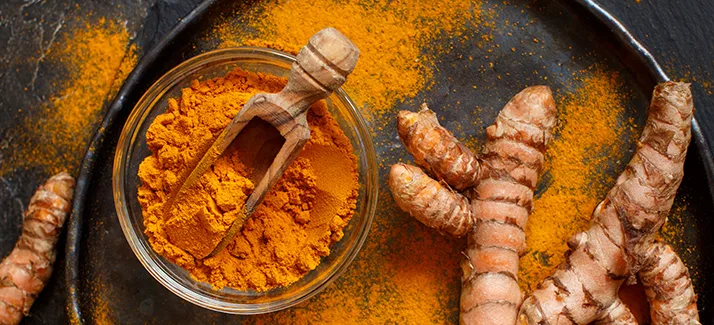
Curcumin which is extracted from turmeric is the bright yellow chemical produced and also found in mustard, yellow peppers and corn.
Effects: Anticancer and anti Alzheimers effects and research has suggested it may also help control blood sugar, lower cholesterol and ease symptoms of inflammatory bowel disorders.
curcuminboids are a natural phenol responsible for the yellow colour.
It also helpful in plantbased diets because it stimulates enzymes that help to convert the omega 3 fat (ALA found in flaxseed, vegetable oils and nuts) into useful long chain omaega 3 fats (DHA found in oily fish)
Watch the accompanying video ↗
Watch the accompanying video ↗
Articles:
Curcumin May Reverse Memory Problems, Improve Mood
Research:
Curcumin: A Review of Its’ Effects on Human Health
Therapeutic potential of curcumin in gastrointestinal diseases.
An update on Curcuma as a functional food in the control of cancer and inflammation.
Curcumin and its formulations: potential anti-cancer agents.
Anticancer potential of curcumin: preclinical and clinical studies.
The effect of curcumin (turmeric) on Alzheimer's disease: An overview