Coenzyme q10 or CoQ10 a vital antioxidant to fight carcinogens and recycle Vitamin E
Ability to improve cell oxygen use. By controlling the oxygen flow it makes production of energy efficient.
Coenzyme Q10 / CoQ10 Foods
Foods found in:
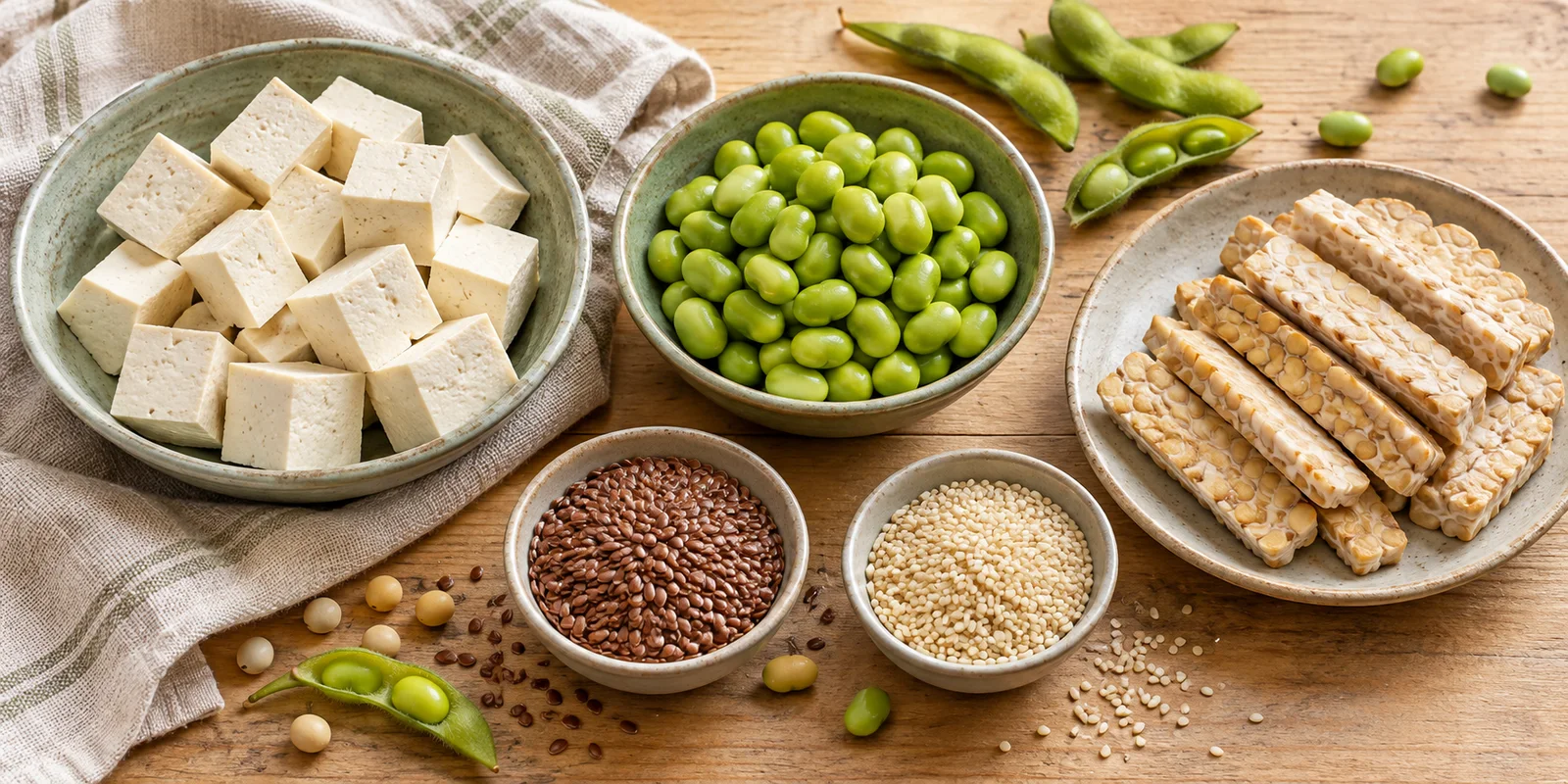
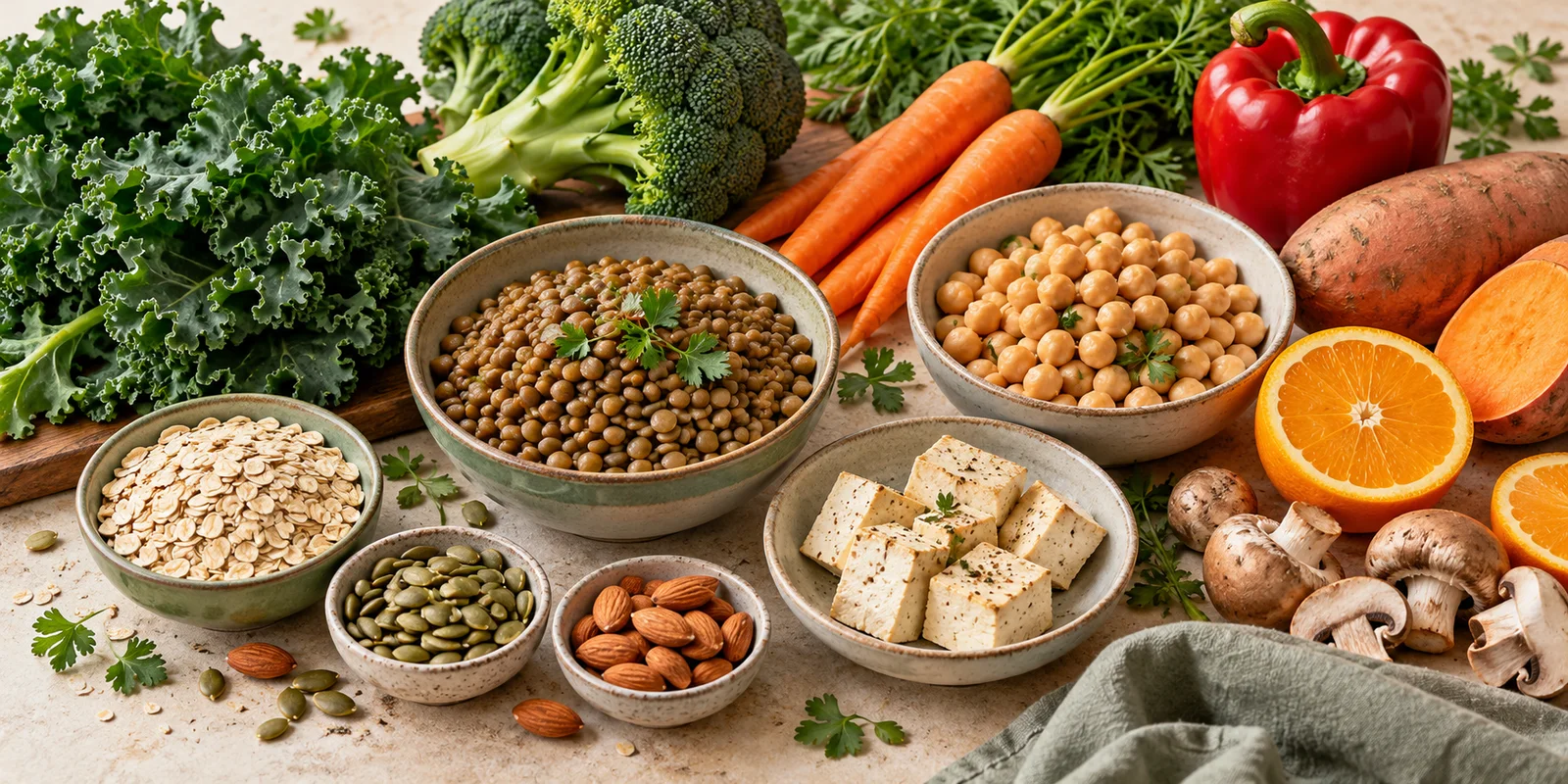
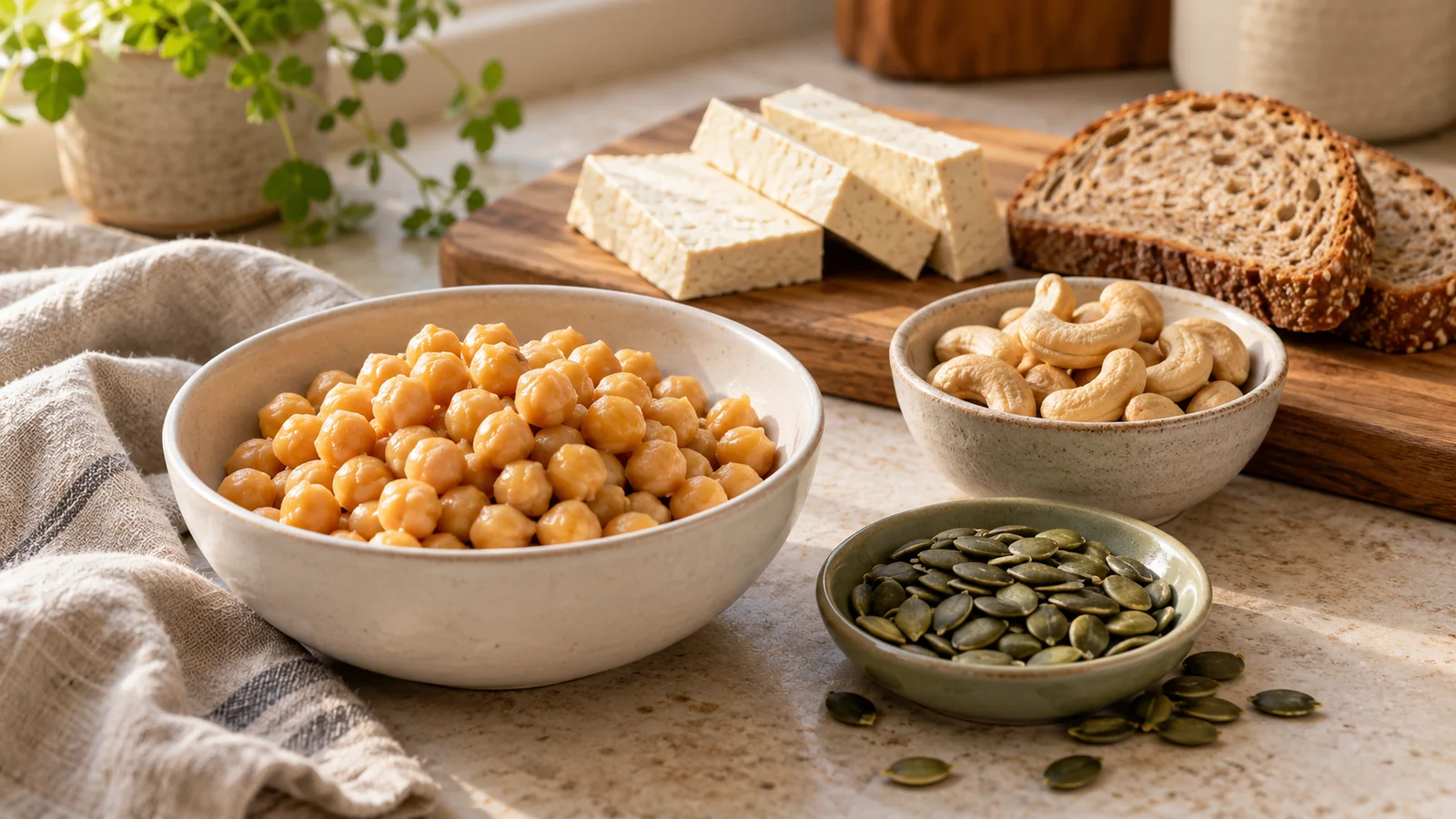
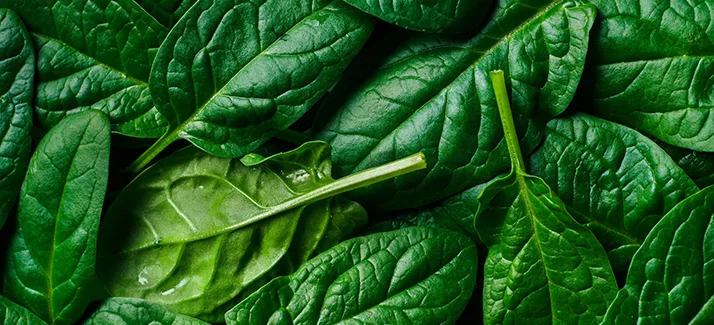
Higher Levels: spinach, broccoli, sesame seeds, dark leafy greens, nuts, soya beans, avocado, peanuts, pistachios, walnuts, sesame seeds, hazelnuts
Lower Levels: Garlic, peas, cauliflower, asparagus, carrots
With exception of avocado, fruit is a poor natural source for CoQ10
Research
Beneficial effects of creatine, CoQ10, and lipoic acid in mitochondrial disorders
Coenzyme Q10: The essential nutrient
Coenzyme Q10 Supplementation in Aging and Disease
The Paradox of Coenzyme Q10 in Aging.
Coenzyme Q10 deficiencies: pathways in yeast and humans.
Coenzyme Q biosynthesis in health and disease.
Coenzyme Q, oxidative stress and aging.
Coenzyme Q10 and α-tocopherol reversed age-associated functional impairments in mice.