Polyphenols are part of the reason an apple, a bowl of berries and a cup of tea are interesting foods to study. They are a large group of compounds made by plants, and they turn up in many familiar ingredients. Flavonoids, lignans and resveratrol all belong within this wider group. [16]
You may have seen them described as antioxidants or advertised in supplements. I would start with the food: what do these compounds do, where can you find them, and how much of the research can help you decide what to eat? There is plenty to explore without turning every meal into a chemistry calculation.
What are polyphenols?
Polyphenols are one group of phytochemicals, the name used for compounds produced by plants. In nutrition writing, phytochemicals usually means substances beyond essential nutrients such as vitamins and minerals. They can have biological effects, but they do not all come with an established daily requirement. [1]
Antioxidant describes an activity, rather than a separate ingredient family. Some polyphenols can interact with reactive molecules in laboratory tests. Researchers also study their effects on cell signalling and the body's own protective systems. Their actions are more complicated than a food simply scrubbing away damage. The older reviews by Pandey and Rizvi, and Urquiaga and Leighton, explain how this research developed. [2] [11]
If the names feel confusing, the phytonutrients and phytochemicals guide explains the wider picture. You can use these names as routes into topics that interest you, without needing to learn them all before changing your food.
What are the main types of polyphenols?
The main groups commonly discussed are flavonoids, phenolic acids, lignans and stilbenes. Resveratrol is a stilbene. Flavonoids have several subgroups of their own, so you may see a food described using more than one of these names. [16]
| Group | Examples and foods |
|---|---|
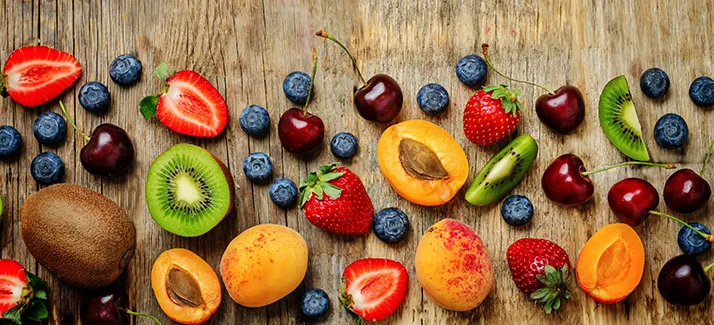
| Flavonoids | Quercetin in onions and apples; catechins in tea and cocoa; anthocyanins in berries. [3] |
| Phenolic acids | A group found in foods including coffee, cereals and fruit. [16] |
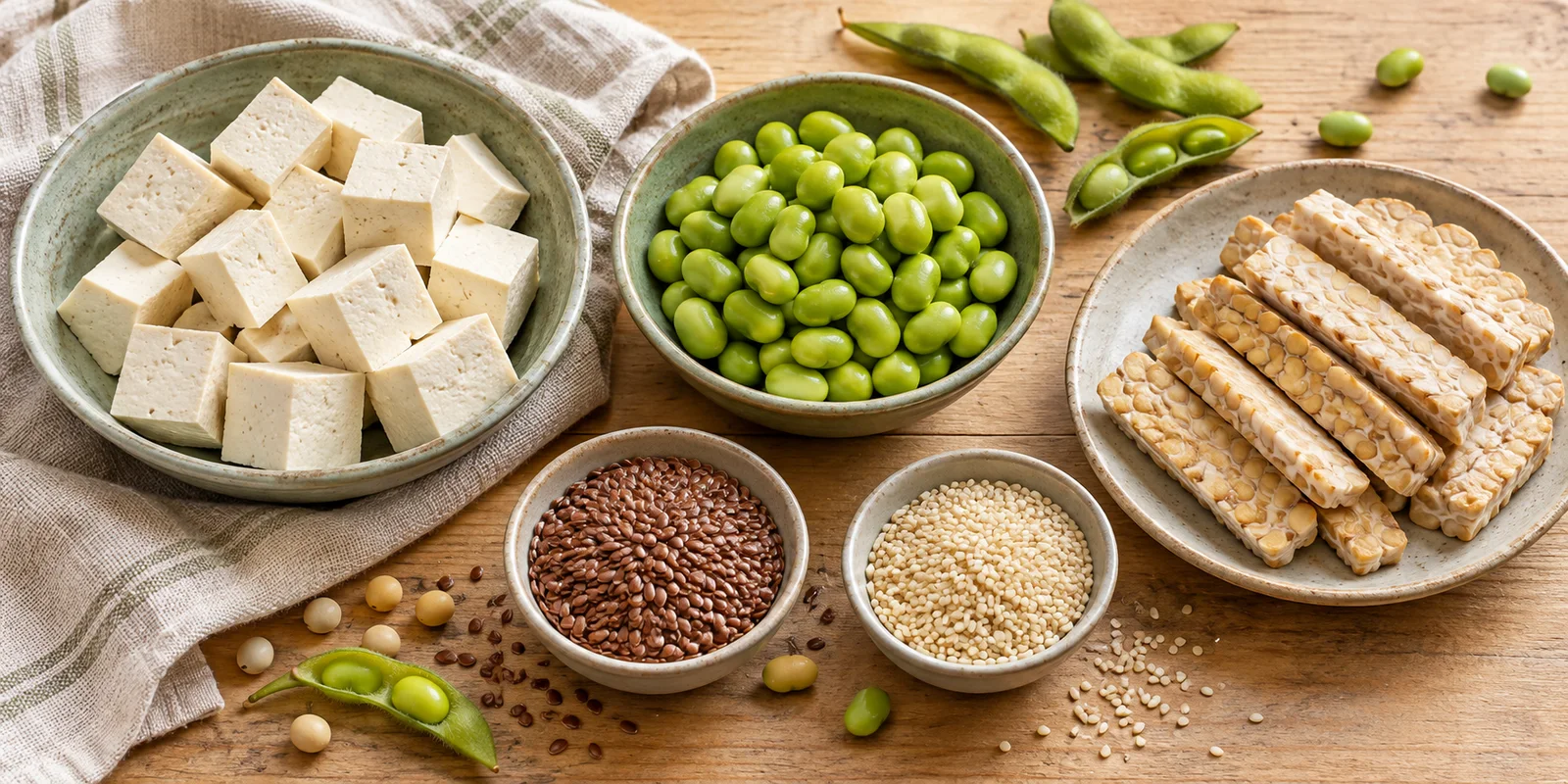
| Lignans | Flaxseed and sesame seeds, with smaller contributions from whole grains, pulses and other plants. [4] |
| Stilbenes | Resveratrol in grape skins, peanuts and some berries. [5] |
Which flavonoid names might I come across?
These are useful names to recognise when you read about a particular food. Their presence tells you something about its chemistry; it does not establish a treatment effect. [3]
| Subgroup | Food examples |
|---|---|
| Anthocyanins | Red, blue and purple berries and grapes. |
| Flavan-3-ols, including catechins | Tea, cocoa, apples and grapes. |
| Proanthocyanidins | Apples, berries and cocoa. |
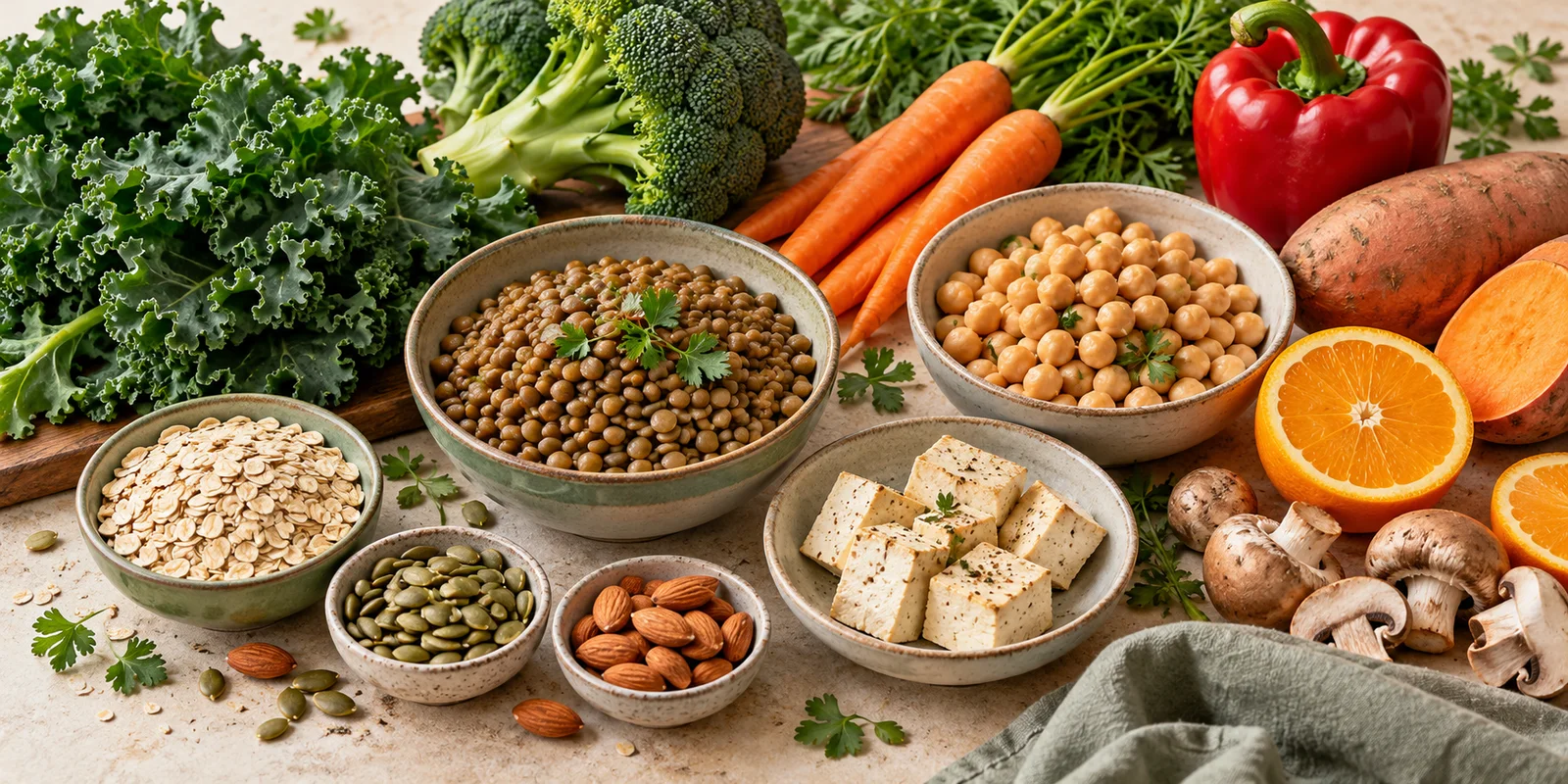
| Flavonols, including quercetin | Onions, kale, broccoli and apples. |
| Flavones | Parsley, thyme and celery. |
| Flavanones | Citrus fruit, including oranges and lemons. |
| Isoflavones | Soya beans and soya foods. |
Food examples are drawn from the Linus Pauling Institute's flavonoid reference. [3] Some linked Plantfullness guides are older and still await review; the sources beside the explanations here support this article.
What does research say about polyphenols and health?
There are encouraging findings, although different kinds of studies answer different questions. A laboratory experiment can explore how a compound affects cells. A study following people's diets can look for patterns in health. A randomised trial can test a particular food or preparation against a comparison group. The results need to be read with those differences in mind. [6] [7]
What can a long-term food study tell us?
Bondonno and colleagues followed 56,048 adults in the Danish Diet, Cancer and Health cohort for up to 23 years. Higher estimated flavonoid intake was associated with lower death rates from all causes, cardiovascular disease and cancer. Food intake was assessed at the start, so changes during follow-up could not be fully captured. [6]
The researchers make the limitation clear:
“we are not able to infer causality.”
Bondonno and colleagues, Nature Communications (2019) [6]
People eating more flavonoid-containing foods may differ in other ways too. This is a reason to be interested in those foods, while avoiding a promise that a particular compound will make someone live longer. [6]
What happened when cocoa flavanols were tested?
The COSMOS trial tested a cocoa extract providing 500 mg of flavanols daily against placebo in 21,442 older US adults. Over a median of 3.6 years, it did not significantly reduce the main outcome, a combined measure of cardiovascular events. Deaths from cardiovascular disease were lower in a secondary analysis, a finding the authors said needed further investigation. [7]
“Cocoa extract supplementation did not significantly reduce total cardiovascular events among older adults”
Sesso and colleagues, American Journal of Clinical Nutrition (2022) [7]
The trial tested an extract, so its results cannot be assumed for chocolate. I would enjoy cocoa for its flavour, perhaps stirred into porridge, without expecting it to reproduce a supplement trial. [7]
How do polyphenols interact with your gut?
Digestion changes these compounds. Some are absorbed after processing in the intestine and liver; others reach the large intestine, where gut microbes help break them into smaller substances called metabolites. The compounds circulating in your body can therefore differ from those in the original food. [8]
Cassidy and Minihane's review explains why people can respond differently to the same flavonoid intake. The food, its chemical forms and an individual's gut microbes all influence what becomes available to the body. This is called bioavailability. A large amount measured in a food does not automatically mean a large effect in a person. [8]
The earlier chapter Polyphenols and Intestinal Health explores this relationship too. Its publisher's abstract describes microbial processing and possible prebiotic effects, meaning effects that may support helpful gut microbes. That is an area of research, rather than proof that a specific polyphenol product will resolve digestive symptoms. [10]
Can polyphenols help protect muscle?
A 2021 review by Nikawa and colleagues examines polyphenols and muscle atrophy, which means loss of muscle mass and strength. It discusses pathways involving inflammation, oxidative stress and energy production, drawing on laboratory and animal research as well as other evidence. It offers ideas to investigate, rather than a tested food routine that prevents muscle loss in everyone. [9]
I would keep this alongside the broader question of eating enough and including protein in meals. If that is something you are working on, the plant-based protein guide gives everyday food ideas. A paper about a promising compound does not provide a complete meal plan.
Does resveratrol deserve all the attention?
Resveratrol is interesting, but its reputation can run ahead of the evidence. Researchers study its effects on cell signalling, blood vessels and ageing. Findings in cells and animals do not establish that supplements prevent cancer or extend human life. The amount and form used in an experiment also matter. [5]
Grapes, berries and peanuts offer alcohol-free sources of resveratrol. You do not need wine to include it. I would keep a varied shopping basket, with room for foods containing other polyphenols too. [5]
How can I include more variety in everyday meals?
Start with what you already enjoy. If porridge is a regular breakfast, try berries one day and chopped apple another. If your usual soup uses a small selection of vegetables, choose an extra ingredient and plan where the rest will go later in the week.
- Add berries or sliced fruit to breakfast.
- Use onions and herbs in a bean soup or stew.
- Try tofu in a familiar stir-fry or curry.
- Sprinkle ground flaxseed over porridge, or use sesame seeds in a dressing.
- Enjoy tea if it suits you, without feeling you have to start drinking it.
These are meal suggestions using foods from the groups above, rather than recipes with calculated polyphenol doses. I enjoy noticing how many different plants have made it into a day's meals. Planning helps me use that interest: choose something you like, add it to the shopping list and decide when you will use it.
Dr Michael Greger's NutritionFacts.org has a polyphenols topic page for further exploration. I use it as a route into food questions and the studies behind them. Its educational summaries need to be read alongside the original research, especially when a claim concerns cancer, weight or longevity. [12]
Do foods need to be raw, fresh or organic?
Food preparation can change flavonoid content and availability, with effects varying by food and method. There is no single preparation rule that gives the best result for every compound. [8] You can enjoy cooked meals alongside salads and fruit. I would not let the search for a perfect method make dinner harder.
Frozen and tinned fruit and vegetables can count towards your five a day. That does not mean their polyphenol content is identical to fresh produce, but it does give you practical options. [14] Frozen berries, tinned pulses and vegetables you will actually use can be useful starting points.
I personally like choosing organic, but the cost should never stop you making a change. Use what fits your budget. An affordable meal you enjoy and can make again is a better starting point than a shopping list that feels out of reach.
Do I need a polyphenol supplement?
I would start with food and be careful about concentrated-product claims. Results for one flavanol preparation cannot establish benefits for every polyphenol product. Resveratrol supplements also lack an established safe and effective dose for long-term disease prevention. [7] [5]
Concentrated extracts have their own safety questions. Uncommon liver injuries have been reported with green tea products, mainly tablet or capsule extracts, and green tea can interact with medicines. Ask a pharmacist about a product if you take medication, rather than assuming natural means suitable for you. [13]
A few more practical questions
Should I aim for a particular number of milligrams?
A figure used in a study is not automatically a personal daily target. Polyphenols include many compounds, and foods contain mixtures. There is no established requirement covering this whole group in the way there is for essential nutrients. [1] Start with variety and the overall balance of your meals; the balanced plant-based diet guide can help bring that together.
What if I am trying to improve my iron intake?
Tea and coffee can reduce iron absorption when taken with meals. The Vegan Society suggests having them outside meal times, and including vitamin C-containing foods alongside iron sources. [15] The iron guide explains how to make those combinations work without removing a whole group of plant foods.
Where can I keep learning?
Follow a food or compound that interests you, then ask what the study actually tested. Was it a usual serving of food, a concentrated extract, an animal experiment or a trial in people? Keep that question beside the headline. The research links below include the earlier reviews as well as the newer studies discussed here.
Earlier accompanying video on YouTube. This viewing link is retained from the original article; the video has not been assessed for this revision and is not used to support the advice above.